Maria la Gorda
It is a legendary diving destination located in the real west of Cuba, about 300km away from Havana, in the Bahía de Corrientes Bay (Pinar del Rio Province). According to the ancient legend, once there was Caribbean pirates’ base, and pretty Maria was their host and attendant - she cooked, served drinks, treated slashes got in fighting, consoled the gloomy... As she allegedly was a bit fat, she was called Fat Mary - Maria la Gorda. When she died, she was buried by pirates under the tallest palm in the bay - and as proof of gratitude they put a magnificent pirate treasure in the grave with her body. Although there were a lot of attempts, the treasure hasn’t yet been found. Who knows - it may wait for you...
And even if you haven’t found the pirate treasure, it isn’t necessary to feel desperate - the Guanahacabibes Peninsula itself is one of the greatest natural treasures in Cuba. The whole area of over 50 000ha is part of the national park with the same name which was in 1987 designated as a UNESCO world biosphere reserve. The coral world below the water surface and intact countryside around the coast are one (after Jardines de la Reina and Cayo Largo) of the most beautiful areas you can see in Cuba.
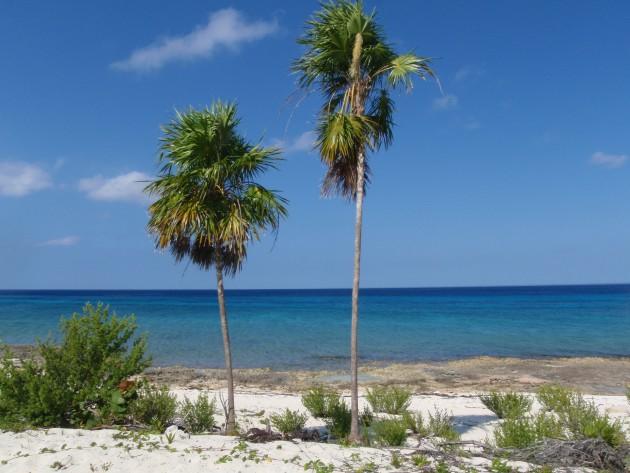
 | A small diving resort called Maria la Gorda is not one of pompous luxury tourist centres but in spite of this - or rather because of this - it is a popular oasis of peace and quiet in the uninhabited and intact countryside. |  |
 | Maria la GordaA small diving resort called Maria la Gorda is located directly on one of the local beaches. It contains 38 bungalows, two restaurants, reception and diving base. The double rooms are equipped modestly but cleanly and sufficiently. Each room has its own sanitary facilities, TV, air-conditioning, minibar and safe box. | 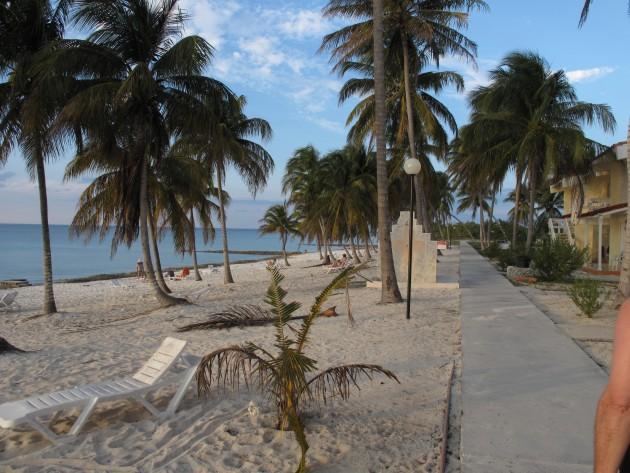 |
| Breakfast and dinner are served in the restaurant on the beach as buffet. Besides the beach restaurant, there is bar-restaurant "la carta" for guests. It is not possible to pay with cards there; and as no ATM is available far and wide, we recommend bringing a sufficient amount of cash for the holiday in Maria la Gorda. " | 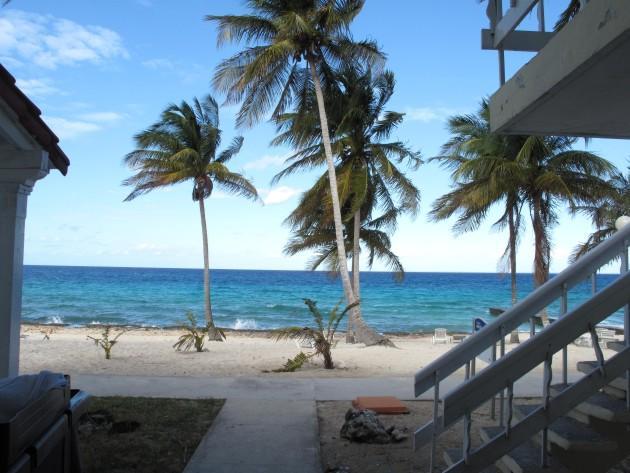 |
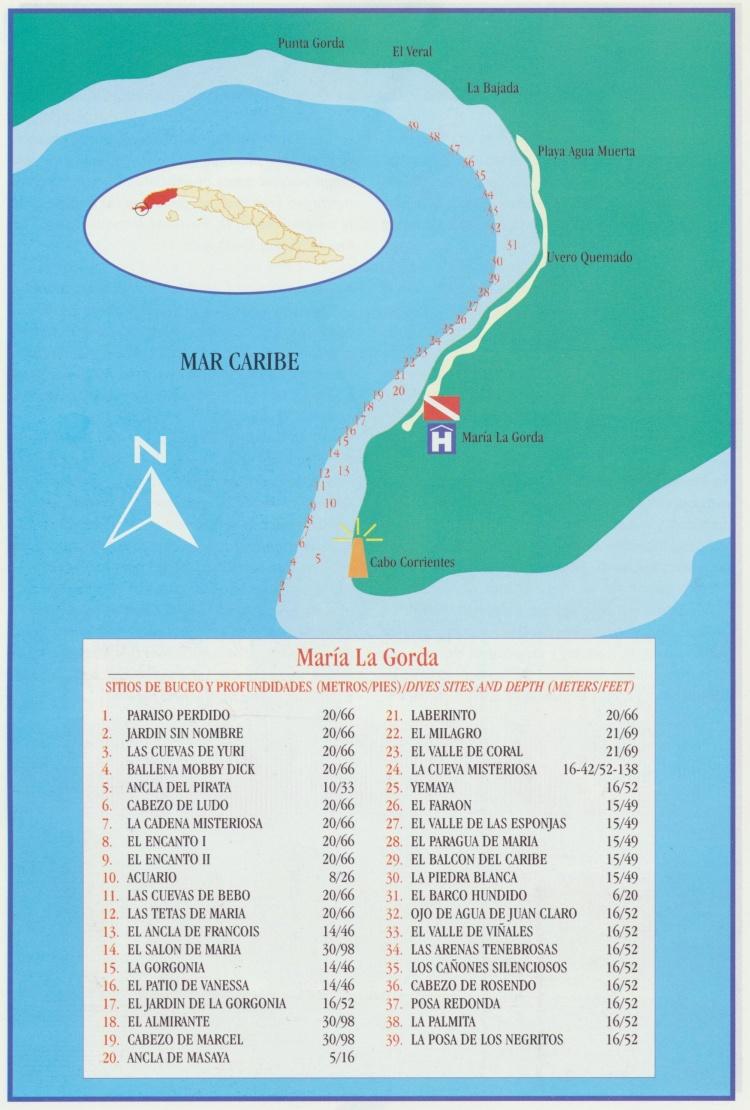
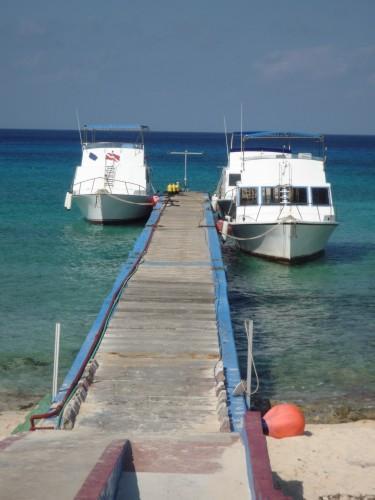 | The diving base is relatively well equipped compared with the local situation. Dives are usually organized three times a day, by ship, directly from the base pier. The schedule of dives is quite simple - it is okay to sign on at the dive centre one day in advance. A majority of more than fifty localities are reachable up to twenty-minute cruise.. |  |
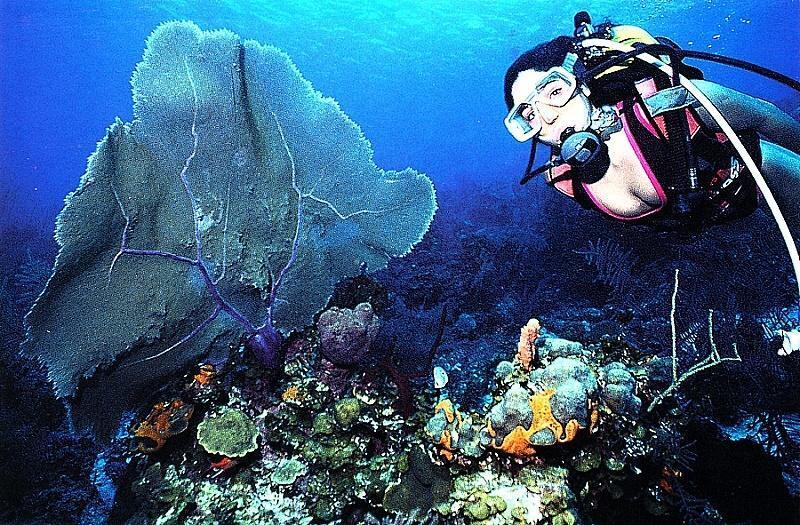
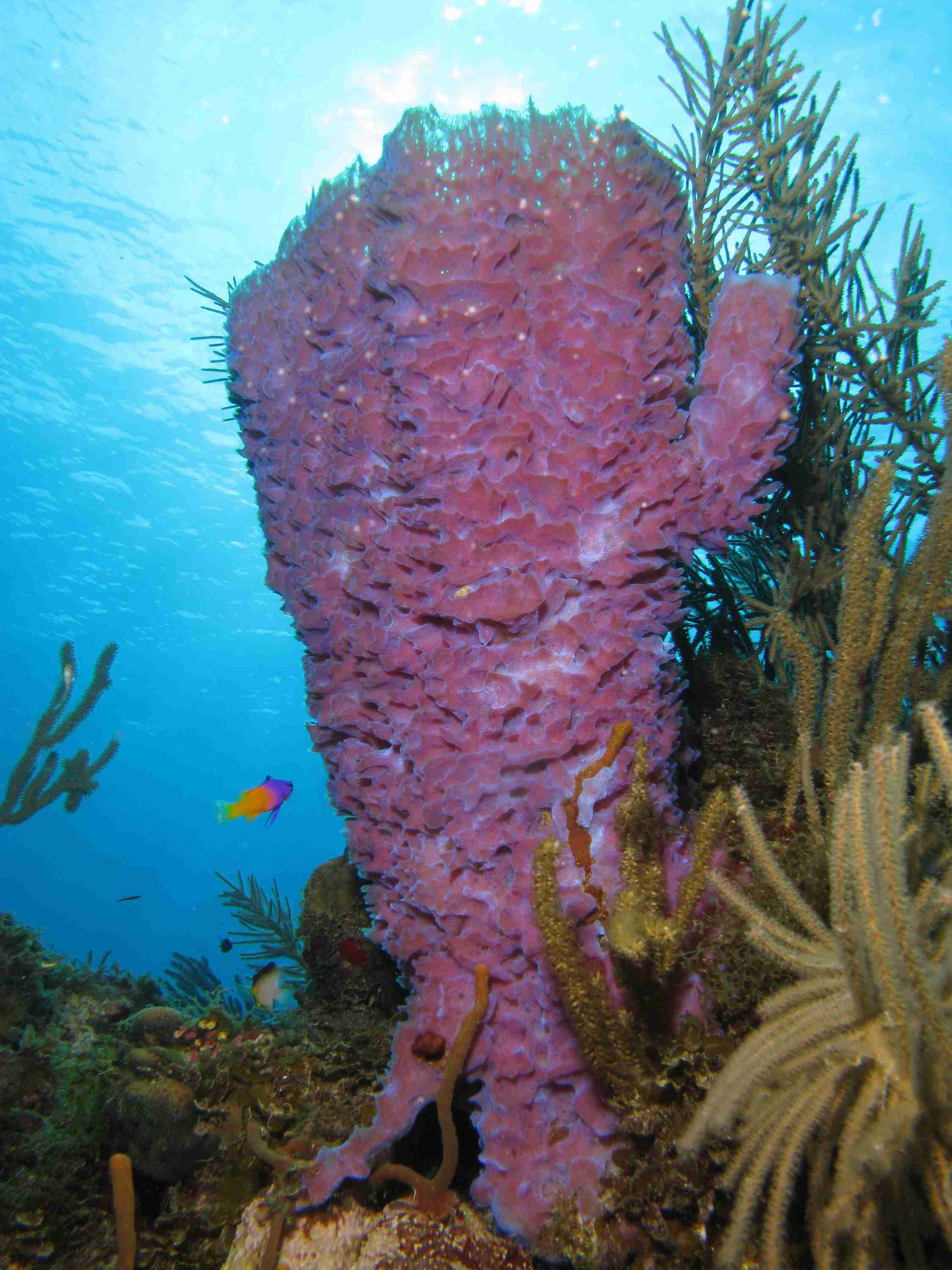 | The coral reefs in the area of Maria la Gorda - Ensenada de Corrientes - are one the most protected biotopes in Cuba. From the depth of 5m you can watch individual reef formations with rich fauna containing more than twenty coral species (particularly gorgonian) and plenty of tiny and medium coral fish; it is often possible to watch lobsters, crabs and green morays in rocky holes. | 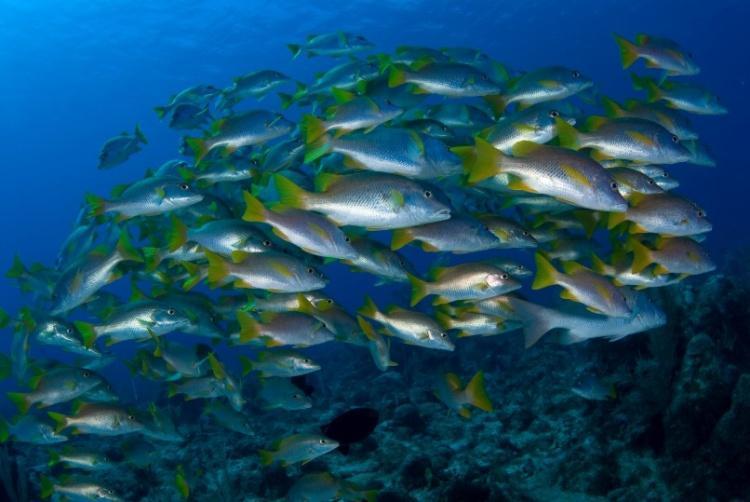 |
 |
With an increasing depth, the individual coral blocks form chains creating peculiar formations - walls and mountain ranges with channels, tunnels and canals. Maria la Gorda | 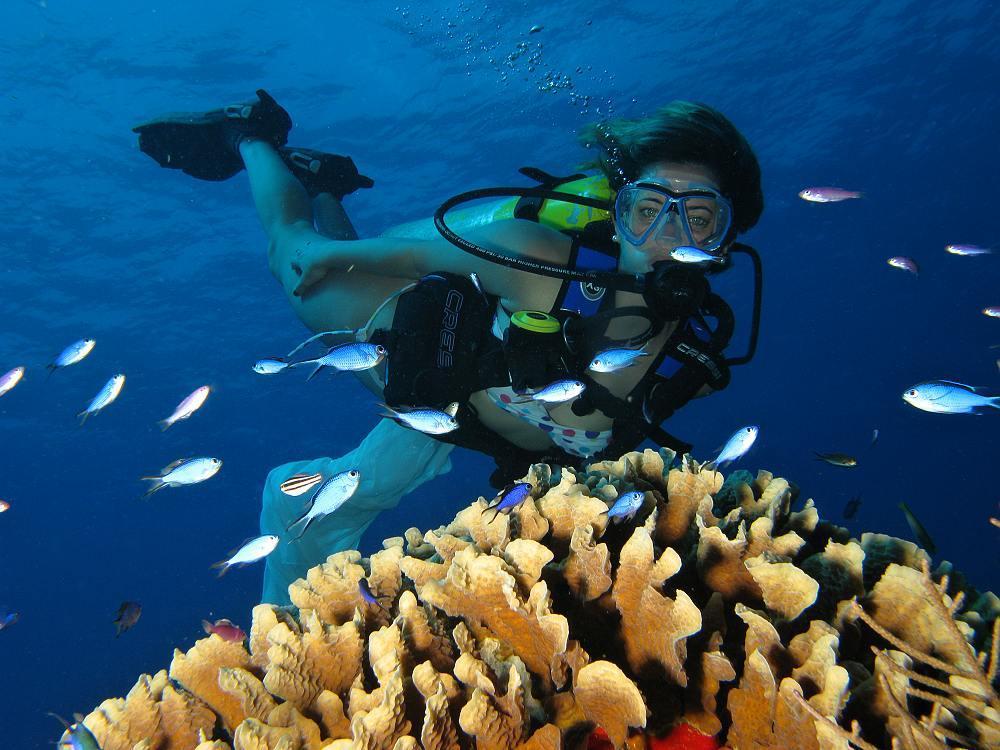 |
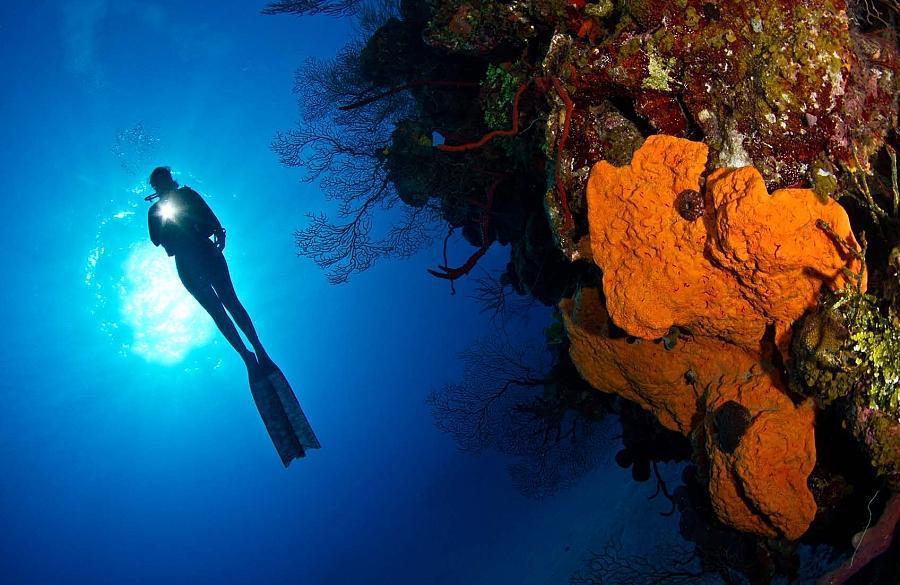
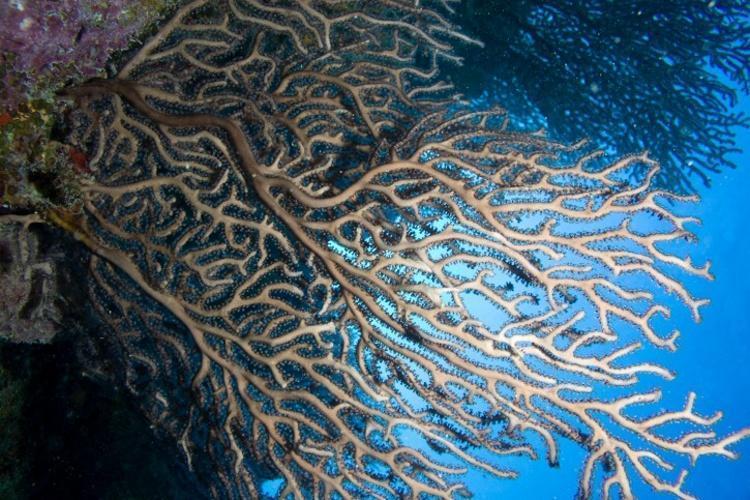 | The local coral walls are richly decorated with structures very attractive for divers - canyons, holes and vertical caves in which you can watch wonderful colonies of black coral, large pillow or pipe sponge, and up to 2m-long gorgonian. |  |
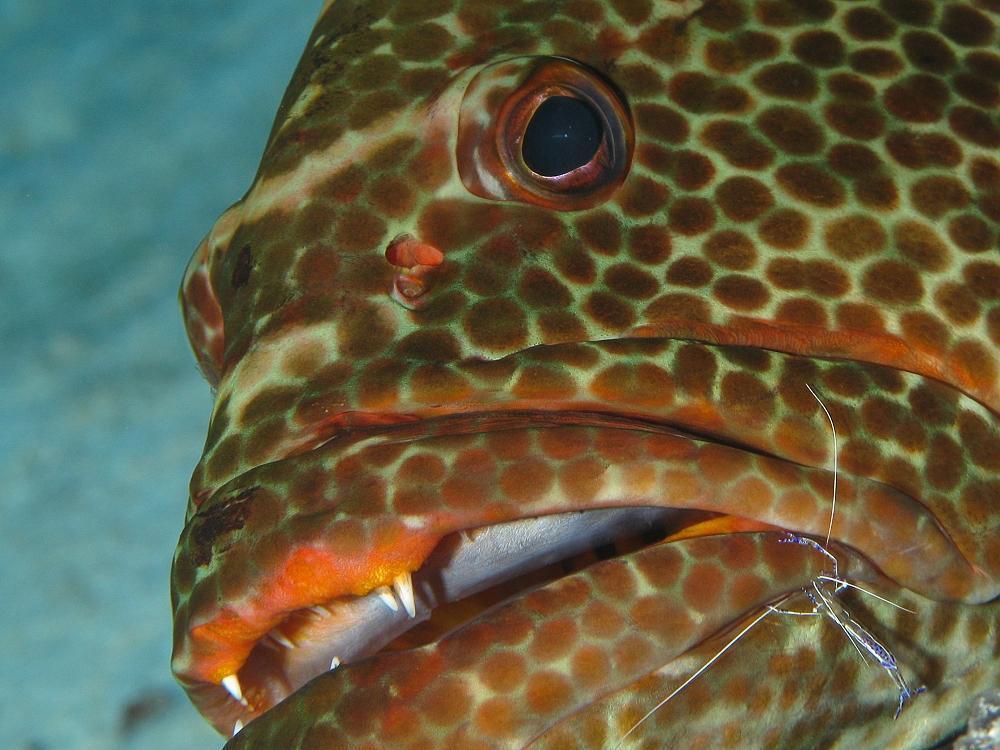 |
As regards the fish swimming around the walls, we often see barracuda, various species of horse mackerel, snapper, grouper and ray. The number of shark is considerably lower there compared with that in Jardines de la Reina, but you can also see there nurse shark... and occasionally - when being lucky - whale shark. Photo gallery of Maria la Gorda | 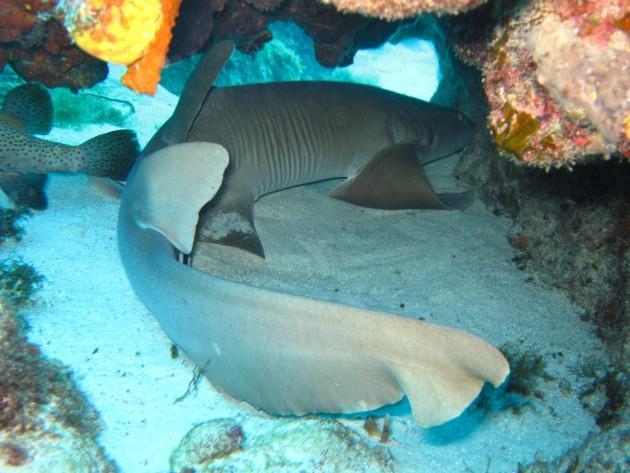 |
Maria la Gorda is a classic Cuban locality, proved by years and years of diving. Through its position away from civilization - the sea on one side and jungle on the other side - it provides a chance of romantic holidays full of diving experiences. In view of the fact that, except for diving and relaxing on the beach, there is de facto "nothing to do", the destination is not very suitable for divers with non-diver family members.
Guided trips :
The price from 1,150 euro includes two nights at a hotel in Havana with breakfast, transfer from Havana, 7 days of accommodation in a double room in the Maria la Gorda resort with a half board, 10 dives, and transfer back to Havana (the prices are in force from 01-01-2017 until further notice, min. 9 divers).
For individual travellers (without guide) :
On-line BOOKING DIVING MARIA la GORDA (10 dives=260 EURO) BOOK YOUR HOTEL (from 42 EURO p.p.)
CAYO LARGO
Once Caribbean pirates’ base, now a place for wonderful diving holidays in the heart of the Caribbean
The tiny island Cayo Largo is situated in the Canarreos Archipelago, approximately 50 miles south of the Cuban coast. Once it served as Caribbean pirates’ base; from the 1980s it was also a symbol of a luxury exotic holiday in the Caribbean. In November 2001 it was heavily affected by Hurricane Michelle, and it was recovering from the disaster for a very long time and with big difficulty: two hotels were not restored at all, the others only after ten years with foreign investors’ participation. Now it is an ideal place for lovers of diving, fishing and other sea activities who like the base of high-quality all-inclusive hotel resorts. In fact, it is very difficult to imagine anything better for a family diving holiday.
The diving localities are situated in three areas: the first very close to the island (south and south-west of it), the second near Cayo Rosario (28km west of Cayo Largo), and third - probably the most beautiful - in the area Golfo de Gazones between the small islands Cayo Sigua and Cayo Blanco (48km on the north).
 | The first diving area is situated very close to the island (south and south-west of it), and its characteristics include barrier-type reefs and coral ridges and tunnels which often change to sand slopes in a depth about 18m. In some areas, the coral formations create real undersea mountain ranges and walls falling to a depth of about 50m and even more. | 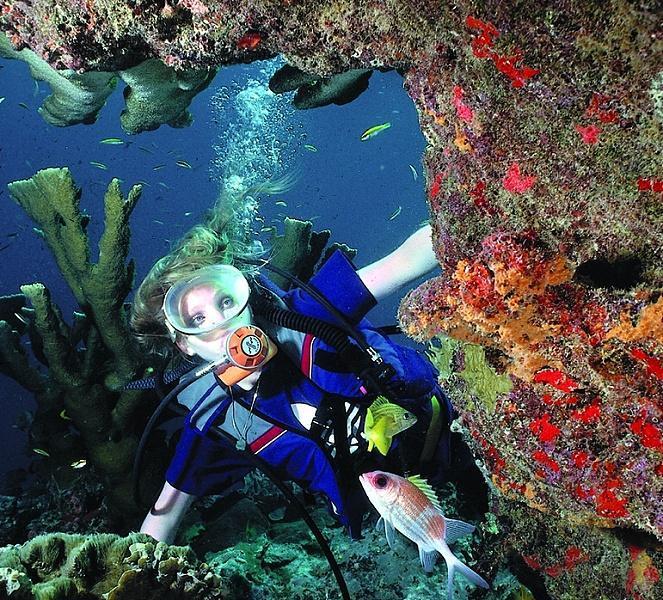 | ||
| Cayo LargoCoral reef fish are represented there by schools of grunt and snapper 15-90cm long, surgeonfish, damselfish and many others. It is also possible to see there tortoise, tarpon, ray and eagle ray (see the picture). | 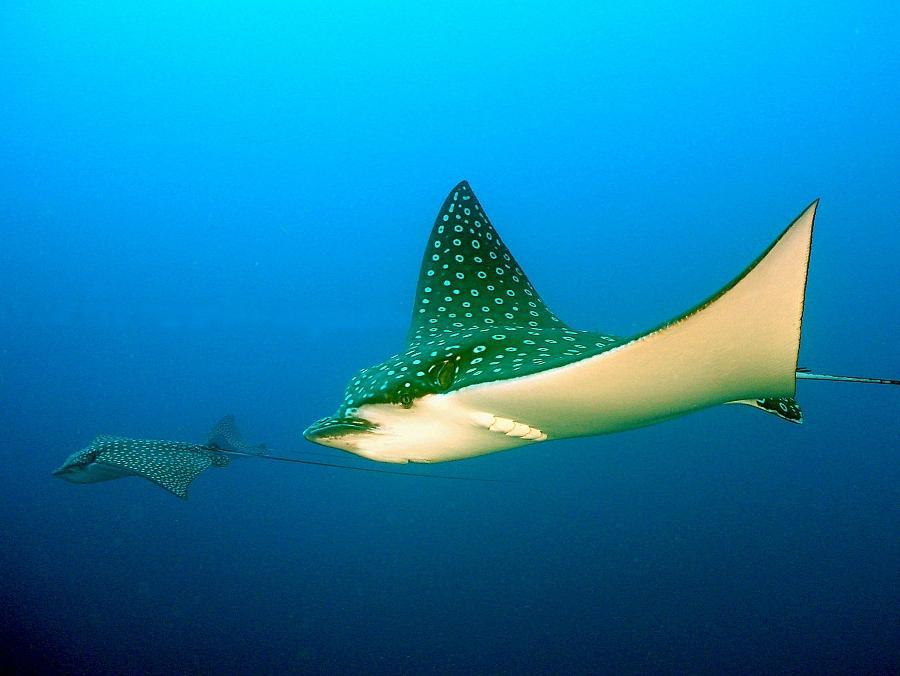 | ||
 | In coral hides there are plenty of rock lobster, various species of moray (attention, some of them are aggressive!), on sand areas of the bottom you can find colonies of queen conch (Strombus giga) - attention, it is an internationally protected fish, don’t take it (the possibility of really big difficulties in custom clearance, unexpectedly we got in trouble in the Prague Airport!!!). | 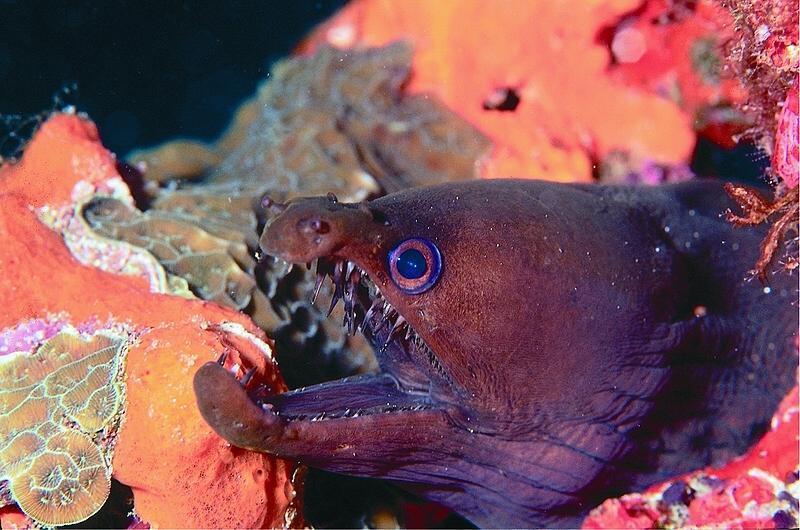 | ||
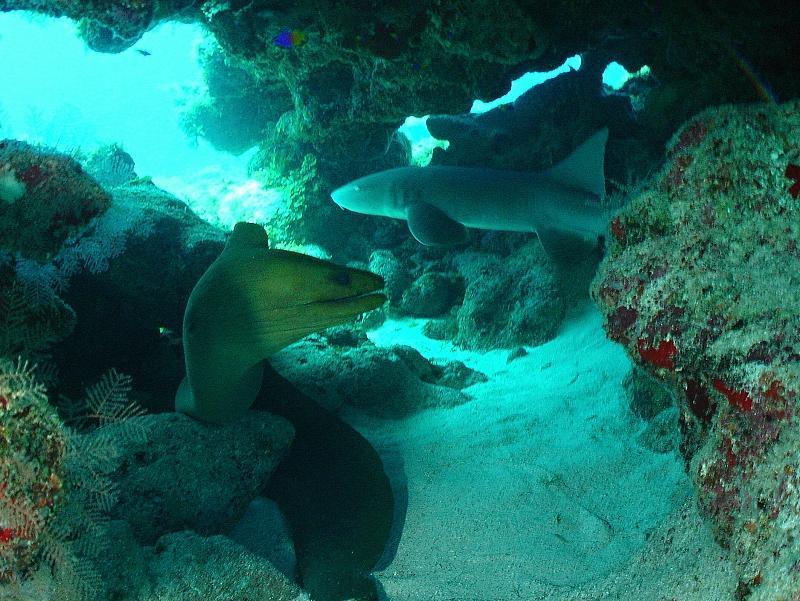 | The second diving area is situated very close to Cayo Rosario, 29km west of Cayo Largo. The bottom relief is very interesting there; it creates real coral labyrinths in which you can find large black grouper, snapper, schools of horse mackerel, spadefish and often also nurse shark. | 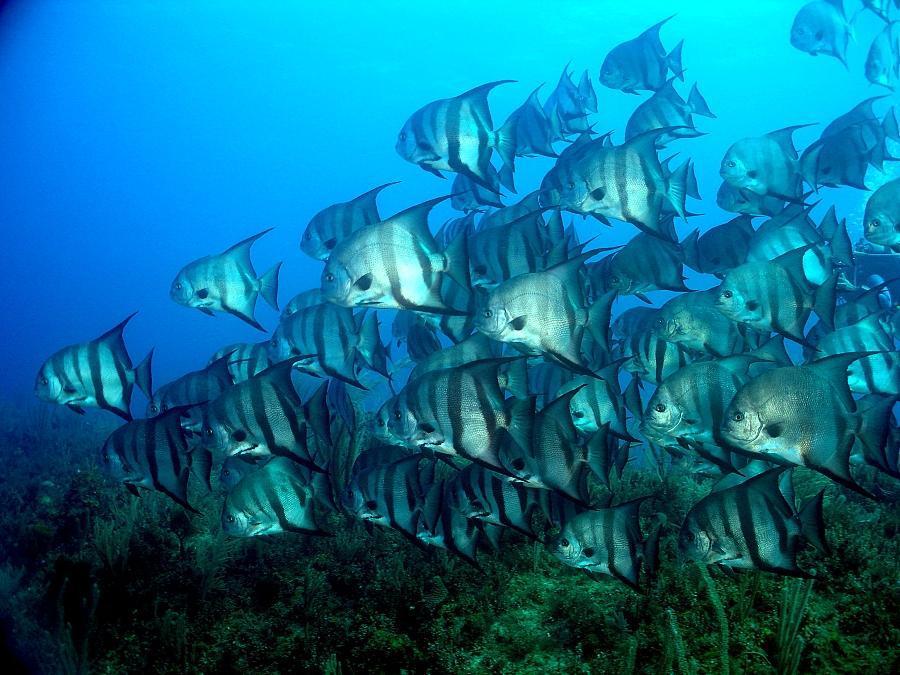 | ||
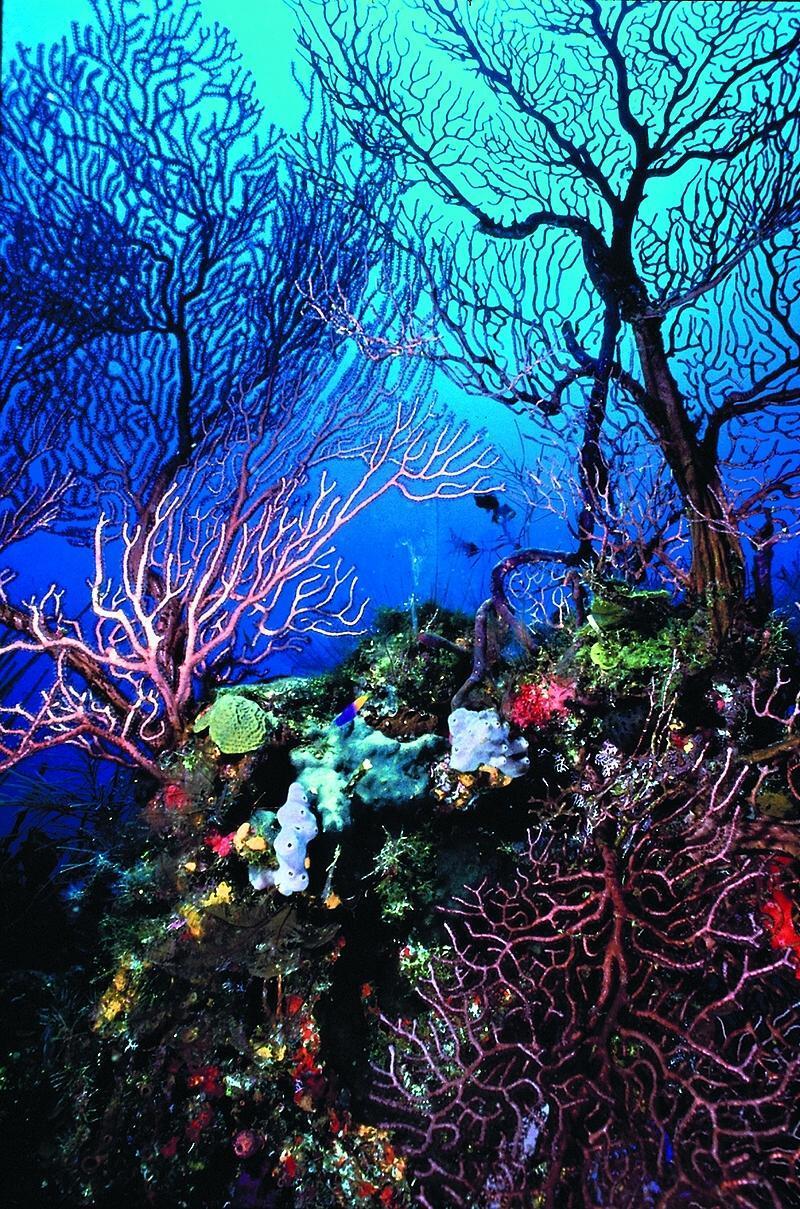 | The third diving area is situated in Golfo de Gazones, 48km north-east of Cayo Largo, between the small islands Cayo Sigua and Cayos Blancos. Practically all localities contain beautiful walls falling from 15m (reef top) to a depth of 200m and more. The walls are covered with large sponge, big gorgonian and often also black coral. | | ||
| Besides classic coral communities, it is possible to see there large pelagic fish - tarpon and tuna fish; if we are lucky, we can see Caribbean reef shark, hammerhead shark and whale shark. Cayo Sigua and Cayo Blanco are less than one meter above the water surface so it is not possible to hide anywhere when the sea is stormy. That is why a trip to these localities is only possible when the weather is excellent. | 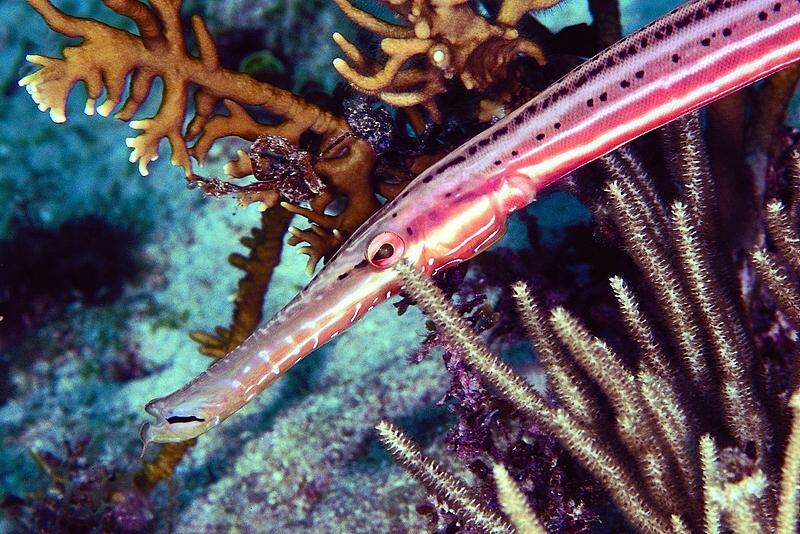 | ||
Cayo Largo offers a fabulous combination of diving and relaxation on the local well-known beaches (Playa Sirena, Playa Paraiso, Playa Blanca, and Los Cocos & Tortuga) where you can enjoy surfing on waves, windsurfing, gliding, beach volleyball or small football. | 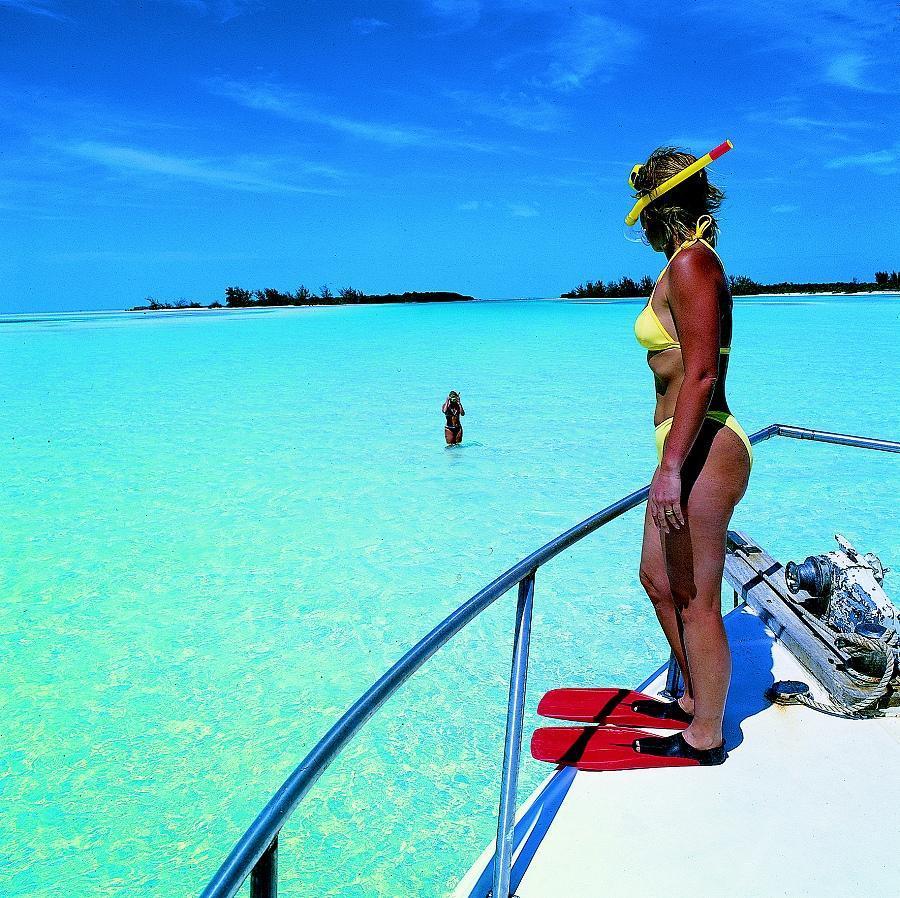 | |||
It is always possible to moisten a dry throat with cooled beer or some of the classic Cuban drinks... | It is always possible to moisten a dry throat with cooled beer or some of the classic Cuban drinks... | |||
| PHOTOGALLERY CAYO LARGO UW | PHOTOGALLERY CAYO LARGO |
Nowadays Cayo Largo with its wounderful beaches and hotels is the place for a fabulous family diving holiday (with childrens) in the heart of the Caribbean.
On-line BOOKING DIVING CAYO LARGO (10 dives = 381 EURO) BOOK YOUR HOTEL from 52 EURO p.p.
JARDINES de la REINA
the best & easy
JARDINES de la REINA
Jardines de la Reina is the name of an archipelago lying 50 miles south of Cuba and 80 miles north of the Cayman Islands. The name means Queen’s gardens and was invented by Christopher Columbus who discovered them in 1492 and named them in honour of the Queen of Spain, Isabella of Castile. The archipelago, which is sometimes called as THE GALAPAGOS OF THE CARIBBEAN, is composed of 230 small isles, and is about 150 miles long. In 1996, a marine reserve was established there, and now it is the most extensive protected area in the Caribbean Sea. The area is entirely closed - zero number of permanent population, commercial fishing prohibited, only one base allowed, entry only with a special permit, and strictly limited number of visitors. Detailed information about the base, accommodation possibilities and the AVALON fleet is available HERE.
As the area is closed, we can see the Caribbean as it was during Christopher Columbus times: undamaged reefs full of life and no other divers far and wide, just you and the sea. We can safely enjoy there, from very close range, 15-30m deep, Caribbean reef shark 1.5-3m long, close to the surface their somewhat bigger relatives, silky shark, and those who are lucky may run into whale sharks 7-12m long.
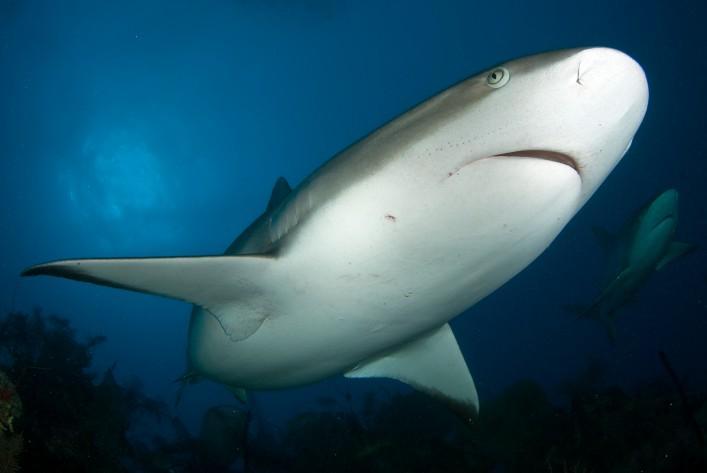 | Caribbean reef shark, also called Peréz shark (Carcharhinus perezi). These beautiful creatures reach a length up to 3m and a weight up to 60kg. When diving, we can normally be 50cm from it or closer, so we can watch its ocular membranes (similar to our eyelids) with which it protects its eyes at the moment of attacking its fish victim. It apparently looks as if it closes its eyes as a gourmet when eating. | 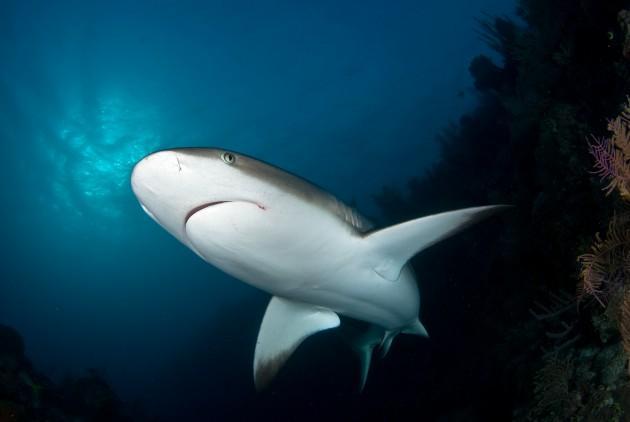 |
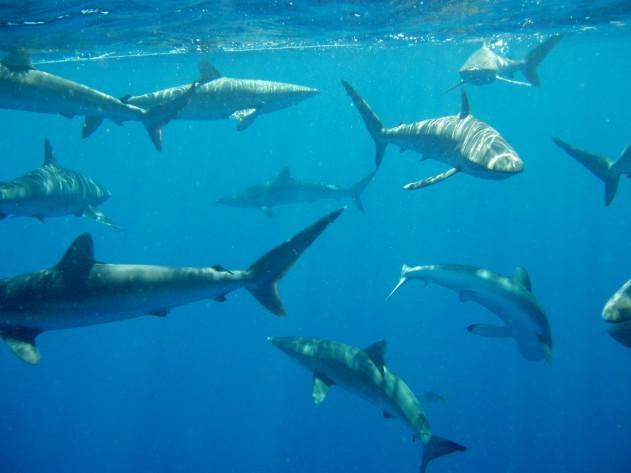 | The second most frequent shark in Jardines de la Reina is silky shark (Carcharhinus falciformis). Unlike Caribbean reef shark, it prefers areas close to the water surface so we most often meet it at the beginning and end of diving, so it makes our safety breaks more enjoyable (and nobody wants to put an end to them). | |
| | Whale shark (Rhincodon typus) is the biggest currently living species of shark. It reaches an average length about seven meters, and lives on plankton and small fish. Whale shark travels in the Jardines de la Reina Archipelago in the summer season and in the tern of November and December. | |
 | The biggest creature so far seen in the Jardines de la Reina Archipelago was a 10m-long young sperm whale (Physeter sp.) waiting on the surface for its parents. Adult sperm whale - as it is known - dive for food (giant octopus) down to kilometre depths, and they can survive without breathing for 45 minutes. | |
| | Nurse shark (Ginglymostoma cirratum) is a night predator so when diving during a day we meet it mostly asleep and hidden somewhere on the bottom. It eats slow creatures living on the bottom - rock lobster, snail, clam, octopus, squid, bony fish and ray. When fighting for food, they can easily beat even Caribbean reef shark. | 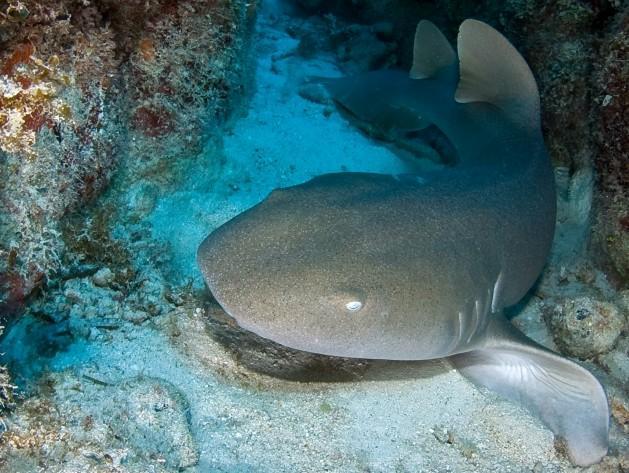 |
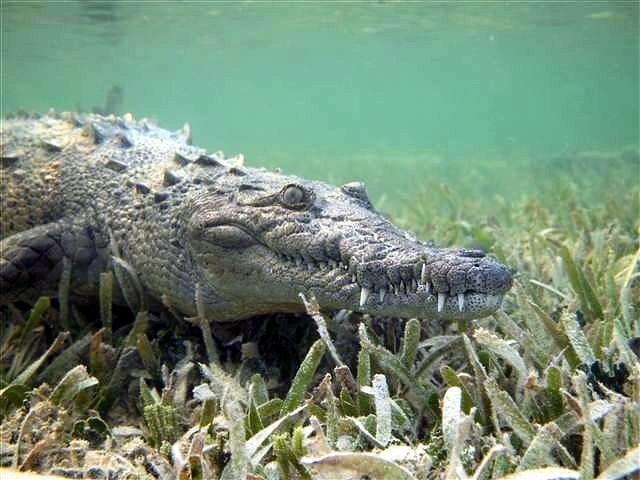
| | If you are lucky, in some of the localities you can snorkel with young American crocodile (Crocodylus acutus) at the end of a dive. However, you have to be very cautious as baby animals are shy creatures, and they immediately run away when disturbed. When adult, they reach an average length of 4m, and we only recommend going in the water with a crocodile shorter than 2 m. | 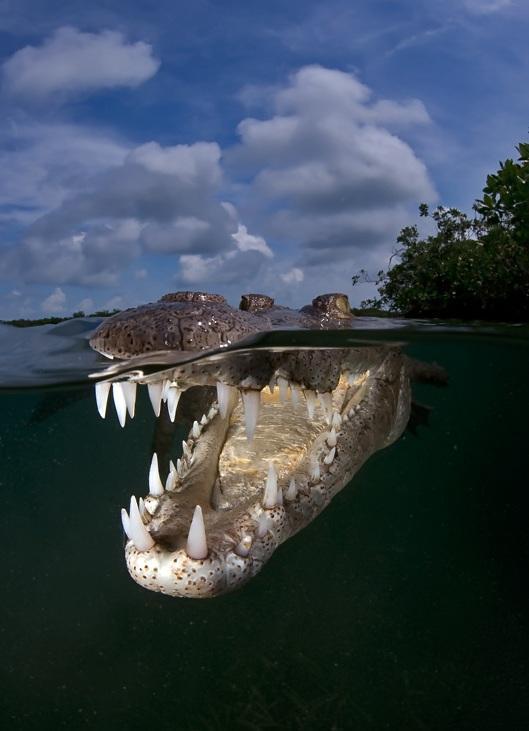 |
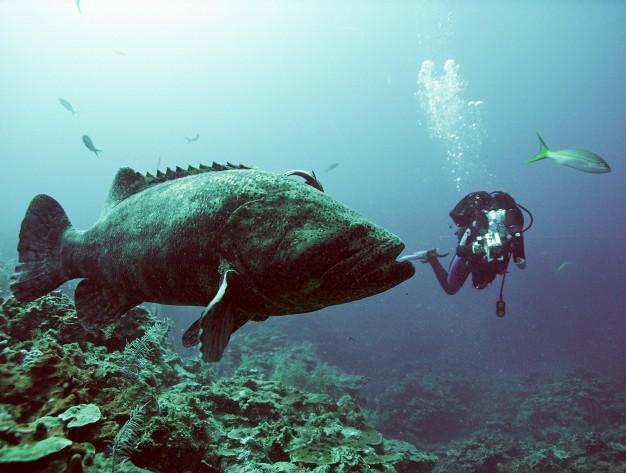 | JARDINES de la REINABesides diving with sharks, enjoyable experiences include seeing local giant grouper (called there jewfish (Epinephelus Itajara) weighing about 200kg. In addition to these giants, you can see there wonderful Atlantic tarpon (Megalops sp.). |  |
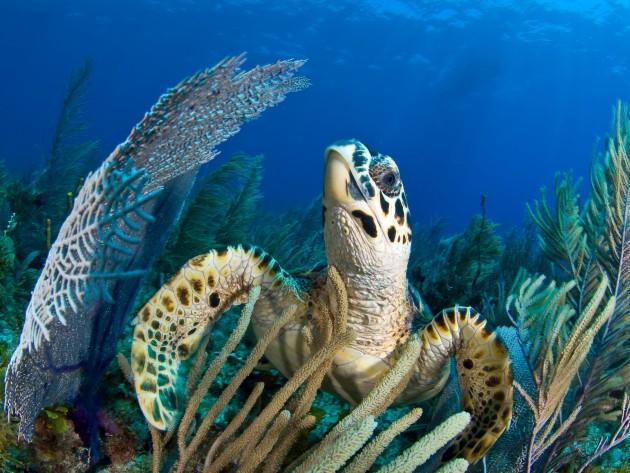 | ...relaxing ray (Dasyatis americana) and other classic species of the Caribbean, for instance tortoise, green moray, barracuda and plenty of small creatures. The localities are of two types: deep reefs where you particularly go to see Caribbean reef shark, and shallow coral reefs - gardens.. | 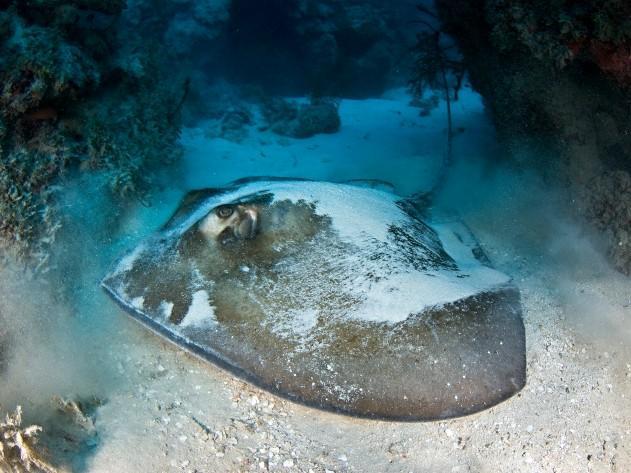 |
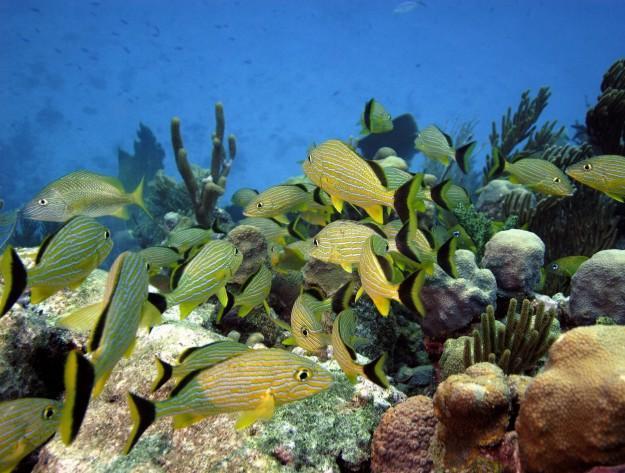 | The local shallow reefs are particularly composed of brain coral, stony coral, gorgonian and large sponge typical of the Caribbean. Among them, there are schools of snapper, grunt and other coral fish sometimes creating fantastic "fish soups". | 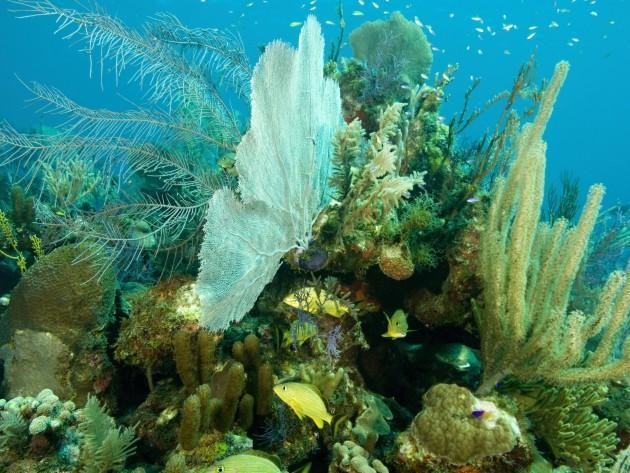 |
| | On the foot of these shallow reefs, over the sand bottom, we can watch tortoise, ray, and the current biggest sea snail - queen conch (Strombus giga - attention, a protected species. If customs officials find its shell in your luggage, you will have a big problem). | |
| | The operational centre of the AVALON diving base is located in the Tortuga floating hotel, safely anchored in a protected mangrove bay. A daily schedule usually contains one or two deep dives first, and the third dive means a relaxation in a shallow garden. | 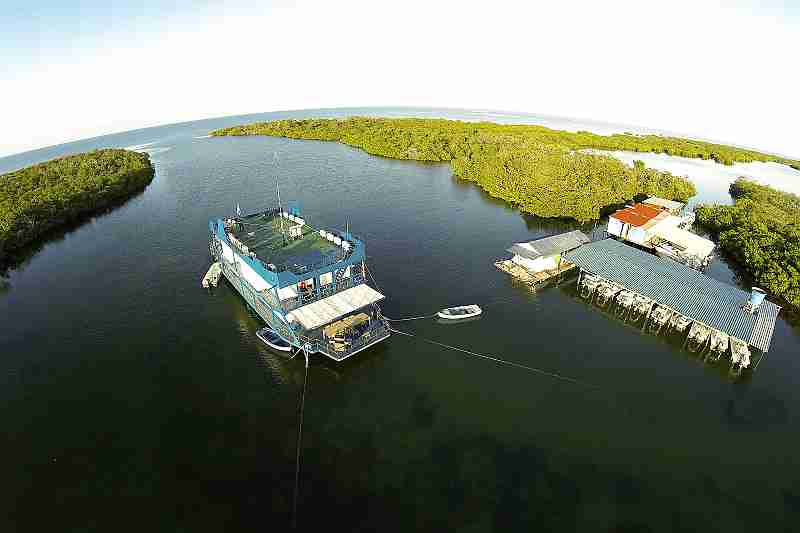 |
| | Thanks to the strict protection of the Jardines de la Reina National Park and strong control of entries of visitors, it looks almost like in Christopher Columbus times. Only you and the sea! | 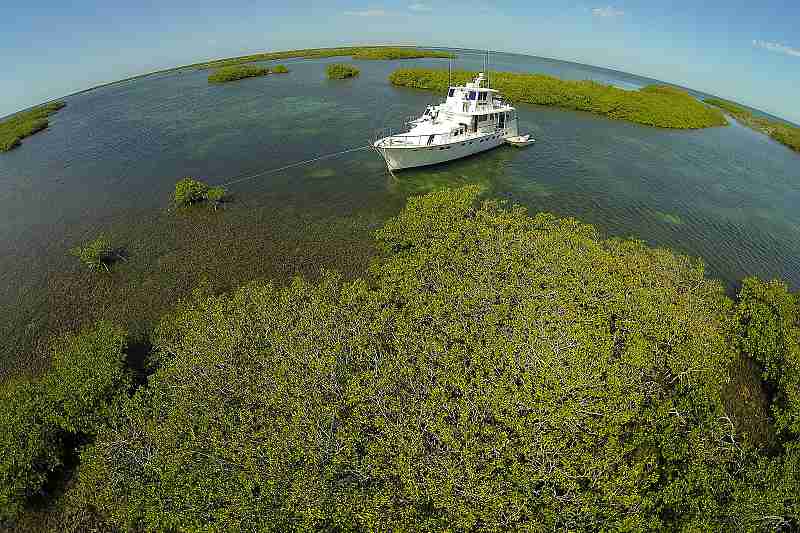 |
| | ||
| | Have you ever received a 100% shark warranty? We will provide you with it. If you don’t run into shark during diving in Jardines de la Reina, AVALONS will give you back all money you have invested in your holiday - including the air ticket and spending at bars... |
JARDINES de la REINA: NO SHARK = FREE VACATIONS
PRICES valid from 1 JAN 2022 till 30 SEP 2022
| MY AVALON 4 - "NEW TORTUGA" | MY AVALON 1 | MY AVALON 2 | MY AVALON III |
| 2 100 EUR | 2 500 EUR | 2 500 EUR | 2 500 EUR |
includes 8 days (7 nights) full board accomoddation, 12 dives for MY AVALON 4, 19 dives for the rest of boats, 6 drinks (beer, softdrinks, water) daily,
not included : obligatory supplements : port and protection fee 390 EUR, tips
Diving in Cuba
| JARDINES de la REINAIt is a strictly protected marine reserve, sometimes also called "the Galapagos of the Caribbean" or "Casto’s secret reef". Thanks to the fishing ban and strict limits for the number of visitors, it is possible to see there what the Caribbean looked like in Christopher Columbus’s times. Without doubt, it offers the best diving in Cuba. | |
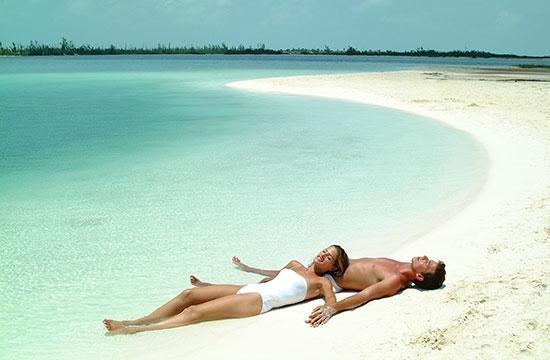
| CAYO LARGOThis small isle was once Caribbean pirates’ net. Nowadays, the local all-inclusive hotels on snow-white beaches with "singing sand" are an ideal place for family holidays with terrific diving. | |
 | MARIA la GORDAIt is a legendary locality at the western promontory of Cuba, located in the Bahía de Corrientes Bay (Pinar del Rio Province). According to the ancient legend, once there was Caribbean pirates’ base, and pretty Maria was their host and attendant - she cooked, served drinks, treated slashes got in fighting, consoled the gloomy...... | 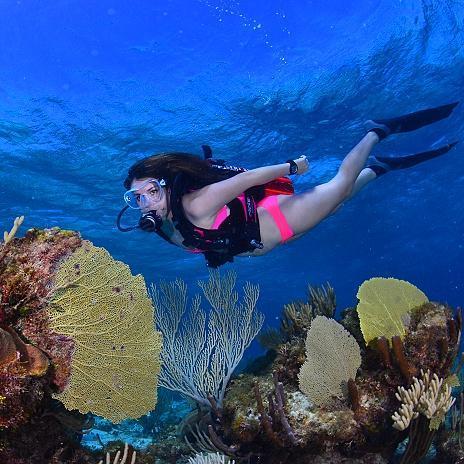 |
| Bay of PigsIt contains nice deep walls with mostly excellent visibility. Simple diving from the shore is suitable even for beginners. It is interesting that it is possible to dive there in caves with mixed water (the first few metres fresh water, lower brackish and then sea water). | 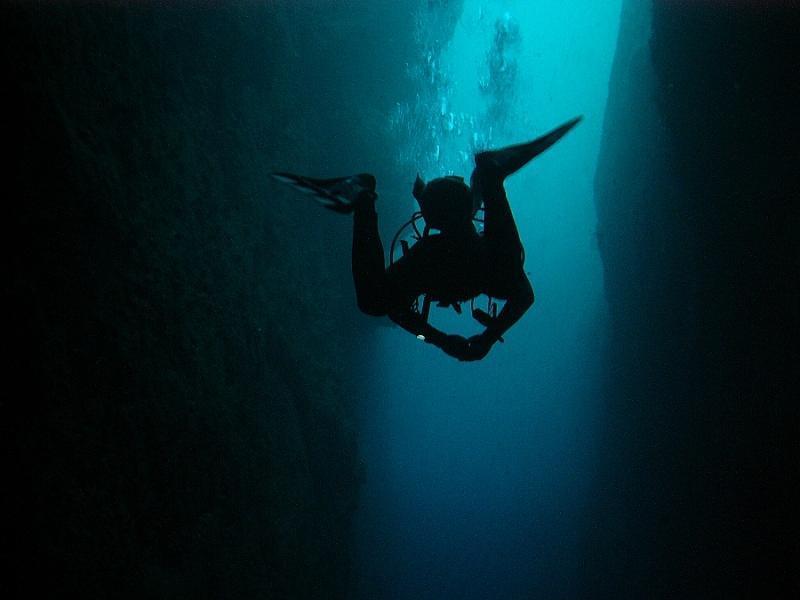 |
 | ISLA de la JUVENTUDIsle of Youth, sometimes also Isle of Treasure, Isle of Pirates, Isle of Pines, is situated 50 miles south-east of the Cuban shore. There are coloured populations of coral, sponge and gorgonian, and walls, caves, tunnels, snapper, tarpon, horse mackerel, tortoise, barracuda, ray, and, in case of act of God, occasionally also shark... |  |
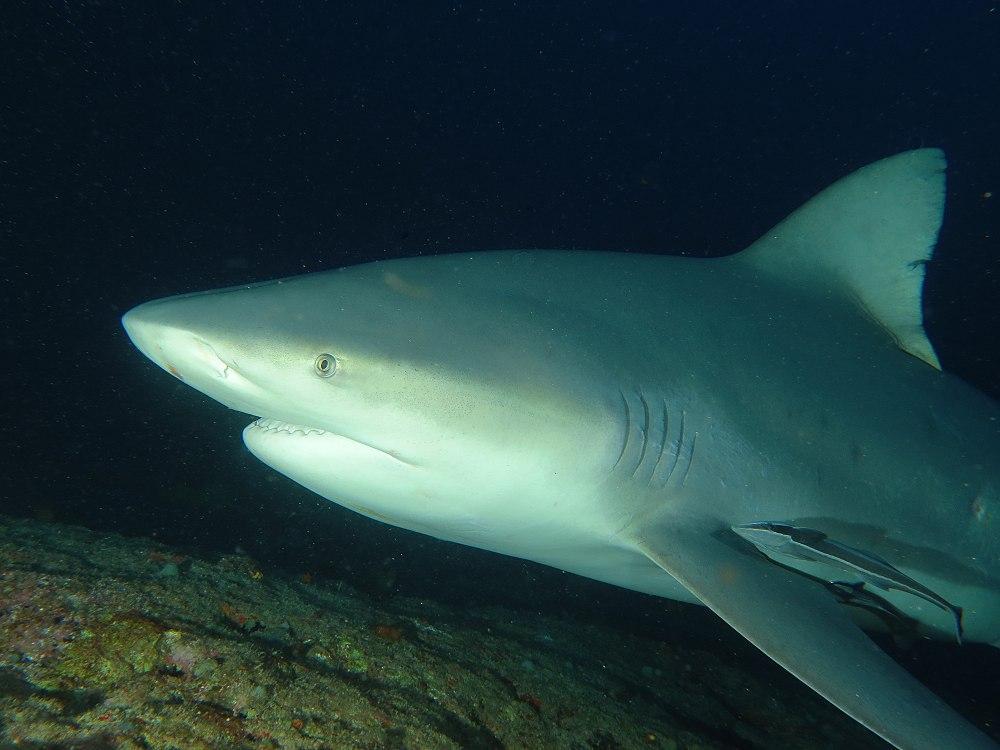
 | PLAYA SANTA LUCIAIt is a well-known place where bullsharks live, creatures that are responsible, according to certain references, for more human victims than great white. However, they are composed there; no attacks on tourists have been reported. Besides bullsharks, there are several interesting wrecks there. NEW !!! | 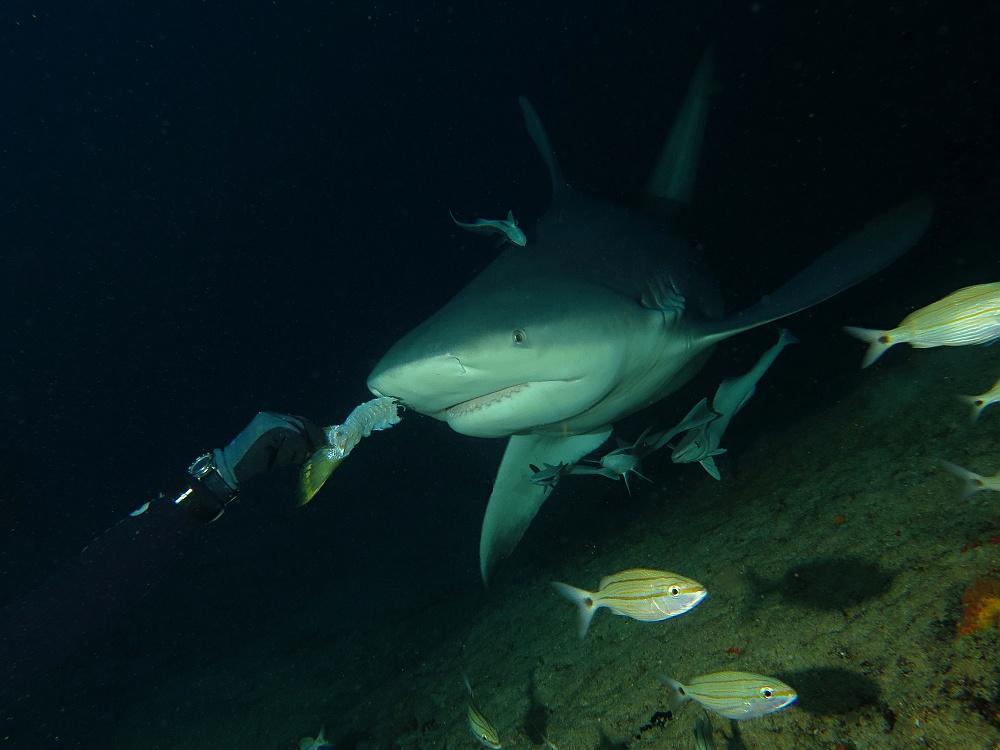 |
 | Jachting & divingIf you like yachting and like diving during it, then the cruises from Cienfuegos or Trinidad to Cayo Largo are intended just for you.
NEW !!! | 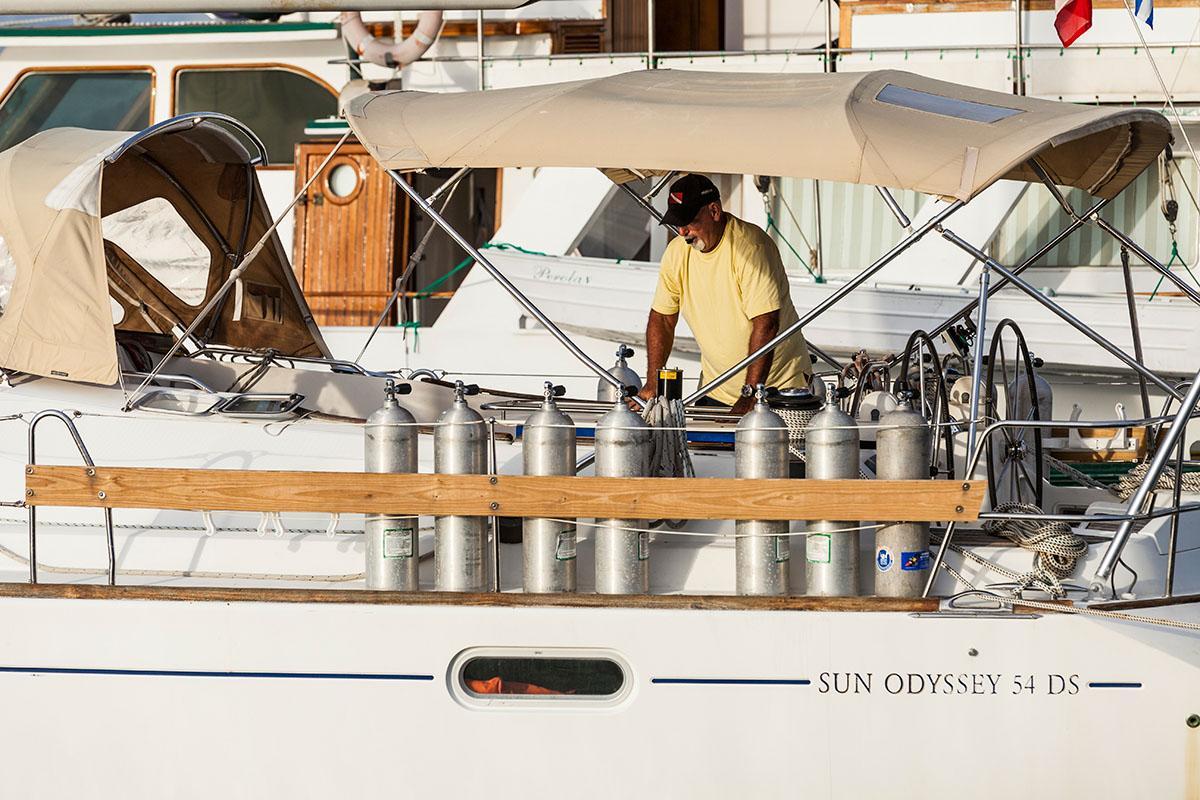 |
 | VARADEROIt is one of the greatest and well-known Cuban resorts, even Al Capone went there for holiday. The greatest local diving spots of interest include a wreck of the Soviet guard ship BP 353 (Barco Patrullero) known as Russian Destroyer. It is the cheapest way of diving in Cuba. | 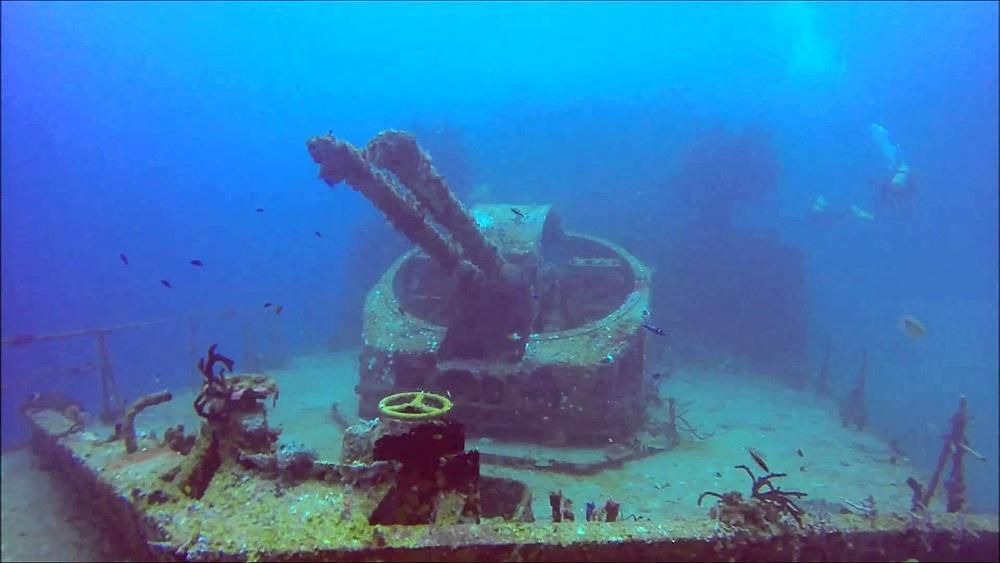 |
Without doubt, the most interesting area for diving in Cuba lies in Jardines de la Reina. Thanks to the strict protection of National Marine Park (particularly commercial fishing ban and control of the number of visitors), we can see there the Caribbean as it was before the expansion of tourism in that part of the world.
In a majority of other Cuban localities nearly all large fish have been caught and eaten. Therefore we strongly recommend you to consider carefully the choice of the location before the holiday, and not rely on all euphemistic offers of some travel agencies. In particular, agencies not directly specialized in diving in Cuba sometimes present diving optimism which is a bit unrealistic.
Diving in Cuba
Cuba on the road & diving
NEW ! NEW ! NEW ! NEW ! NEW !
Cuba on the Road & Diving is our new program uniquely combining getting to know Cuba and diving. Divers travel around Cuba by modern camper with our driver (diving instructor), which is also their diving guide and tourleader. At this moment we have 2 options available : SHORE TOUR (8 days/12 dives) and HEMINGWAY TOUR (3 days/3 dives). In following weeks another options will come WEST TOUR (6 days/10 dives), NORTH TOUR (7 days/11 dives) and SOUTH TOUR (6 days/10 dives). All these programs have the same main feature - travelling by campers with camping in safe places with water, electrocity and food supply available. Optionally every camper can be equipped by one or two electrobikes. Program is made by group of young Cuban diving intsructors and due to their's invention we have the oportunity to dive - besides traditional ones - in new and almost unknown diving spots. Enjoy diving in Caribbean and Atlantic waters !
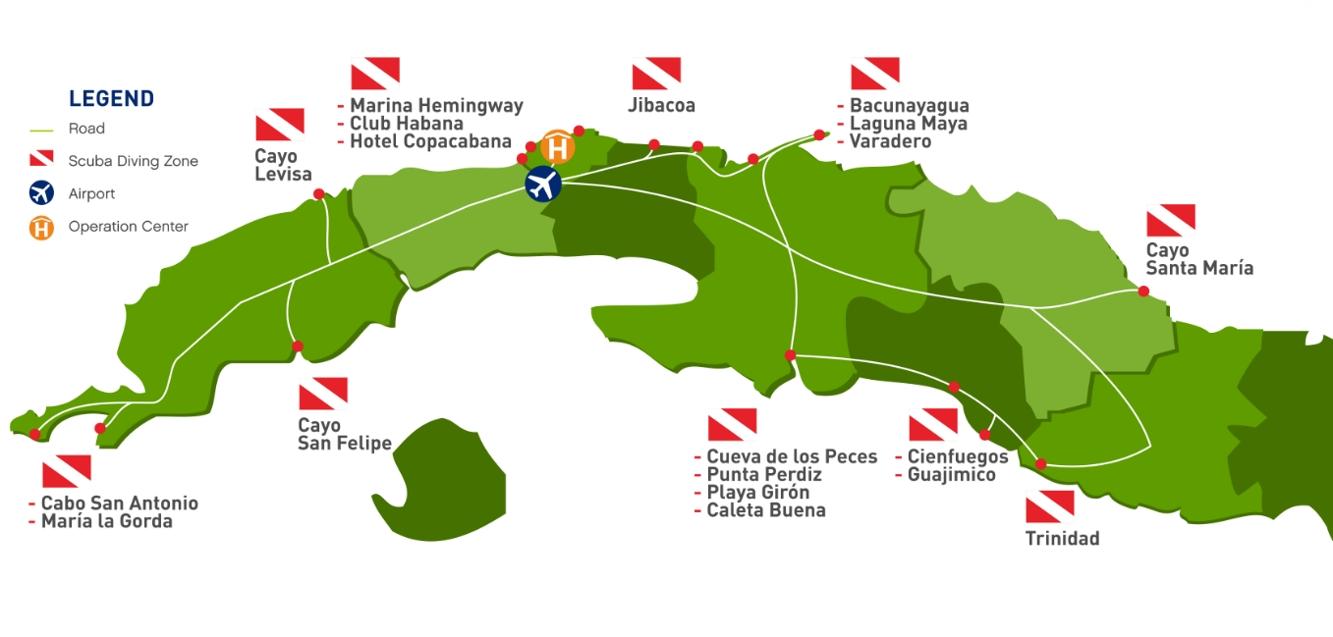 | SHORE TOUR : Day 1- Arrival to Havana, transfer to the hotel, check-in. Day 2- Pick-up the camper and the first two dives in Diving Center Copacabana. Departure to Villa Trópico Hotel, Jibacoa Day 3- Two dives in Jibacoa Day 4- Departure for Bacunayagua, two dives. | 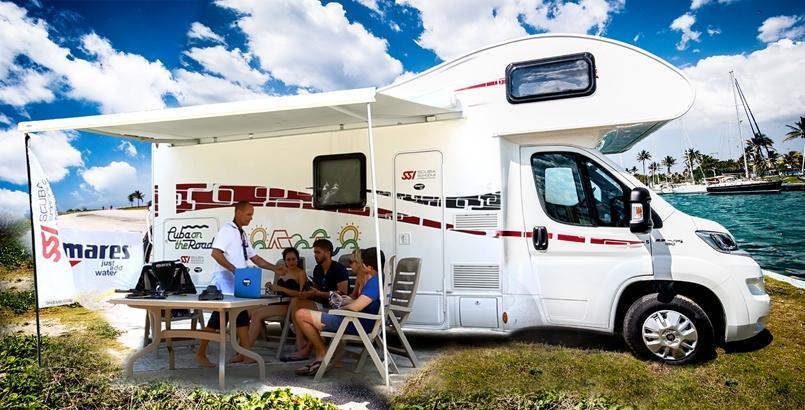 |
| Day 5- Departure for Laguna Maya. Two dives and departure for Bay of Pigs. Day 7- One dive in cave Cueva de los Peces (Casimba Ilona), the second dive in the sea in Punta Perdiz . Day 7- Diving in Bay of Pigs: Playa Girón and Caleta Buena . Day 8- Return to Havana, drop off the camper and accomodation in hotel. | 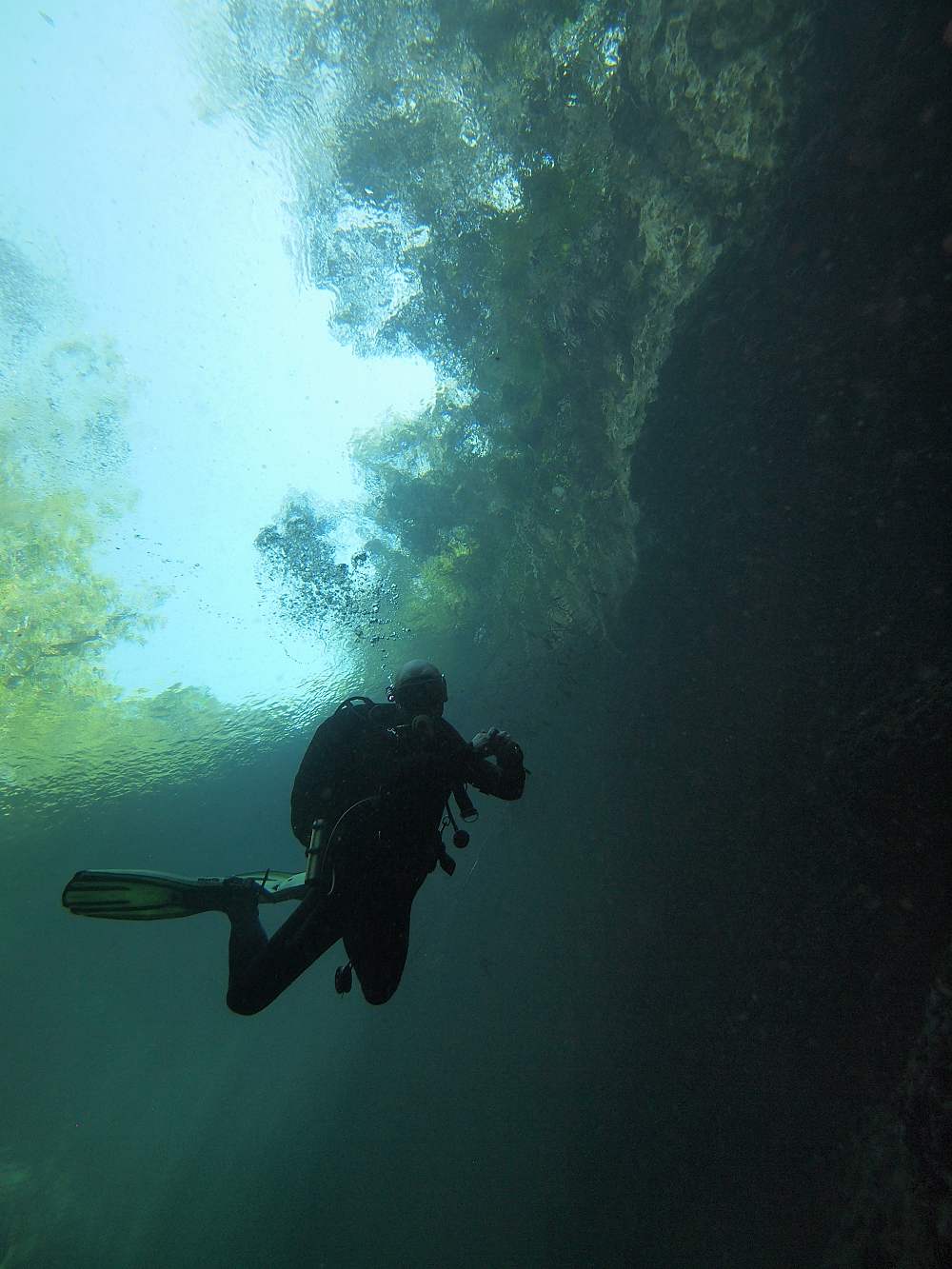 |
| According to the name SHORE TOUR all dives during this tour are from the shore (without diving boat). Easy and nice diving... | 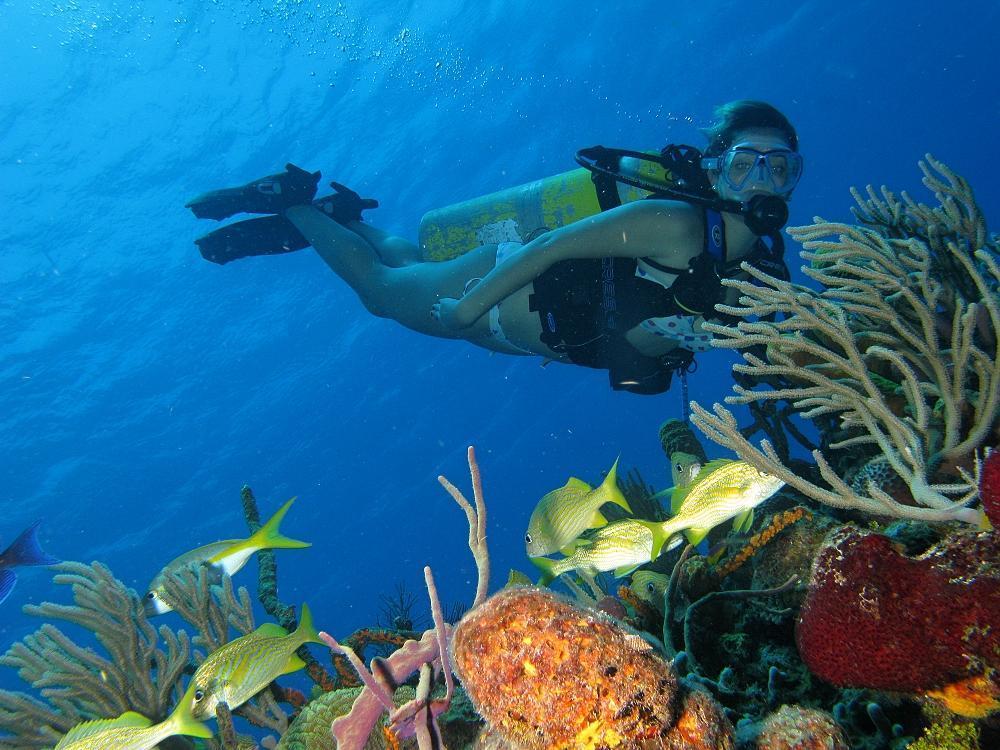 |
 | Webpage is under construction at this moment and will be ready very soon...If you are interested in our new program Cuba on the road & diving, please This email address is being protected from spambots. You need JavaScript enabled to view it. for more info. | 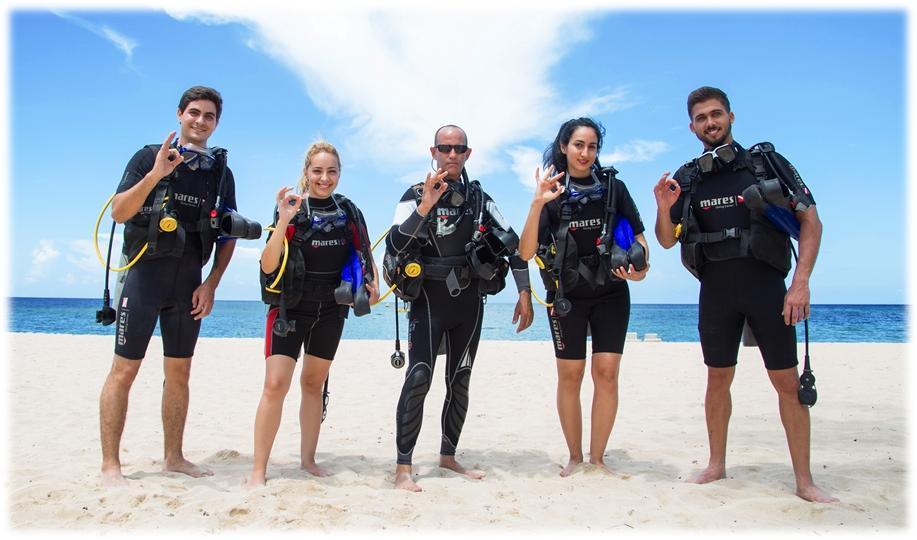 |
CUBA ON THE ROAD & DIVING
Price of SHORE TOUR from 1 139 EURO p.p. (4 persons in camper) includes rental of CAMPER RV for 6 nights, 12 dives from shore, diving equipment MARES rental for whole tour, driver (diving guide) services
