
TRINIDAD
| A small town with actual 36 000 inhabitants which was found, together with Havana and the other 4 towns, in 1513 by Diego Velasques got fabulously rich owing to the cane sugar trade. Today, it belongs to the most beautiful Cuban towns and since 1989 it has became a treasure of the world cultural heritage. The dominant feature of the town, and its highest building is the Convento San Francisco (a former monastery of St. Francis of Assisi) and nowaday there is the Museum of Revolution... | 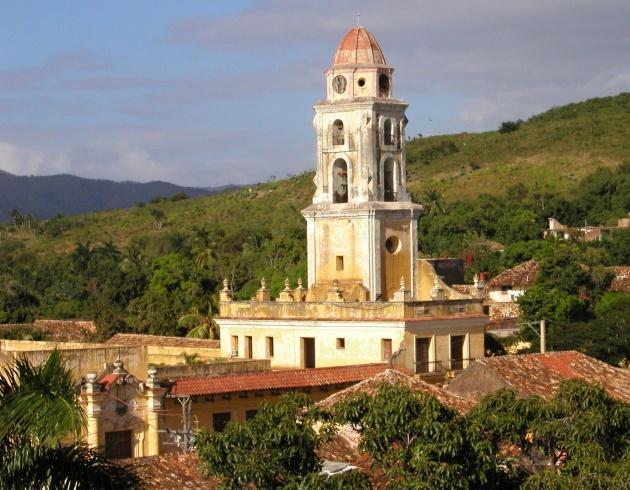 | |
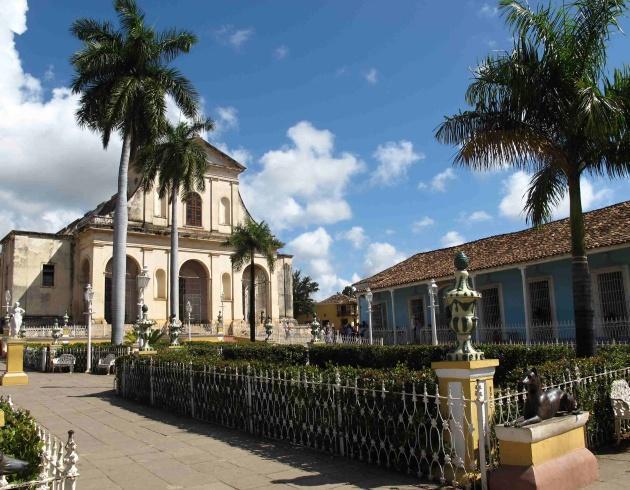 | Nearly all of the historical sightseeings if colonial Trinidad are situated close to the main square The Plaza Mayor and it is possible to visit them within dwo hours. However, the neighbourhood of the Plaza Mayor lives even in the night. For those who love the Cuban colour and music, we kindly advise the night visit of nearby Casa de la Musica or Casa de la Tróva. | 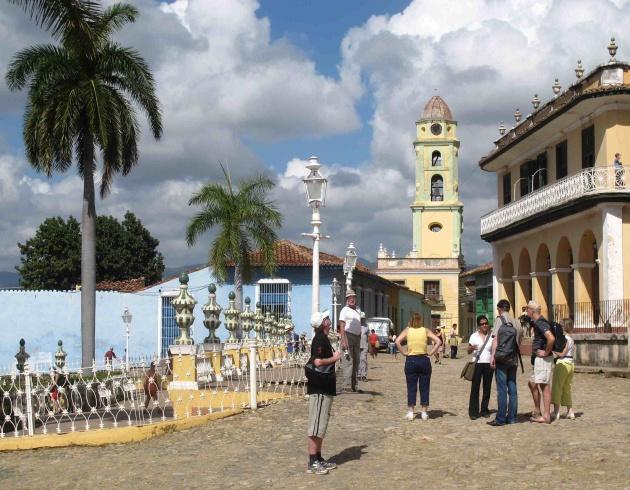 |
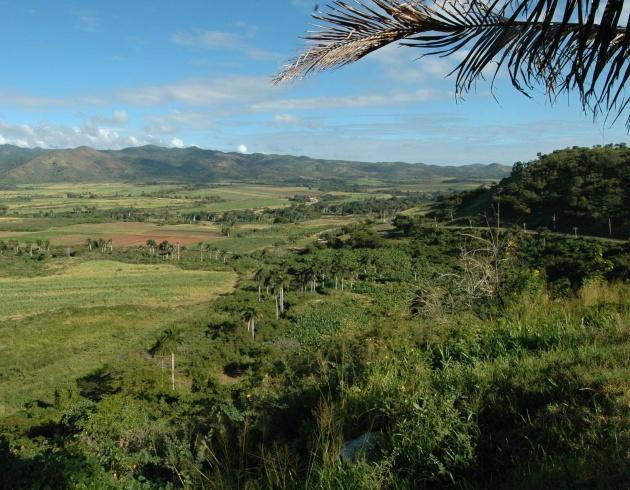 | Not so far from Trinidad there is a fabled Valle de los Ingenios – The Valley of Sugar Mills. Around this valley it used to extend the boundless cane plantations and the slave village San Pedro. There has been retained a high watchtower where it is possible to step up and make a true imagination, how it could look like in the past. |  |
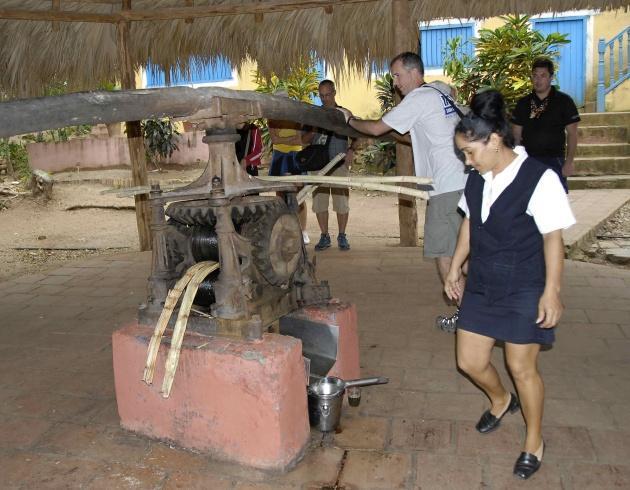
 | Visitors can look over the remains of colonial sugar house device and personally examine, how it could have been to crunch the cane for fourteen hours per day...
|  |
 | Approximately 20 km northward from Trinidad, there are extended the Sierra Escambrey mountains, covered by a rain forest, where the Castro´s enemies (he called them banditos) were hiding. Today it is the favourite place for those who enjoy the tropical mountain enviroment. Nearly half a day trip begins with the 20 km car journey by the craggy way full of serpentines to the mountain spot Topes de Collantes. From here you will continue through the mountain landscape full of palm trees and coffe trees right to the breathtaking waterfall Salto Caburní. | 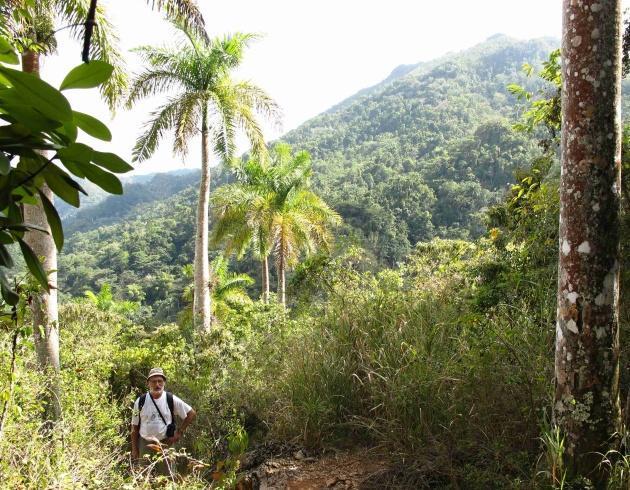 |
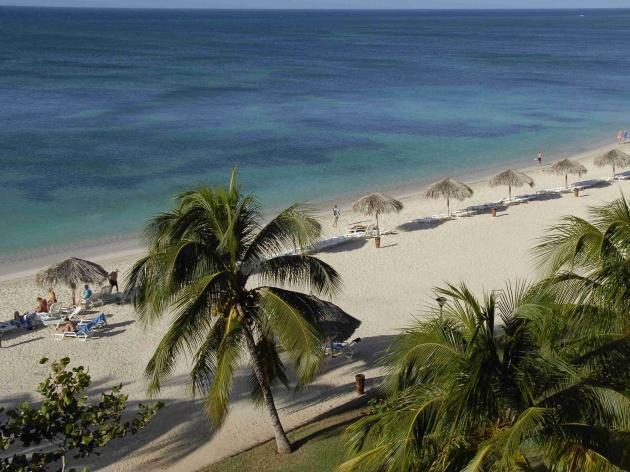 | The best beach hotel in Trinidad is Brisas del Trinidad, situated directly on beautiful Carribbean beach Ancón. With Diving center CAYO BLANCO (nearby) you can enjoy diving on diving spots among Trinidad coast and Cayo Blanco Island (15 km far). Trinidad Kuba |  |
| CURRENT WEATHER IN TRINIDAD | ||
TRINIDAD PHOTO GALLERY Trinidad Kuba | |
HAVANA
1519 - 2019

When Diego Velasques founded the settlement of San Cristobal de la Havana in November 1519, he certainly had no idea that a few decades later, this city will become the most important city for both America continents. Convenient location close to a deep and narrow bay (future Havana harbor) and favorable ocean currents were decisive circumstances that in 1553 Havana became the capital not only for Cuba, but for the entire New World. It became the seat of the governor and the marshalling of ships (the main port - Puerto Principal) sailing with an armed escort with a cargo of gold and silver from the Spanish colonies in America to Spain. In the following centuries, when Cuba was the world's largest supplier of sugar the city grew rich, especially due to the trade of this commodity. In Old Havana, which offers innumerable cultural and historical monuments, visitors can admire the splendid square surrounded by castles, palaces and mansions which now serve primarily as a hotels and variety of galleries and museums. After a walk through the Old Havana, you may soon discover that not only this square, but the entire city looks like huge open-air museum where you can breathe the atmosphere of a distant past.
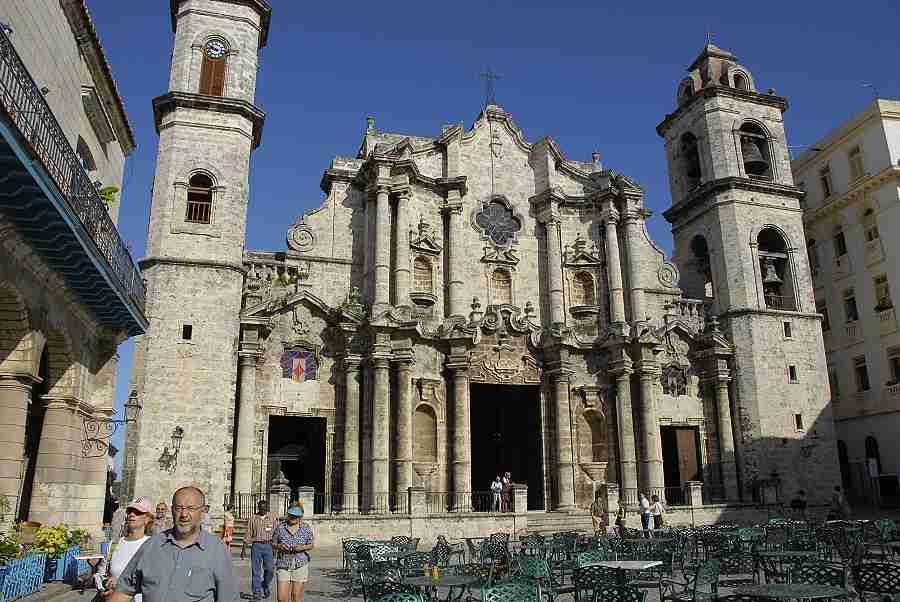 | One of the most beautiful historic squares is Plaza de la Catedral. A cathedral dominating the square began to be built in 1748 by the Jesuits, and was completed by the Spanish colonial government in 1789. Until 1898 there were kept the remains of Christopher Columbus. In the square there is also a Museo de Arte Colonial with exposition of the colonial era. |  |
 | Unmistakable landmark of Havana is Capitolio, a slightly bigger brother of the Capitol in Washington. It was built during 1912-1929 as the headquarters of the Cuban bicameral Congress (Senate and House of Representatives). The entrance to Capitolio is patrolled by two large bronze sculptures, representing the work and virtue. Somewhat symbolically, after the victory of the revolution, the Congress building became a museum. | 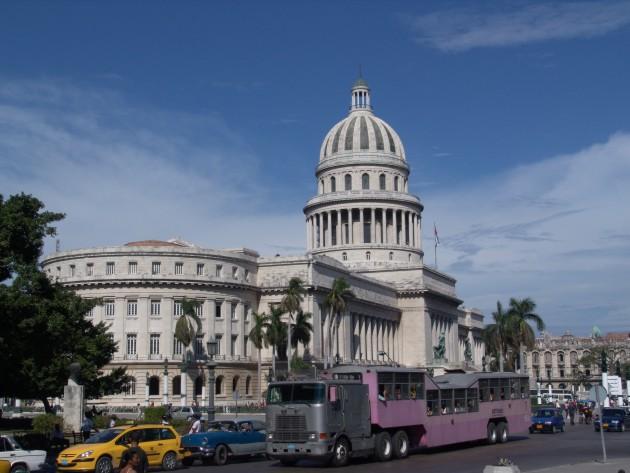 |
 | In addition to countless historical treasures, Havana is fascinating by the life of its streets that pulsates during the day. The term "Caribbean atmosphere" is hard to describe – it is simply worth experiencing. |  |
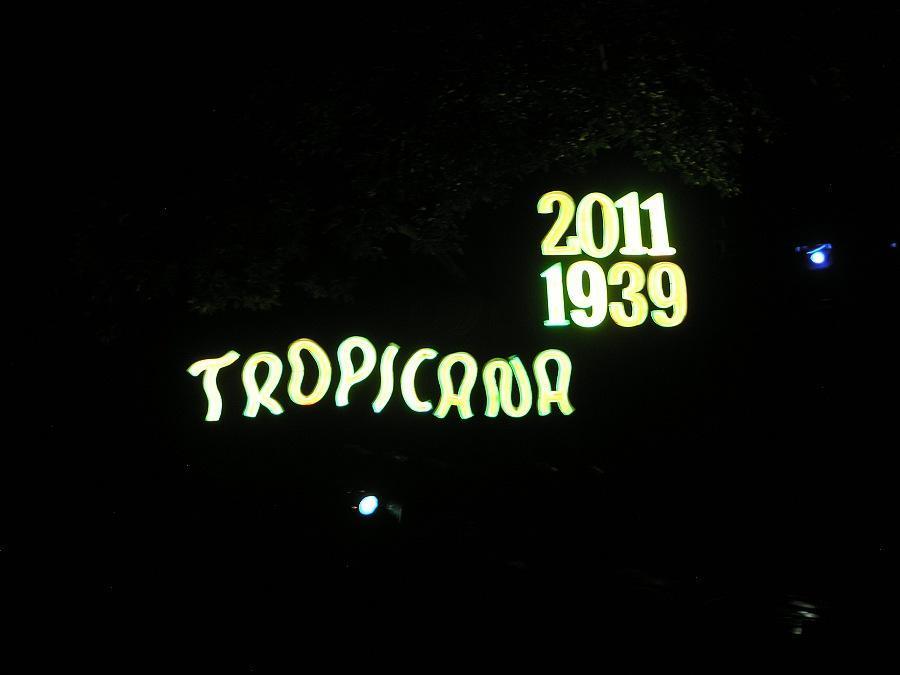 | And what about at night ... The most famous Havana´s night club TROPICANA situated in the district of Buena Vista, is a symbol of pre-revolutionary Cuba. It was first opened on New Year's Eve 1939, and since then the famous cabarets are held with great acrobats, and even better dancers. Despite the high price of entrance tickets (around 80 EUR including bottle of rum, cigars and little snacks) it is usually sold out. Reservations required – can be made either by your hotel or our agency. | 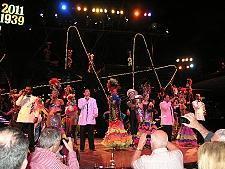 |
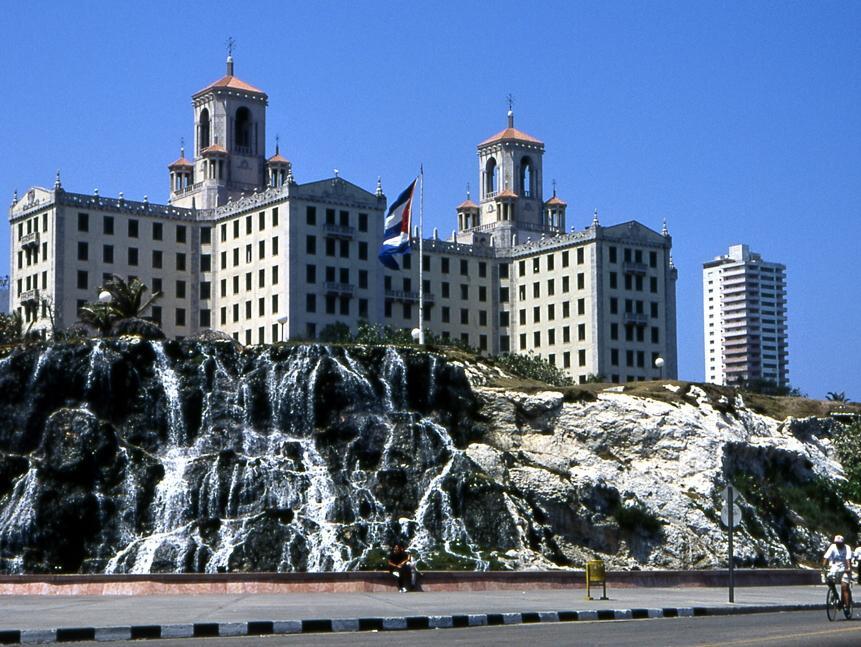 | Havana´s magic was a temptation also for American mafia, so that in the forties of the last century, it was a settlement for several “families“ of famous names: Charles "Lucky" Luciano, Meyer Lansky, Al Capone, Amleto Battisti Lora, Santo Trafficante and Don Amadeo Barletta. In hotels such as Nacional de Cuba, Sevilla, and Capri Riviera arose world-class casinos swarmed by beautiful girls, and where Mojito and Cuba libre flowed ceaselessly. | 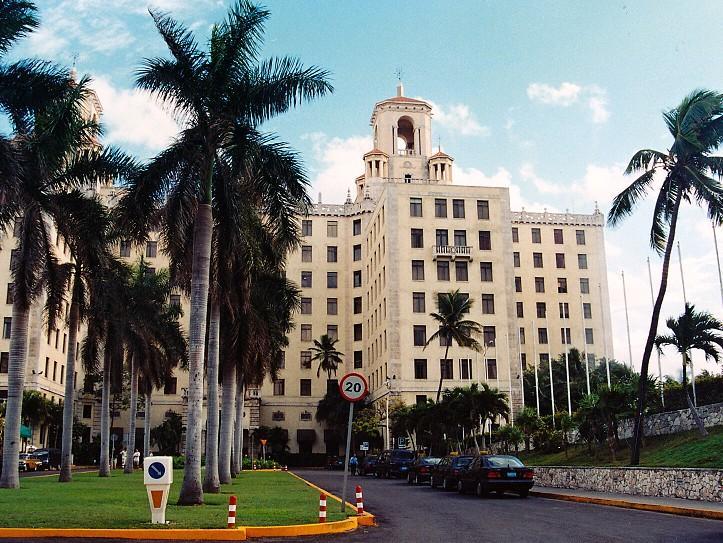 |
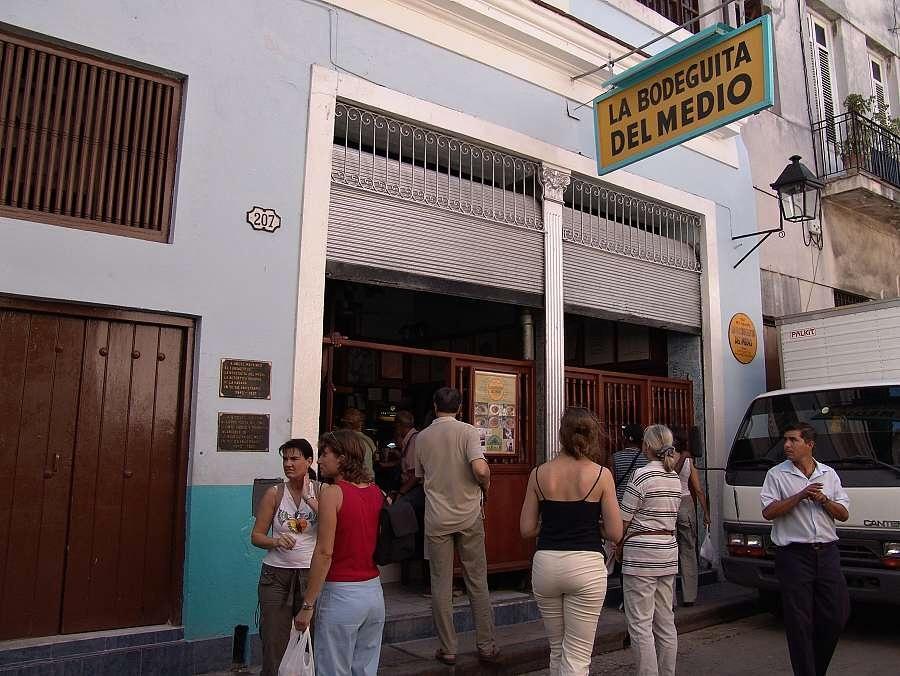 | Havana of course doesn´t atract only sinners, but also enlightened souls. One such soul was undoubtedly an American writer Ernest Hemingway, who spent more than twenty years of his life in Havana. And here he created his immortal works – novels such as “Whom the Bell Tolls" and the Nobel Prize-winning "The Old Man and the Sea". He drew his inspiration in his favorite bars La Bodeguita del Medio and El Floridita. Hemingway´s winged byword was "My mojito in the Bodeguita, my daiqurí in Floridita." | 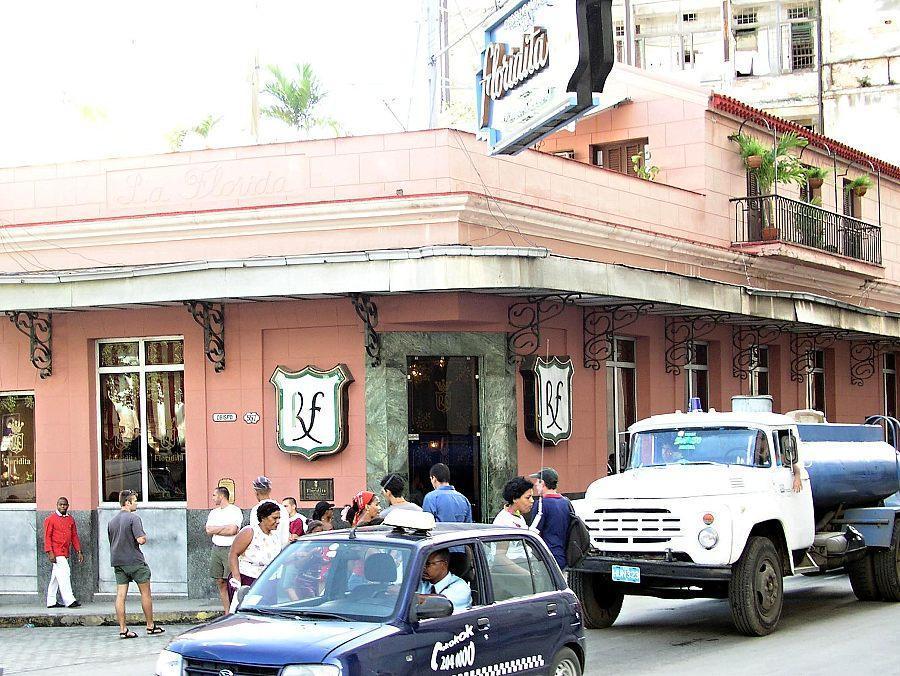 |
| Havana in 1930's and today | |
| ||
THE GUIDE OF CUBA
The Republic of Cuba
the heterochronism of six hours, 12 millions inhabitants - about 2 millions inhabitants live in the capital of Cuba - HAVANA. Together with the main island (the largest island of the Greater Antilles) belong to Cuba any other 1600 smaller isles, mostly uninhabited. It is bathed by the Atlantic Ocean in the north, and the Caribbean Sea in the south.
