20 let potápění na JARDINES DE LA REINA
Zní to neuvěřitelně, ale první lednovou sobotu l.p. 2023 uplynulo přesně dvacet let, od chvíle, co jsme (jako první česká skupina) poprvé připluli do souostroví Jardines de la Reina. Tehdá zde potápěčům a rybářům bylo k dispozici jediné ubytování, plovoucí hotel Tortuga pro 18 lidí. Konvertibilní peso CUC ještě neexistovalo, v hospodách, barech a holkám se platilo dolarama. Čas ale pokročil a dnes už je lecos jinak. Malé lodě, na kterých jsme se tehdá plavili, existují už jen v našich vzpomínkách a jejich místo zaujala luxusní FLOTILA AVALON. Pojďme se na chvilku zastavit a oslavit dvacet let českého potápění v této unikátní potápěčské destinaci. Sklenkou kubánského rumu, popř. šálkem kubánské kávy (nejlépe kombinací obého) a malým nostalgickým ohlédnutím.
PLOVOUCÍ HOTEL TORTUGATortugou to celé začalo. Legendární plovoucí hotel byl prvním ubytovacím zařízením v souostroví Jardines de la Reina a po dlouhou dobu srdcem zdejší potápěčsko-rybářské základny. Pro hosty tu bylo celkem sedm kabin. Většina dvoulůžkových, několik třílůžkových a čtyřlůžkových s celkovou ubytovací kapacitou 18 osob. Více foto... | 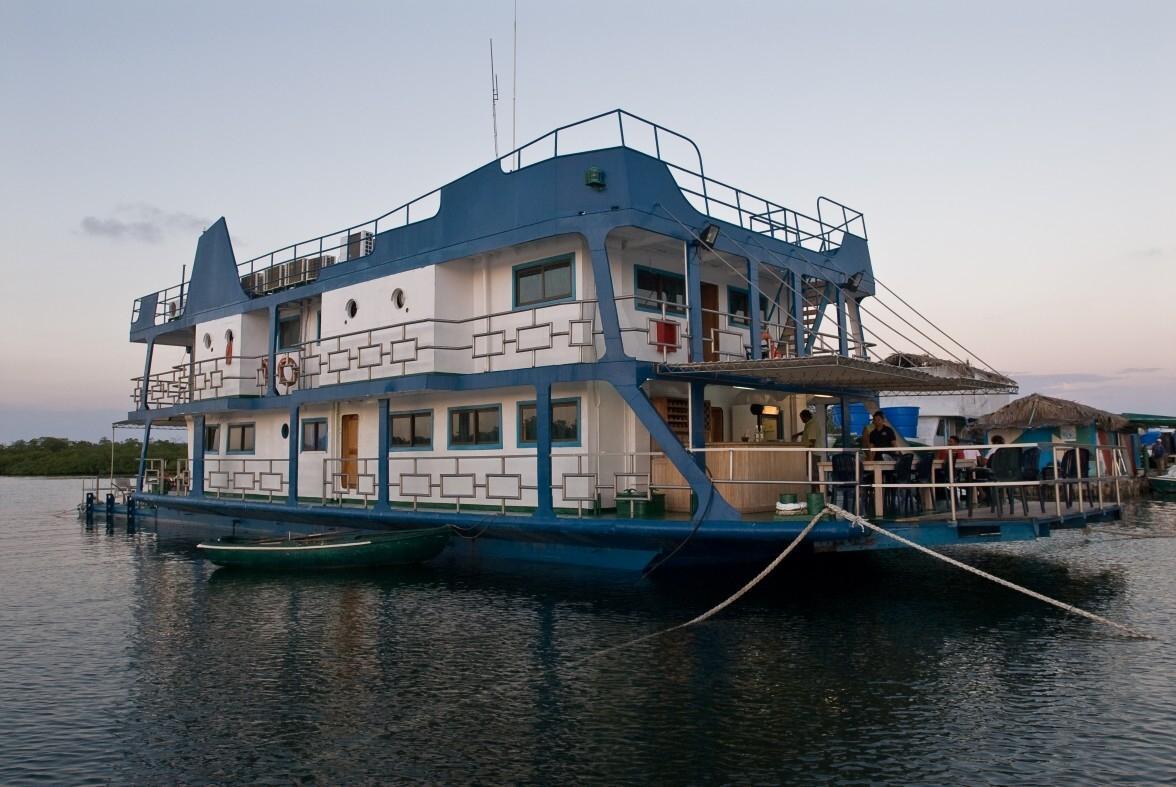 | |
EXPLORADOR - La REINANa konci roku 2003 k plovoucímu hotelu Tortuga přibyla malá potápěčská loď EXPLORADOR pro osm lidí. Dvě kajuty vždy sdílely společné WC a koupelnu. Později byl EXPLORADOR přestavěn (každá kajuta získala vlastní sociálku) a přejmenován na La REINA (královna). Neopakovatelné období pro každou romantickou duši, která měla možnost se na La Reině plavit. V osmi lidech uprostřed parádního potápění kdesi v Karibníku. Navždycky díky, Královno ! Více foto... | 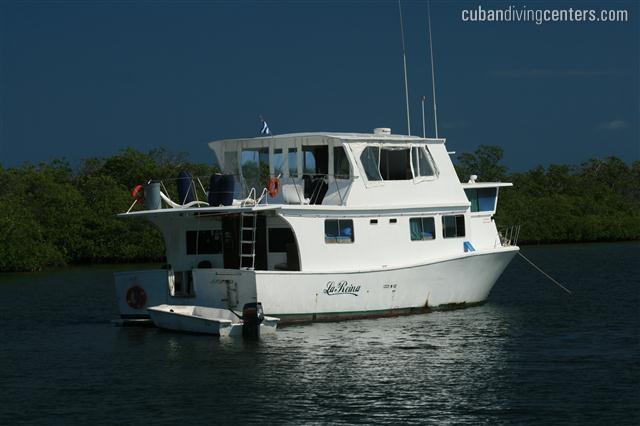 | |
HALCONČas šel dál a potápěčům a rybářům zde začala sloužit zatím nejluxusnější loď Halcon pro dvanáct osob. Ani zde však každá kajuta svůj záchod a koupelnu neměla. . Více foto... | 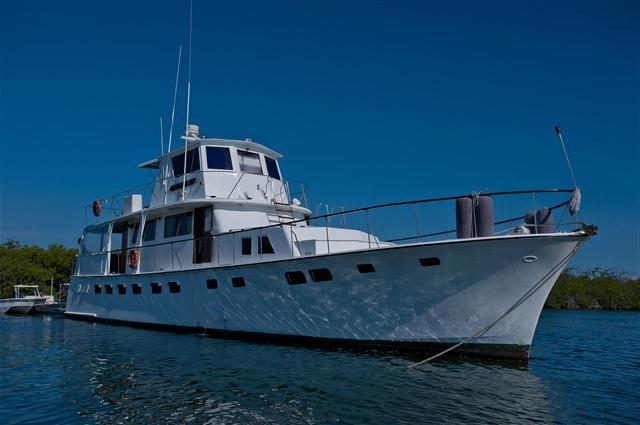 | |
CABALLONESV roce 2004 byla zdejší flotila posílena o loď Caballones pro osm osob. Protože měla kuchyň (těžiště) nezvykle nahoře, tak se s ní jezdilo pouze v rámci souostroví, plout do přístavu se s ní nedalo kvůli nestabilitě ve velkých vlnách. Podobně jako La Reina již měla i Caballones sociálku na každé kajutě. Více foto... | 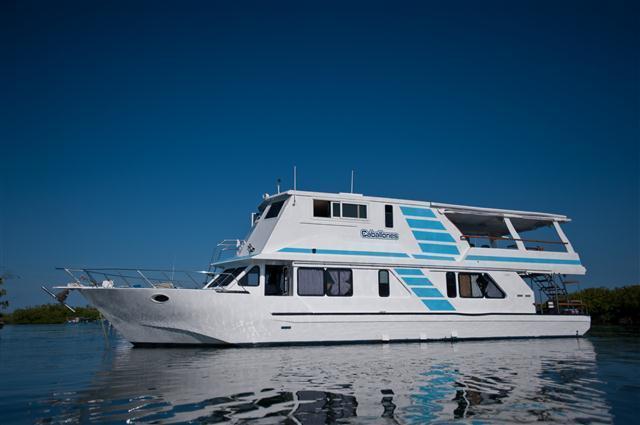 |
Nová kapitola zedjšího potápění se začala psát v roce 2011, kdy se v souostroví Jardines de la Reina objevila první z FLOTILY AVALON, MY AVALON FLEET 1 pro 16 osob, v té době nepochybně nejluxusnější loď na celé Kubě. Tato změna byla vyvolána zaměřením prvozovatele základny na náročnou americkou klientelu v souvislosti s oteplováním americko-kubánských vztahů po usednutí Baracka Obamy na americký trůn. Zatím posledním přírůstkem flotily je AVALON IV - luxusní plovoucí hotel pro 40 lidí, který v srpnu 2020 nahradil legendární TORTUGU, pročež se mu někdy říká "NOVÁ TORTUGA".
Oslavte s námi dvacet let českého potápění na Jardines de la Reina potápěním za zvýhodněné ceny !
VARADERO
The cheapest way of diving in Cuba - and not unavoidably bad
Varadero is often considered to be the tourist capital of Cuba - it is said that Al Capone, the prominent mafia boss, went there for holiday. This largest Cuban tourist resort has its own airport, and is located in the long and narrow Peninsula de Hicacos on the Atlantic coast, approximately 140km north-east of Havana. The coast of the peninsula is lined with 20km of sand beaches. From the price point of view, it is the most affordable diving area in Cuba as a whole.
All diving localities (about twenty) are located north of Hicacos Peninsula, and the depth usually doesn’t exceed 30m. The only exception is the deepest flooded cave in Cuba - Giant’s eye (Ojo del Mégano) deep over 70m; diving of divers without trimix qualification is prohibited from understandable reasons. A lot of local shallow reefs are available directly from the shore; some localities are available by boat.
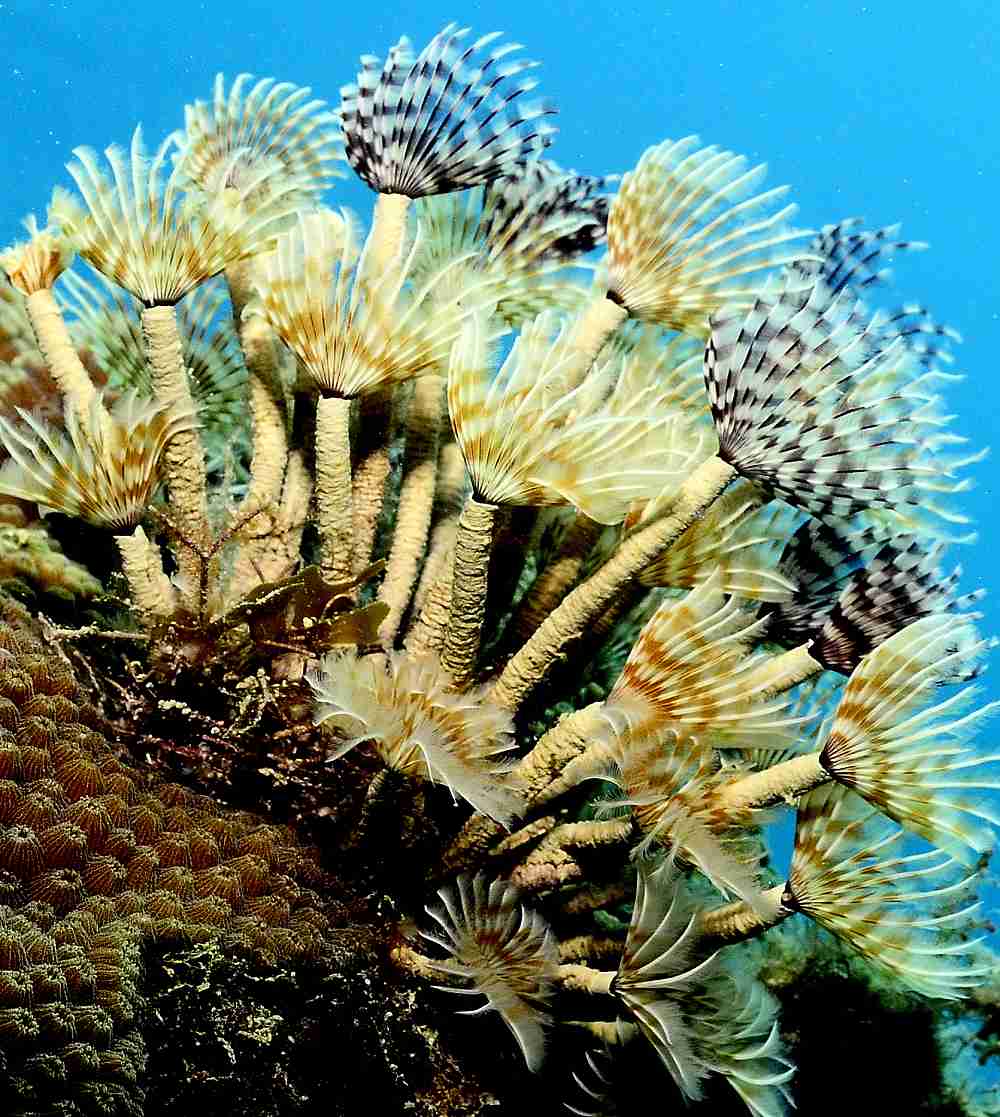
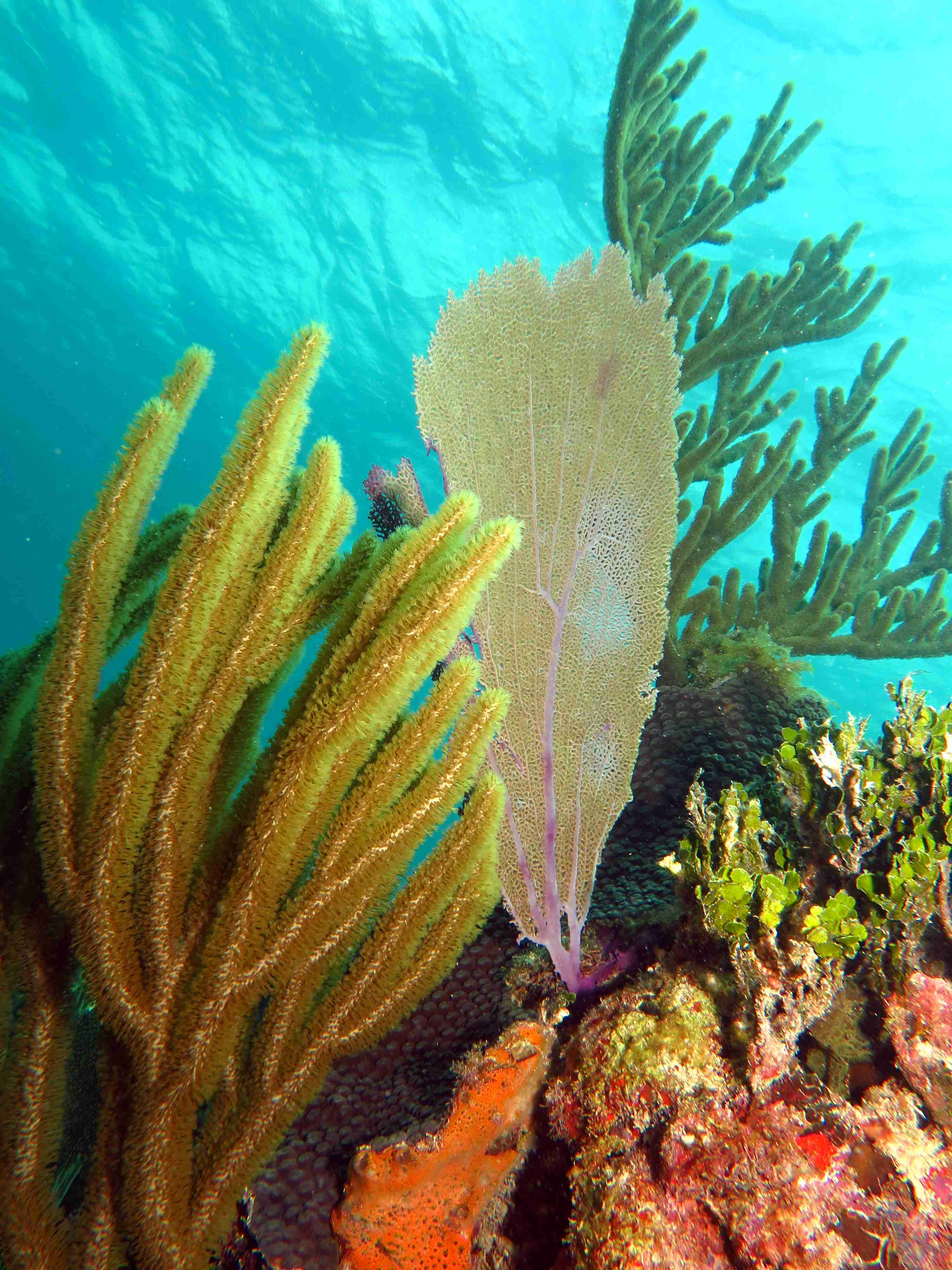 | Atlantic coral reefs around Varadero are mostly created by gorgonian, stony coral, brain coral, cushion coral, Christmas tree worm and plenty of sea sponge. Over the coral reefs, there are schools of snapper, grunt, grouper, surgeonfish, angelfish, drum fish and a lot of other species. | 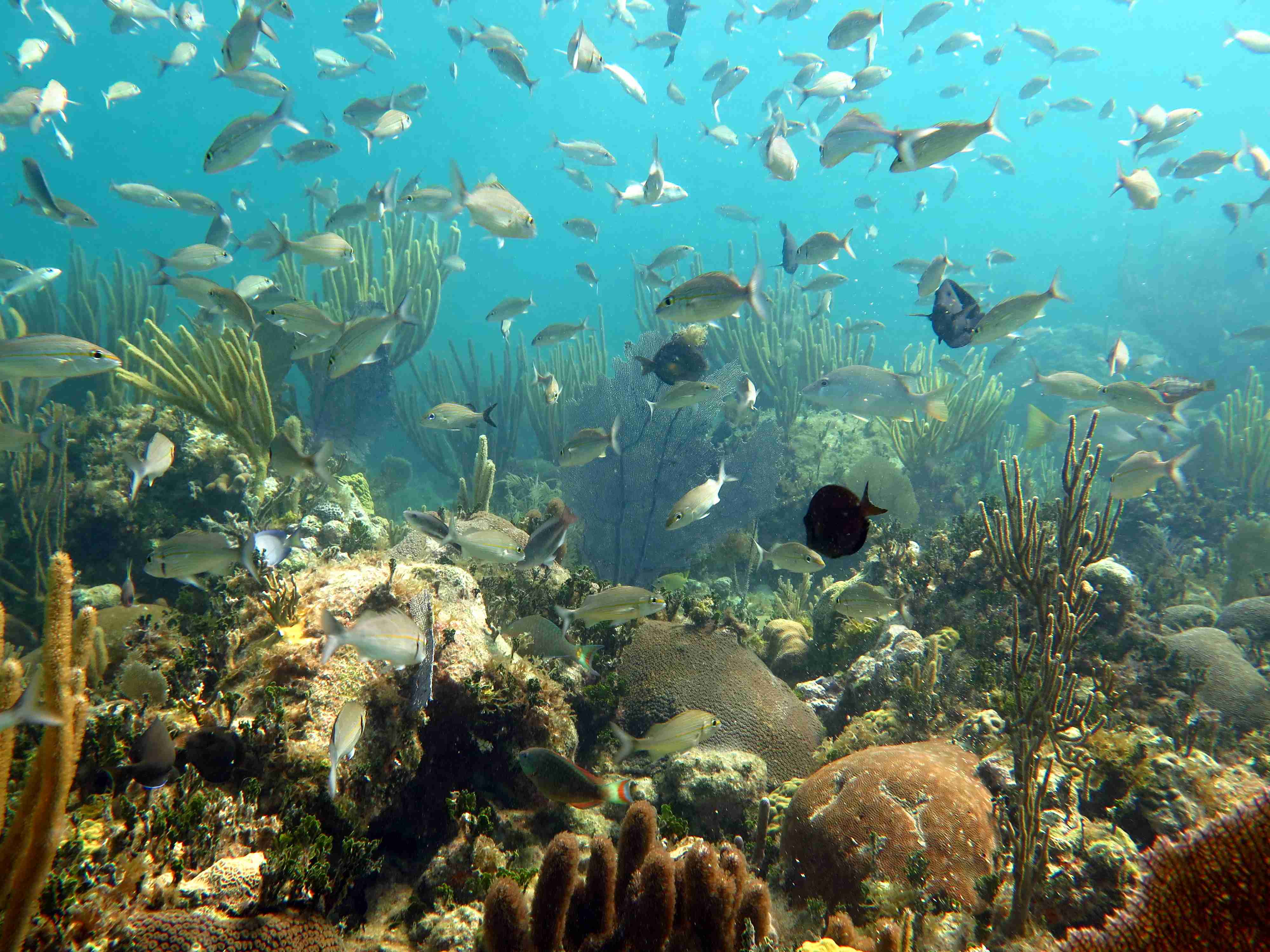 |
 | Other species - e.g. ray-finned fish and bigeye - successfully use safe coral hiding places to relax. | 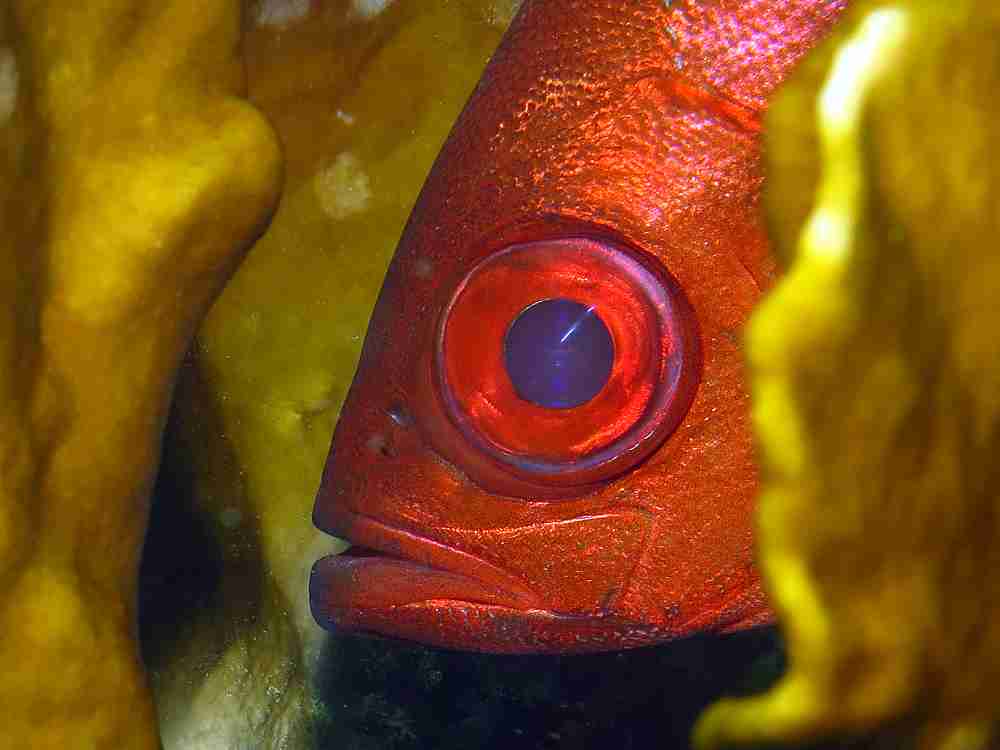 |
| Although there are definitely more attractive diving areas than Varadero in Cuba, there are a lot of things to see, for instance extremely large hermit crab living in vacant shells of queen conch. | 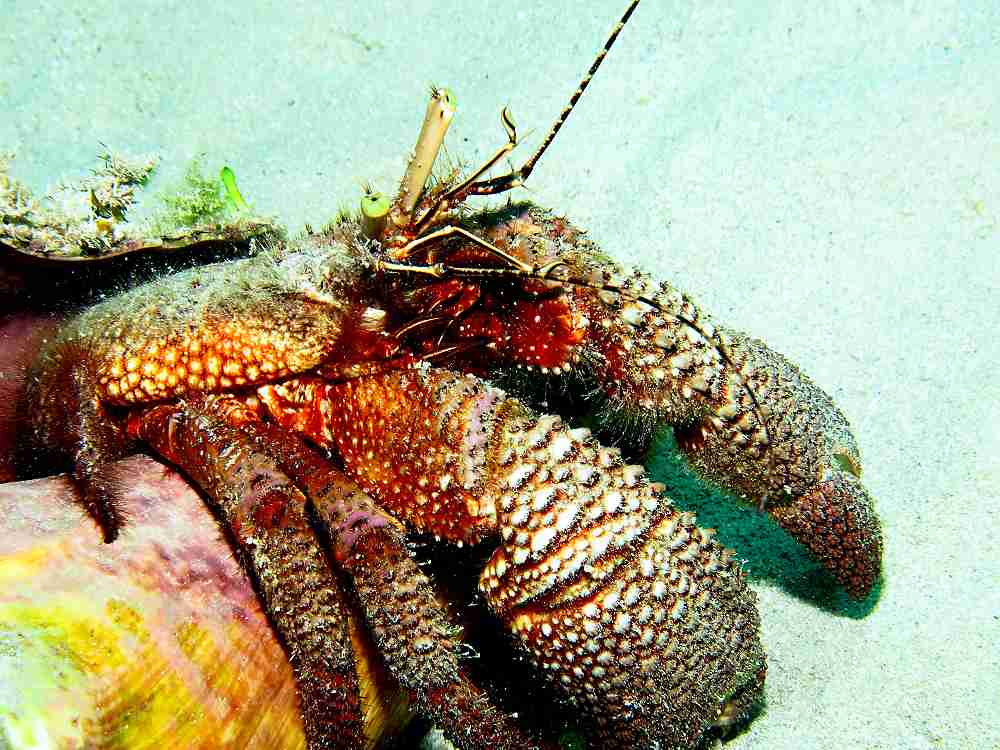 |
| Hiding places in coral reefs are also used by schools of snapper and grunt. | 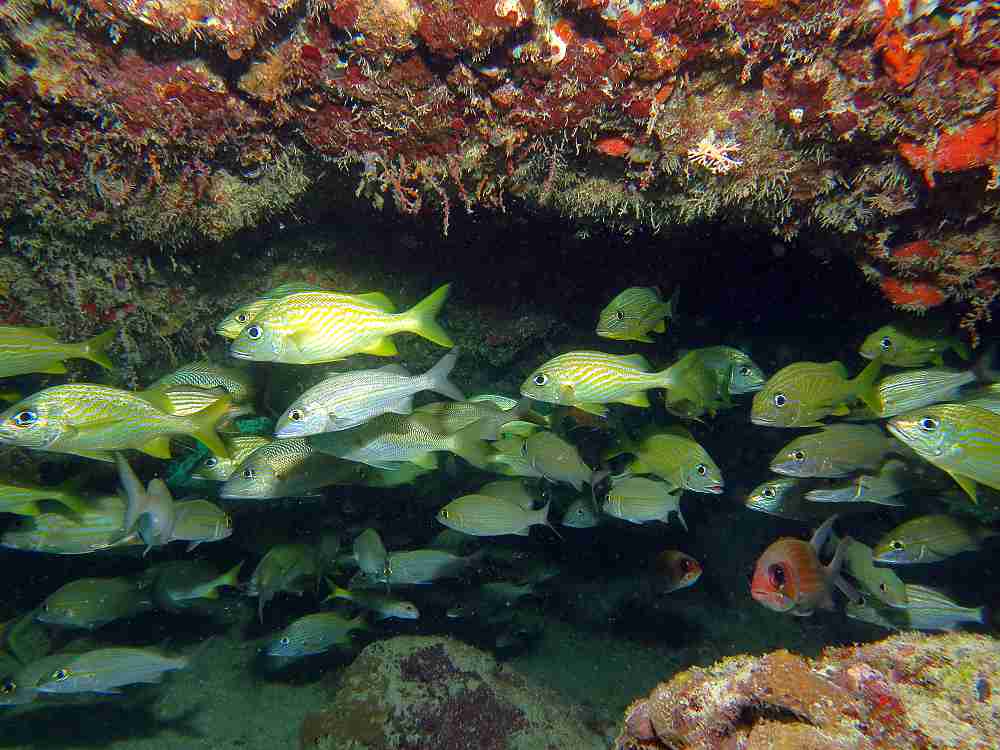 |
"Cuba Wreck Diving (Varadero)" by Goofy Aqua Video from Goofy Aqua Video on Vimeo. | One of the most interesting diving localities in Varadero is, without doubt, a wreck of the Russian guard frigate BP 385 MONCADA, built in the Russian shipyard Krasny Metalist Zavod in 1988. Ten years later, within the temporary warming period between the East and West, the ship was put out of service and sunk near Varadero. | 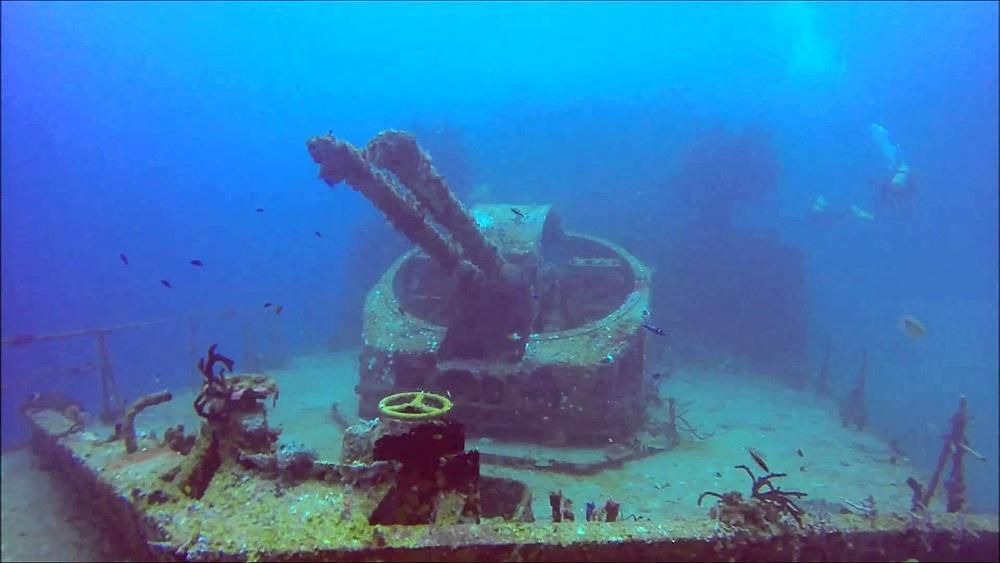 |
| It is 95m long, 12m wide, and lies in a depth of 20-30m. It is now not only a popular target for divers and memorial of the Cold War, but mainly home of many schools of fish. With kind approval of Robert Hughan (Goofy Aqua Video - www.goofyaquavideo.com), you can watch his nice video showing the wreck. | |
 | Varadero can also satisfy lovers of cave diving, for instance in the Cueva de Saturno Cave lying about 20km away from the coast. In a depth of about 20m, it is possible to enjoy richly decorated galleries. The cave is open to the public so your non-diving companions can swim and snorkel there. |  |
| Thanks to the partnership of diving bases in Varadero and Bay of Pigs, the divers accommodated in Varadero can enrich their diving experiences with the famous caves in Zátoce Sviní. Diving trips to Bay of Pigs from Varadero are usually organized once a week. | 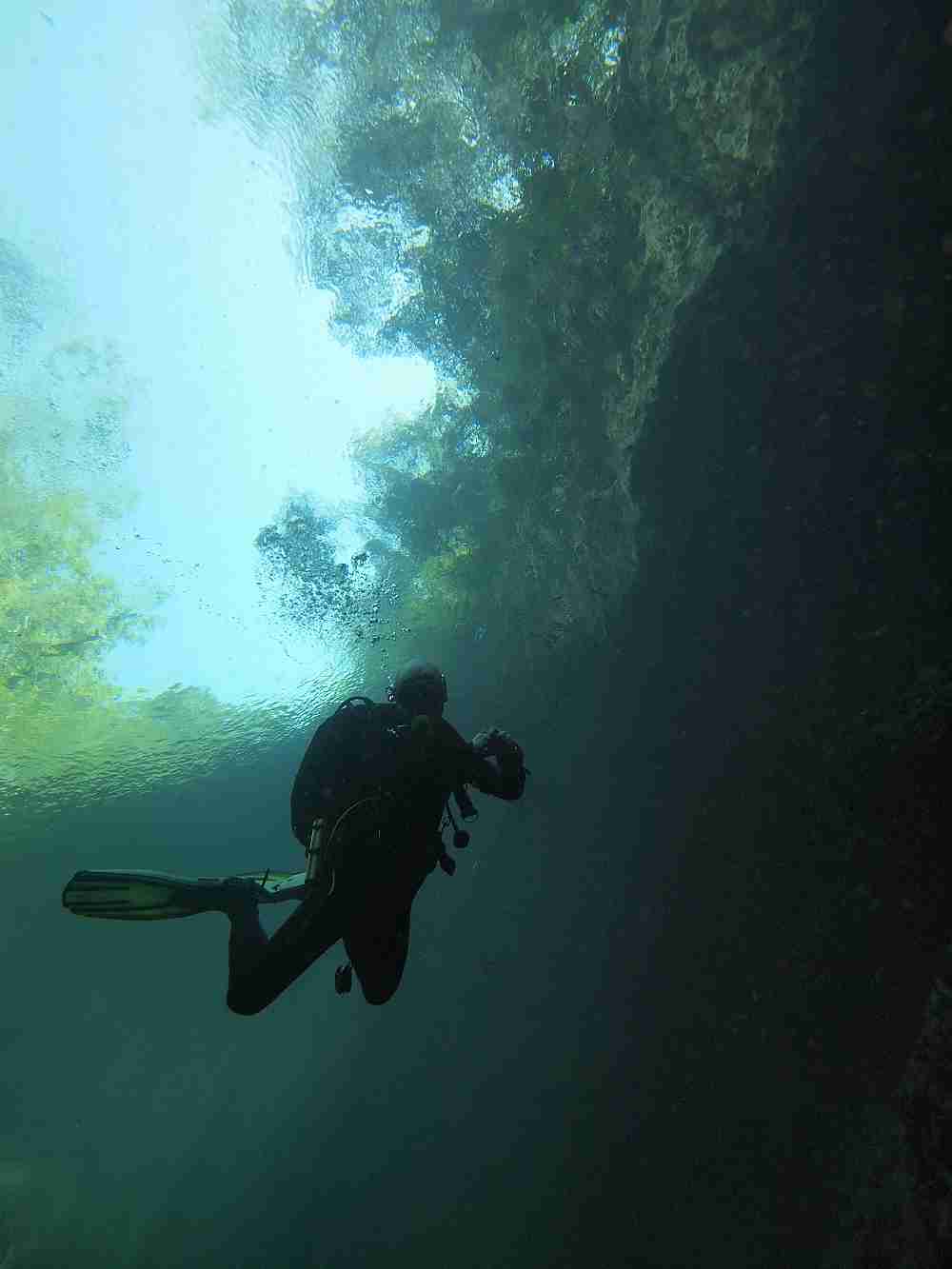 |
From the price point of view, Varadero is the most affordable diving area in Cuba as a whole; this fact results in a large number of divers moving in the local Atlantic water. If we are aware of this fact, we won’t be disappointed and will be able to enjoy all the beauty Varadero offers.
The price from 700 euro includes 7 days of accommodation in a double room with full board at an all-inclusive hotel, and 10 dives in the sea (the prices are in force from 01-01-2017 until further notice).
On-line BOOKING DIVING VARADERO (10 dives = 264 EURO) BOOK YOUR HOTEL from 30 EURO p.p.
PLAYA SANTA LUCIA
A diving destination for lovers of wrecks and bullsharks
Playa Santa Lucia is still a neglected (somewhat without reason) destination on the shore of the Atlantic Ocean; it takes slightly over eight hours (700 km) to get there by car from Havana. And just there we have the chance to dive with one of the most astonishing shark in the world - bullshark (Carcharhinus leucas). This shark can also swim in fresh water thousands of kilometres upstream of the river and live in the lakes of those rivers (its African form was once called Zambezi shark and even considered to be fresh-water shark). It can move and attack even in shallow water half a metre deep; and a hypothesis exists that a lot of attacks on people put down to great white shark were actually committed by bull shark. Although bull shark is sometimes considered to be the most dangerous shark for people, in Playa Santa Lucia no attacks on holiday divers have been reported. Besides bull shark, the area is famous for a number of interesting wrecks full of fish.
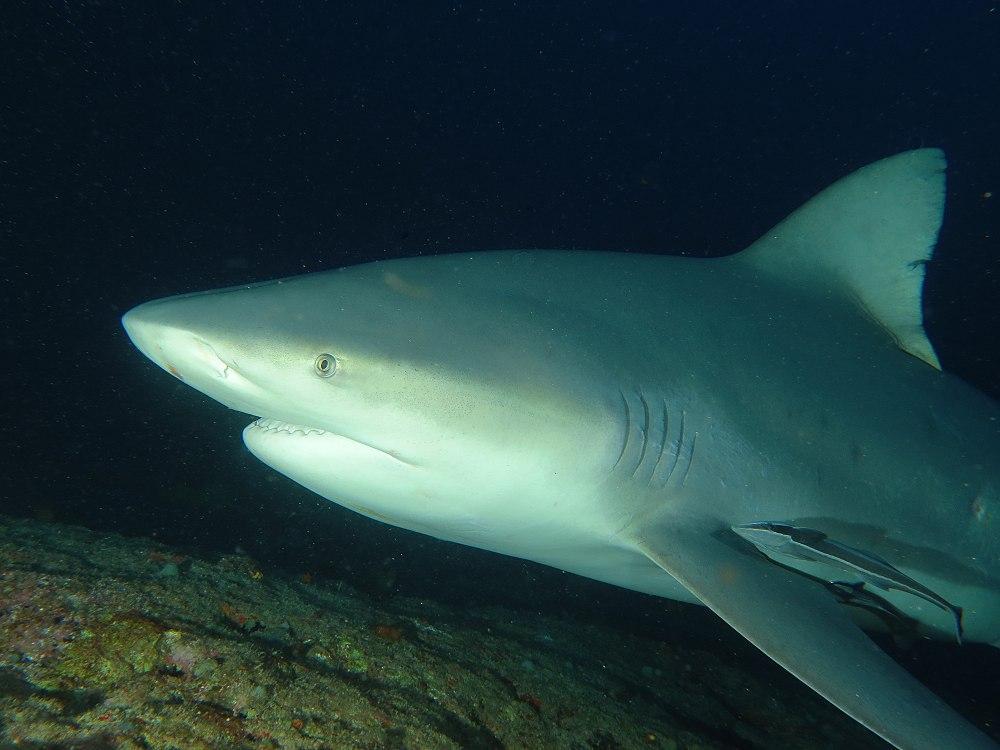 | Bullshark has a typically short but very robust body. It usually reaches a length of about two metres (rarely over 3 metres), and a weight over 300kg (females are usually bigger than males). After one-year pregnancy, a female gives birth up to 13 young ones 50-80cm long, that become adult in ten years. | 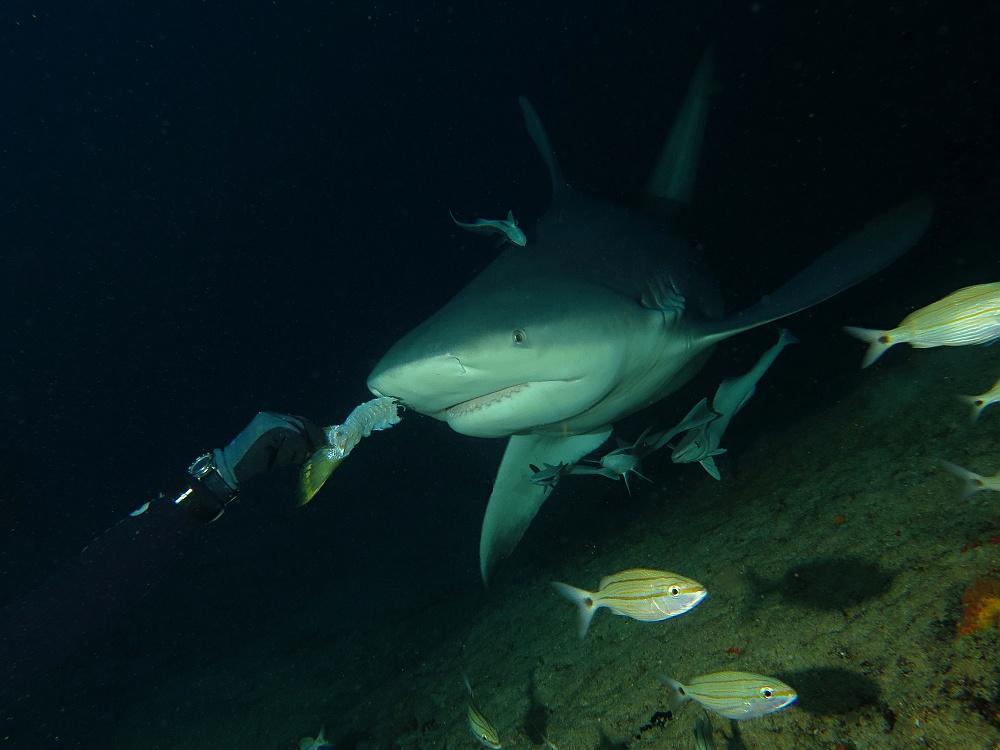 |
| It mostly preys on fish, tortoise, shellfish, mollusc, smaller shark and dolphin. Allegedly its attacks on birds, dogs, rats or even antelopes have been watched. It likes preying in shallow water with poor visibility. In Playa Santa Lucia we can see it close to the wreck of Nuevo Mortera in a safe depth of about 30m | 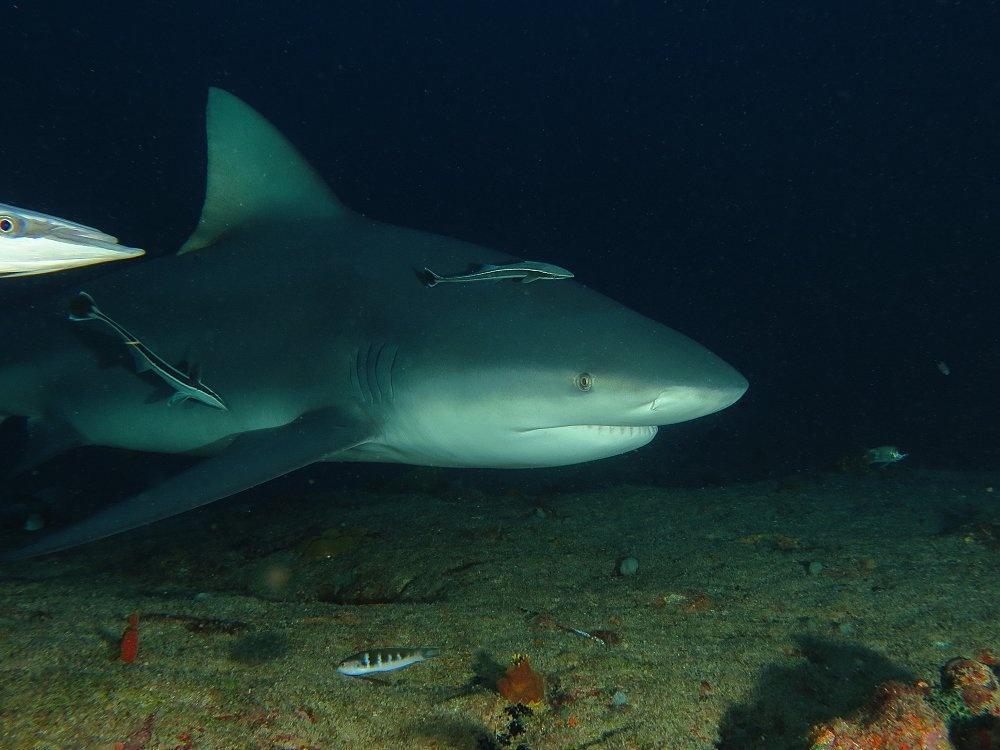 |
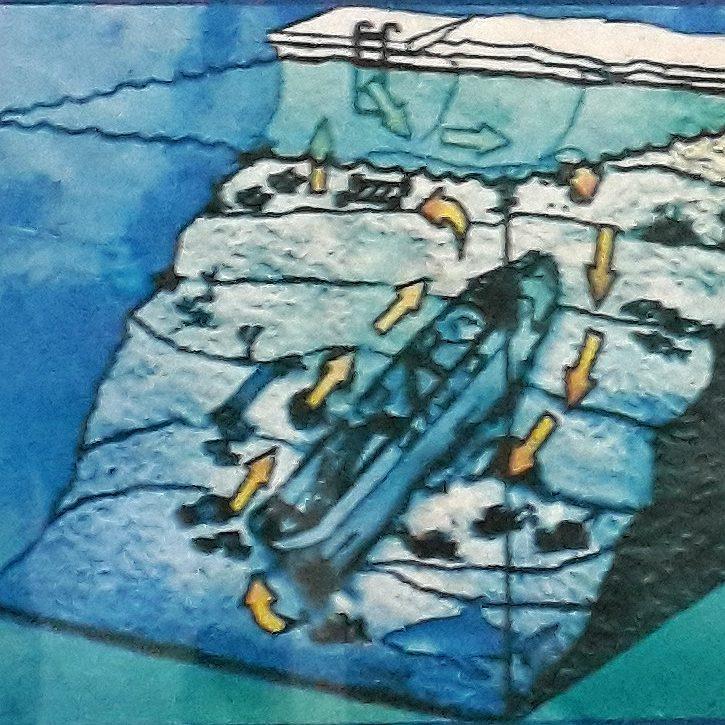 | Mortera was originally a small military steamer built in Havana in 1895. After it had been discarded from the military service, it was rebuilt into a cargo ship and renamed to Nuevo Mortera. In the evening hours on 27-07-1905, Nuevo Mortera crashed into the English cargo ship Pocklington before entering the navigation canal, and sank. | |
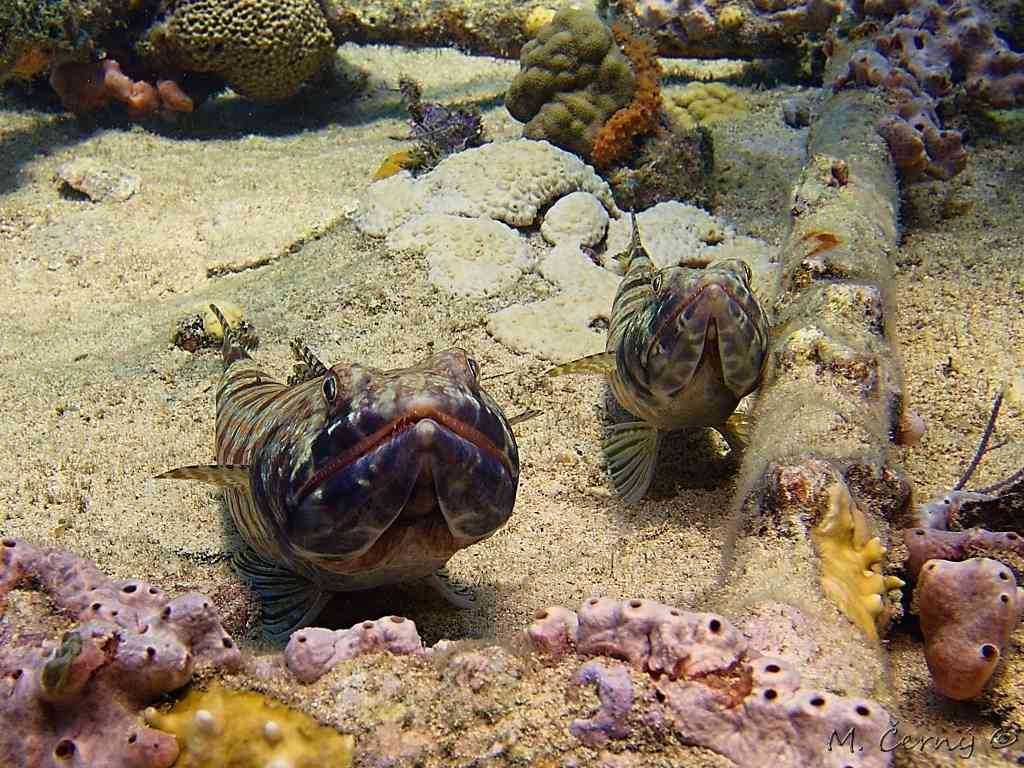 | Now the wreck of Nuevo Mortera (max. 30m depth) serves as not only a meeting point with bull shark but mainly as home of creatures living in the depth. Besides various species of fish, you can see there for instance green moray. They are beautiful but don’t stroke or touch them : a few years ago when cuddling with moray, a Czech diver lost two finger segments. | 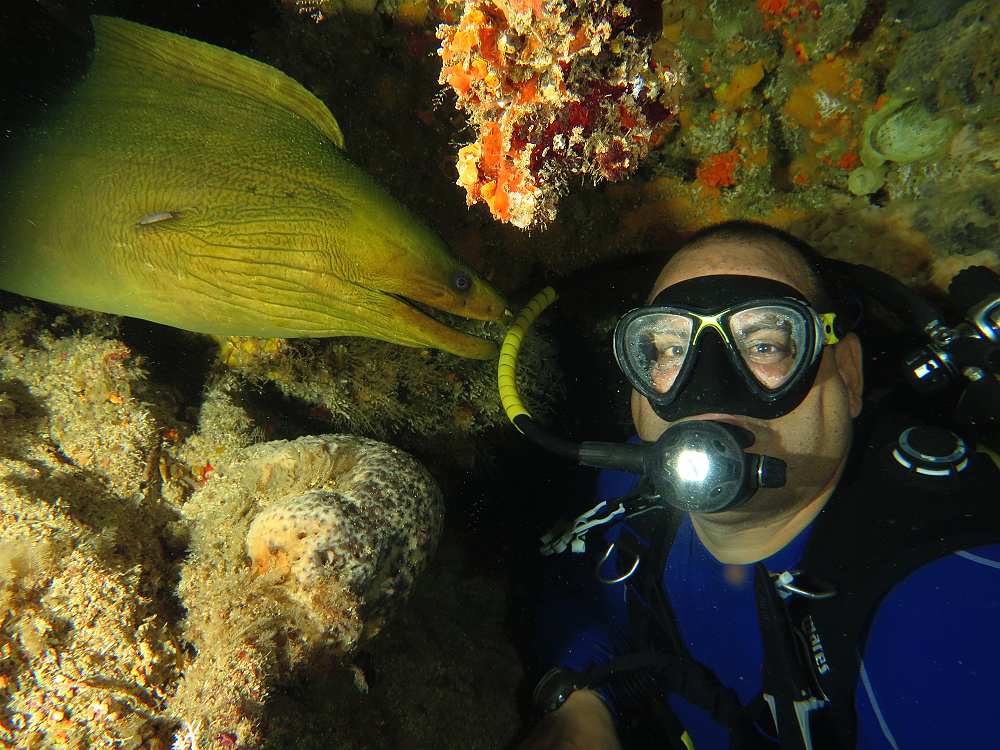 |
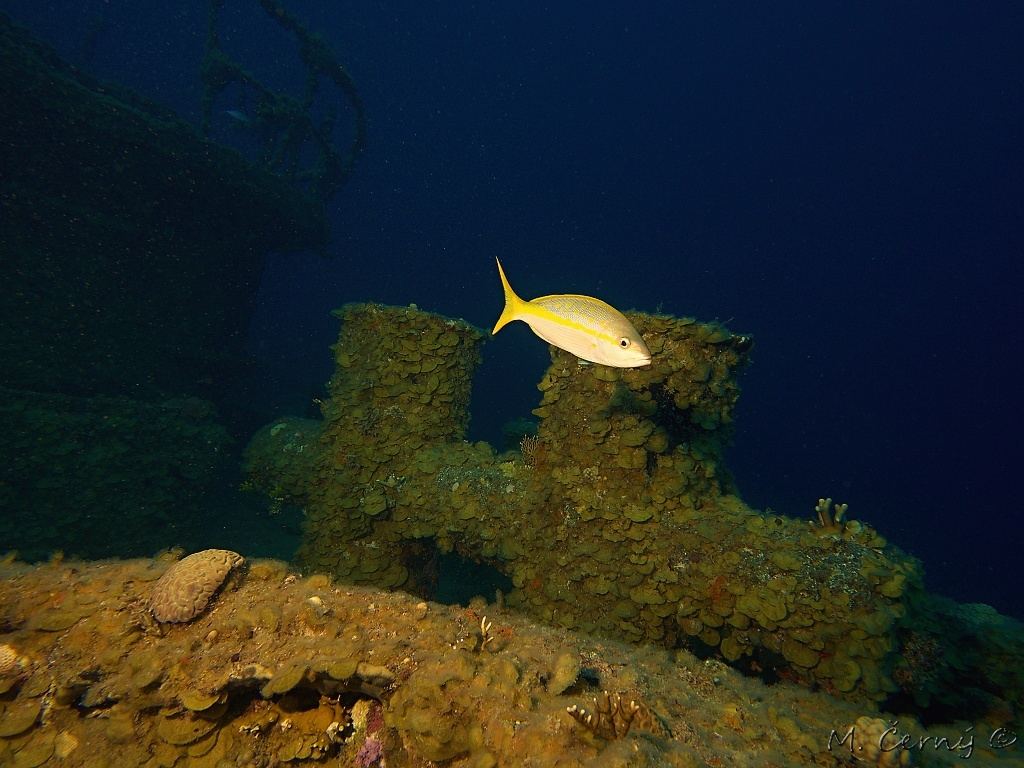 | Besides the wreck of Nuevo Mortera, there are, in the water of the Atlantic near Playa Santa Lucia, a lot of others, e.g. Nuestra Seňora de Alta Gracia, Sabinal, and Pizzaro. | 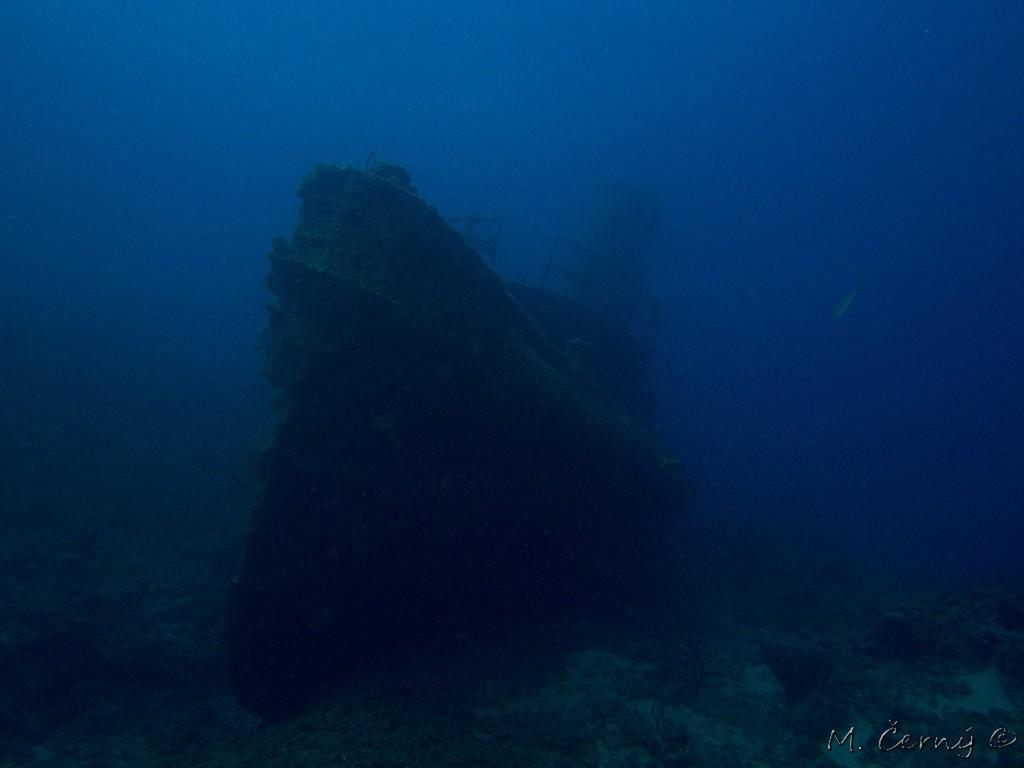 |
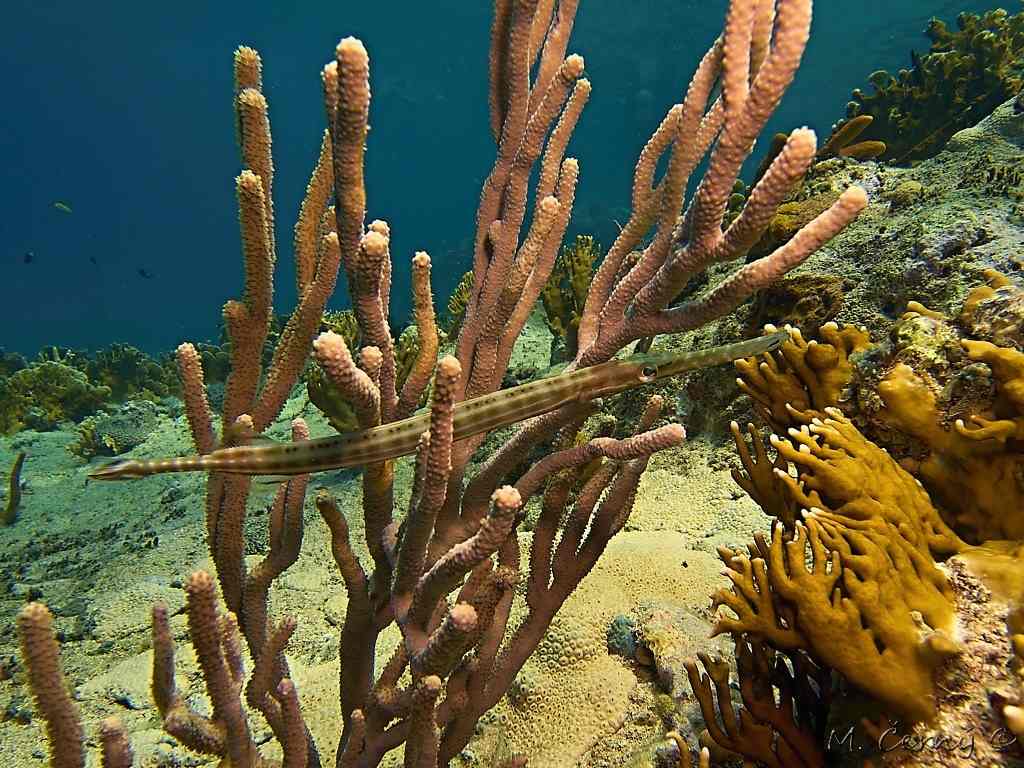
| All those wrecks are homes of plenty of fish; there we can see schools of snapper, long- spine porcupinefish, angelfish, trunkfish and other creatures of the Atlantic depths. | 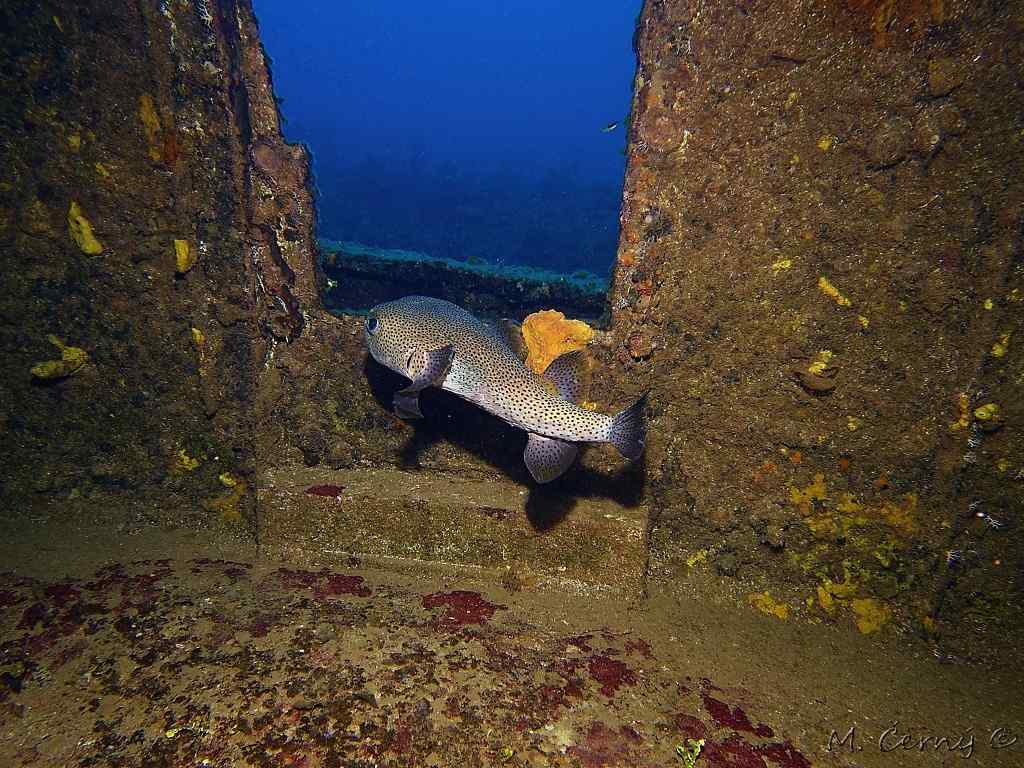 |
 | The base for your diving holiday in Playa Santa Lucia will be situated at one of the local all-inclusive hotels. | 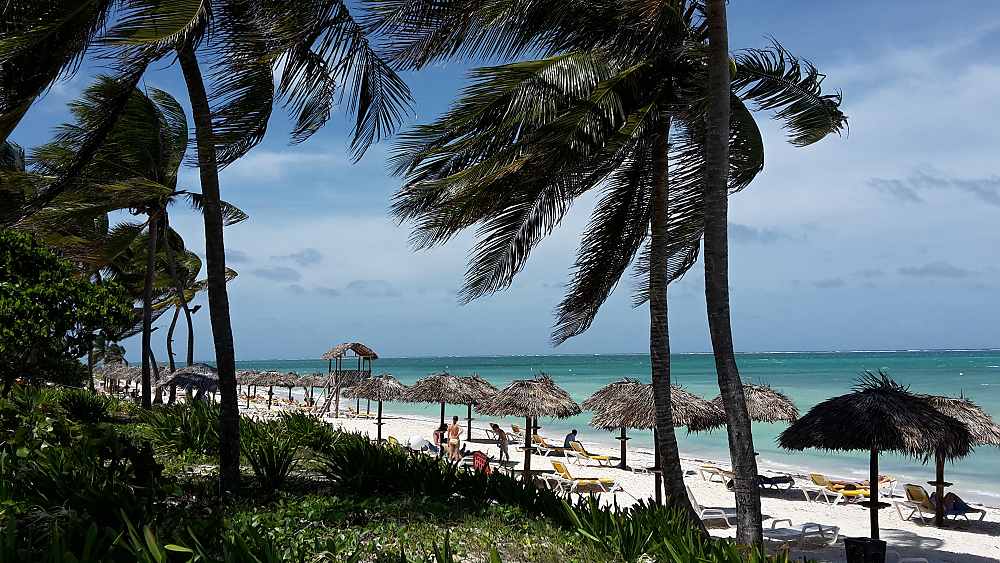 |
 | The hotels in Playa Santa Lucia, even though they are relatively cheap, remainfor the present in the period of an unprecedented inflow of tourists resulting from the "US OPEN" process - surprisingly not fully occupied. | 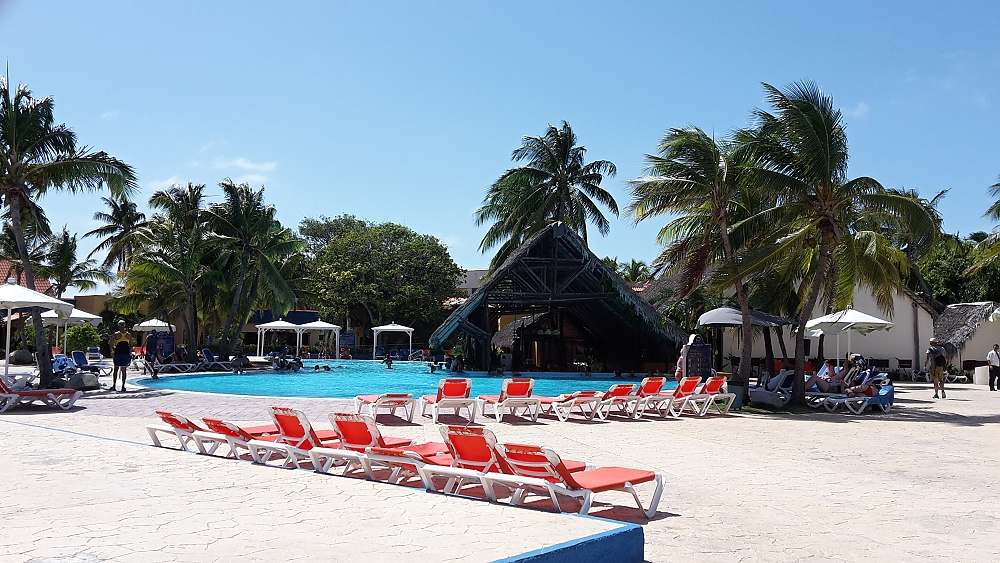 |
Playa Santa Lucia is a very interesting diving destination, suitable particularly for divers who prefer the comfort of an all-inclusive hotel to the accommodation on a ship. With its 20km of white beaches and several nice hotels it is even predetermined for wonderful family holidays with diving. Besides the interesting wrecks, you can see - if you are a bit lucky - one of the most interesting shark - bull shark. However, it is necessary to take into consideration that it is a possibility, in no case a guarantee, of seeing this interesting creature. If somebody insisted on a 100% guarantee of diving with shark, they would have to go to Jardines de la Reina...
Guided trips :
The price from 1,370 euro includes two nights at a hotel in Havana with breakfast, transfer from Havana, 7 days of accommodation in a double room in Playa Santa Lucia with a full board, 10 dives, and transfer back to Havana (the prices are in force from 01-01-2017 until further notice, min. 9 divers).
For individual travellers (without guide)
On-line BOOKING DIVING PLAYA SANTA LUCIA (10 dives = 264 EURO) BOOK YOUR HOTEL (from 43 EURO p.p.) : Club Amigo Mayanabo, Roc Santa Lucia, Brisas Santa Lucia
MEXICKÉ CENOTY na poloostrově YUCATAN
Pokud by někoho napadla pošetilost zkusit sepsat sedm potápěčských divů světa, je jisté, že by na prvních místech takového seznamu figurovaly mexické cenoty. Zatímco kdysi dávno výraz cenot (v mayském jazyce "D'zonot") znamenal "studna", dnes se tímto slovem označují vstupy do zdejších jeskynních systémů, kterými je Yucatán doslova prošpikován. Uvádí se, že doposud zde bylo zmapováno okolo 180 km jeskynních chodeb s více než stovkou cenotů. Kliknutím na mapu získáte detail.
| Nejznámější cenoty a jeskynní systémy se nacházejí jižně od Cancúnu, podél pobřeží Mayské riviéry (RIVIERA MAYA). Jejich vznik započal na konci křídy (cca před 65 milióny let), kdy byla oblast dnešního Yucatánu okrajovou (šelfovou) částí moře, v němž se usazovaly zbytky vápnitých schránek živočichů a úlomky korálů z nedalekých pobřežních riffů. V době ledové na začátku čtvrtohor (před necelými dvěma milióny let) pak došlo k tomu, že velká část vodstva byla navázána na ledovce, v důsledku čehož poklesla hladina moře a oblast Yucatánu se tak ocitla na souši. Do pórezního a měkkého vápence se "zahryzla" dešťová voda a nastartovala zde procesy krasového zvětrávání. | 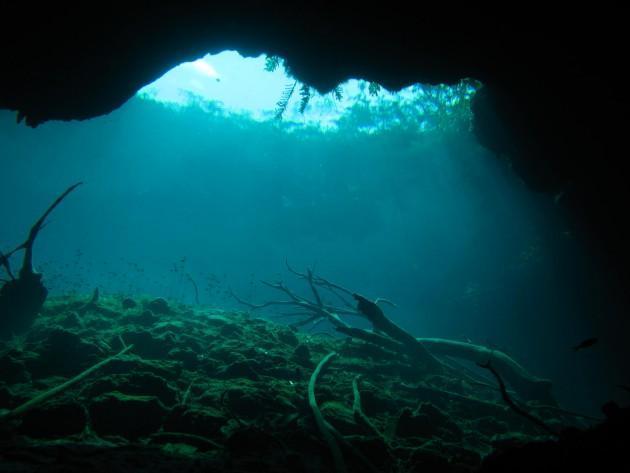 | |
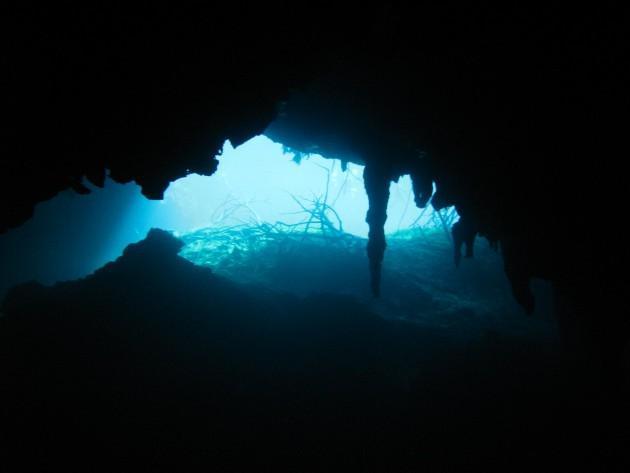 | YUCATANPostupně zde vznikly systémy podzemních sladkovodních proudů, které si ve velké většině časem prorazily cestu až k moři a vytvořily současné jeskynní propletence. Po oteplení a roztání pevninských ledovců mořská hladina opět stoupla, čímž došlo k opětovnému zatopení jeskynních komplexů do té podoby, v jaké je známe dnes. | 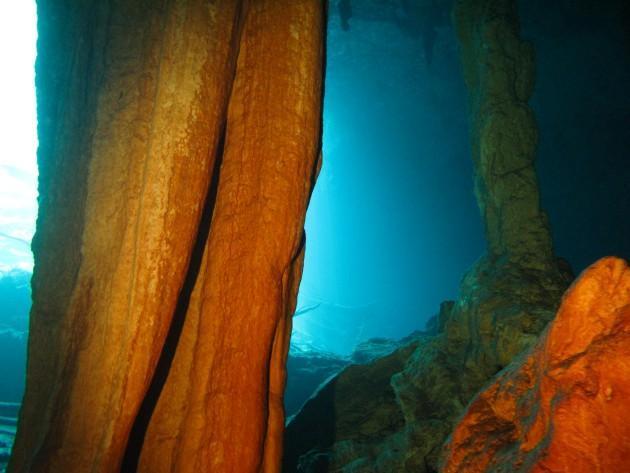 |
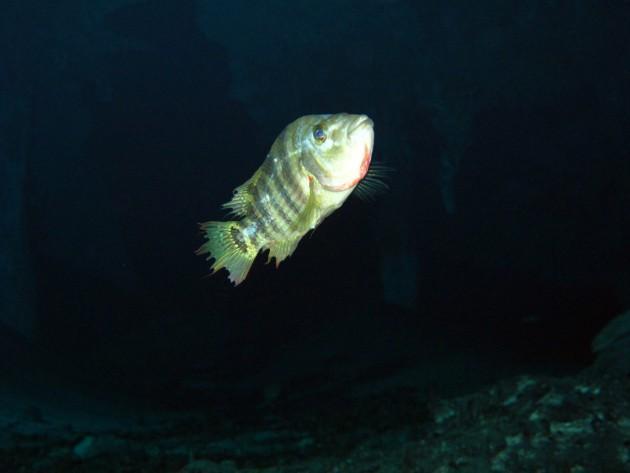
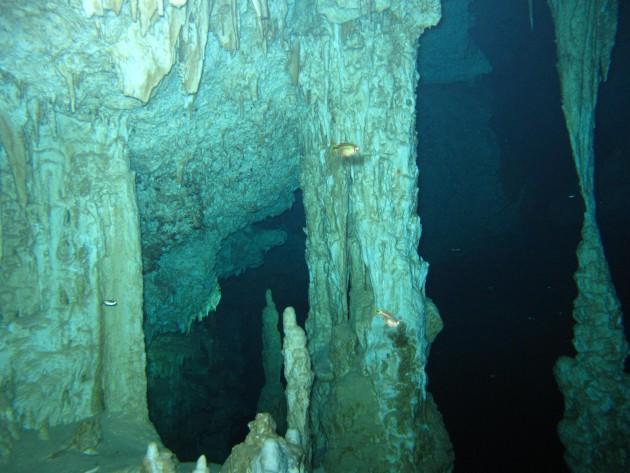 | Propojení většiny cenotů s nedalekým mořem umožnilo vznik zdejšího velmi populárního fenoménu - ostrého rozhraní mezi sladkou vodou nahoře a slanou dole, tzv. halokliny. Proplouváte-li haloklinou, máte pocit že se před Vámi tetelí horký letní vzduch nad rozpáleným asfaltem. Další místní zajímavostí je, že ve zdejších jeskynních systémech žije překvapivě velké množství drobných ryb. | 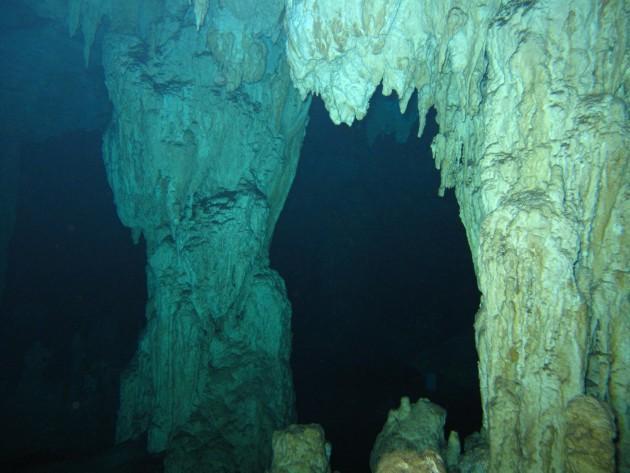 |
 | Hloubka ponorů většinou nepřesahuje 15m, teplota vody se pohybuje v rozmezí 24°C (sladká voda u hladiny) a 26°C (slaná voda při dně je teplejší). Když k tomu všemu přidáme famózní viditelnost, a bohatou krasovou výzdobu, není divu, že Yucatán patří k nejoblíbenějším světovým lokacím rekreačních jeskynních potápěčů. | 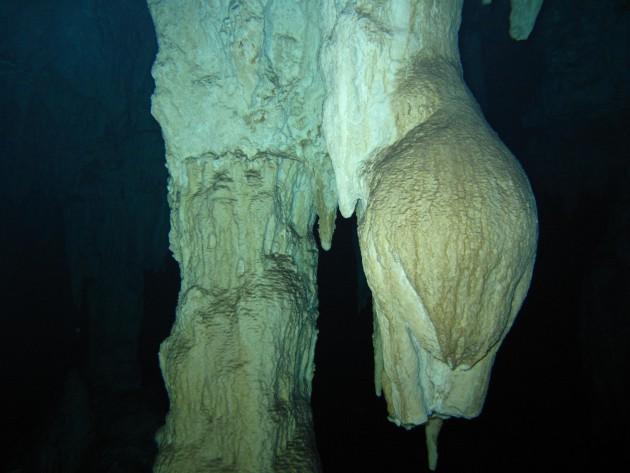 |
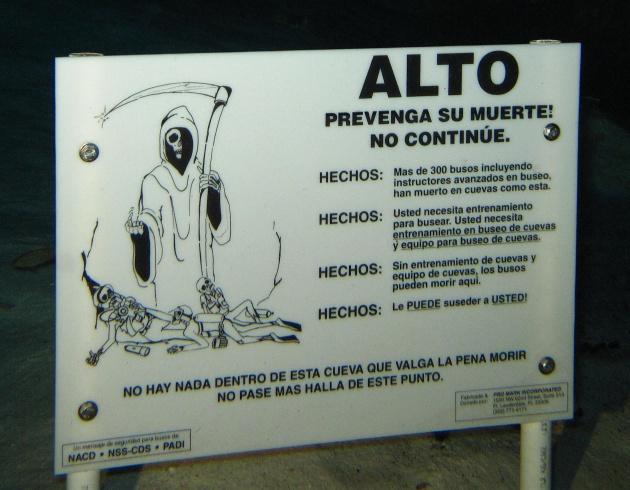 | Z důvodu bezpečnosti je nutné si na ponory v cenotech vždy najmout místního certifikovaného průvodce, potápěčská skupina se pak skládá z tohoto průvodce a maximálně čtyřech klientů. Podle náročnosti se ponory dělí na méně náročné cavern dives,které zvládne každý zkušenější potápěč (i bez speciálního jeskynního výcviku) a na náročnější cave dives. Hranice mezi cavern (cenotes) a cave zónami (systemas) jsou vyznačeny nepřehlédnutelnými tabulemi a pokud nemáte jeskyňářskou kvalifikaci a výstroj, za tyto značky nesmíte. | 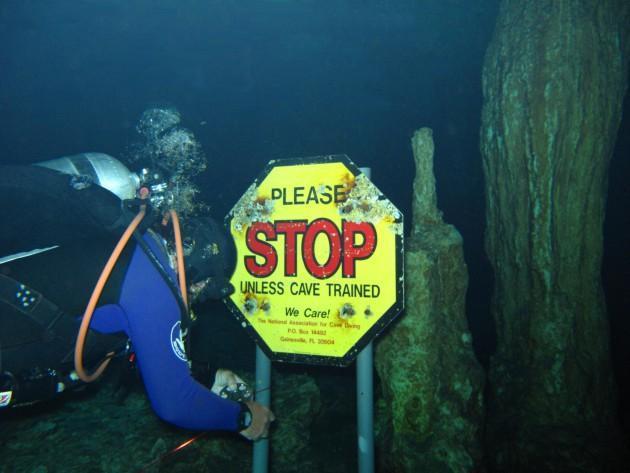 |
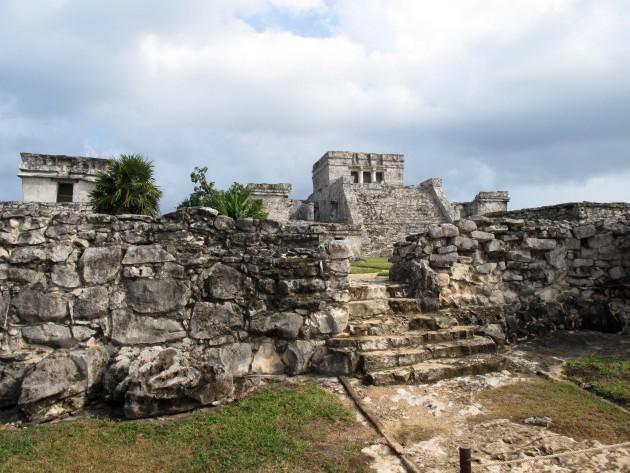 | Obvykle se dělají dva ponory denně, zpravidla vždy z jednoho cenotu (různými směry) tak, že se oba stihnou během dopoledne. Odpoledne pak dle svého uvážení můžete věnovat rodině, lenošení na pláži (Mayská riviéra je moc pěkná), nebo se vydat po stopách Mayské civilizace. Můžete navštívit třeba mayský komplex v nedalekém Tulumu, pyramidy v Cobá, nebo se vydat do trošku (200km) vzdálenější Chichen Itzá... YUCATAN | 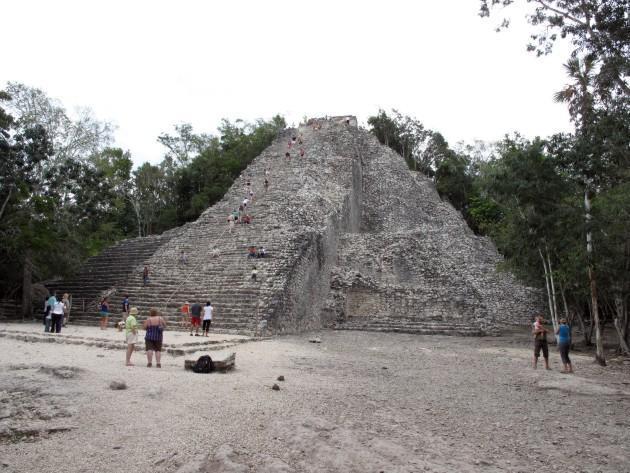 |
| Zvláštní nabídka ke stažení ZDE ! |  | Zvláštní nabídka ke stažení ZDE ! |
Maria la Gorda
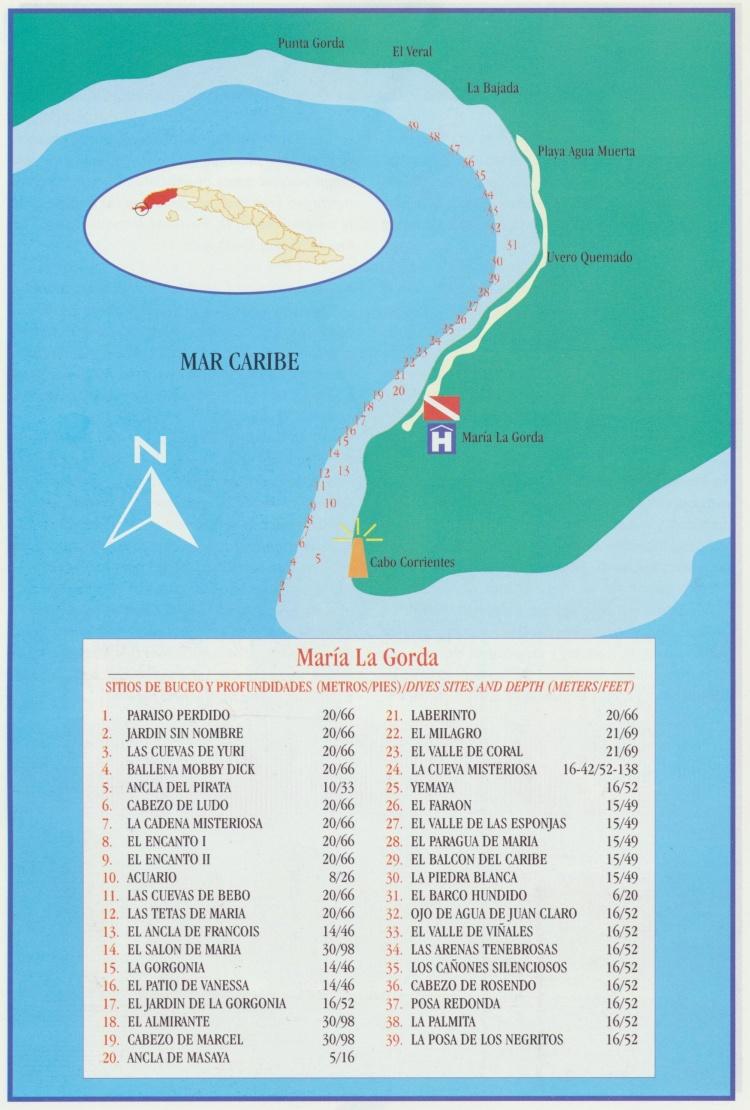
It is a legendary diving destination located in the real west of Cuba, about 300km away from Havana, in the Bahía de Corrientes Bay (Pinar del Rio Province). According to the ancient legend, once there was Caribbean pirates’ base, and pretty Maria was their host and attendant - she cooked, served drinks, treated slashes got in fighting, consoled the gloomy... As she allegedly was a bit fat, she was called Fat Mary - Maria la Gorda. When she died, she was buried by pirates under the tallest palm in the bay - and as proof of gratitude they put a magnificent pirate treasure in the grave with her body. Although there were a lot of attempts, the treasure hasn’t yet been found. Who knows - it may wait for you...
And even if you haven’t found the pirate treasure, it isn’t necessary to feel desperate - the Guanahacabibes Peninsula itself is one of the greatest natural treasures in Cuba. The whole area of over 50 000ha is part of the national park with the same name which was in 1987 designated as a UNESCO world biosphere reserve. The coral world below the water surface and intact countryside around the coast are one (after Jardines de la Reina and Cayo Largo) of the most beautiful areas you can see in Cuba.
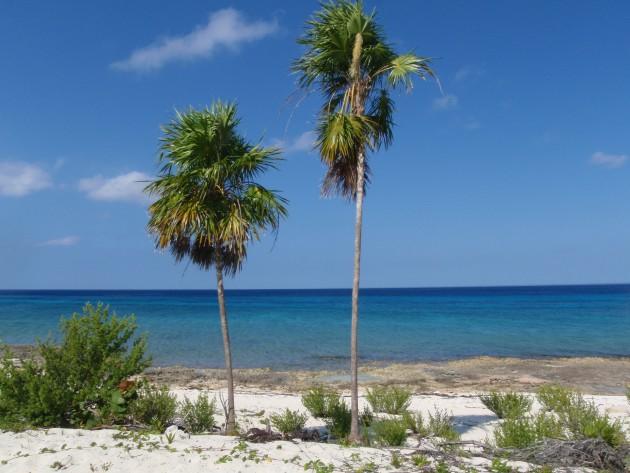
 | A small diving resort called Maria la Gorda is not one of pompous luxury tourist centres but in spite of this - or rather because of this - it is a popular oasis of peace and quiet in the uninhabited and intact countryside. |  |
 | Maria la GordaA small diving resort called Maria la Gorda is located directly on one of the local beaches. It contains 38 bungalows, two restaurants, reception and diving base. The double rooms are equipped modestly but cleanly and sufficiently. Each room has its own sanitary facilities, TV, air-conditioning, minibar and safe box. | 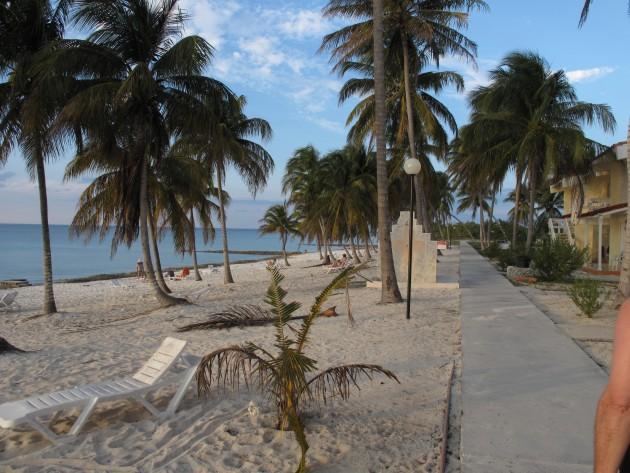 |
| Breakfast and dinner are served in the restaurant on the beach as buffet. Besides the beach restaurant, there is bar-restaurant "la carta" for guests. It is not possible to pay with cards there; and as no ATM is available far and wide, we recommend bringing a sufficient amount of cash for the holiday in Maria la Gorda. " | 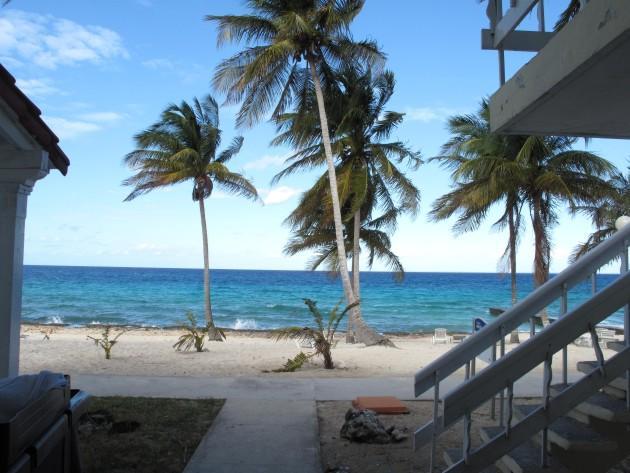 |
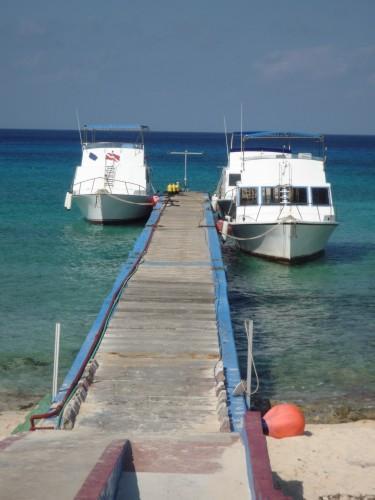 | The diving base is relatively well equipped compared with the local situation. Dives are usually organized three times a day, by ship, directly from the base pier. The schedule of dives is quite simple - it is okay to sign on at the dive centre one day in advance. A majority of more than fifty localities are reachable up to twenty-minute cruise.. |  |
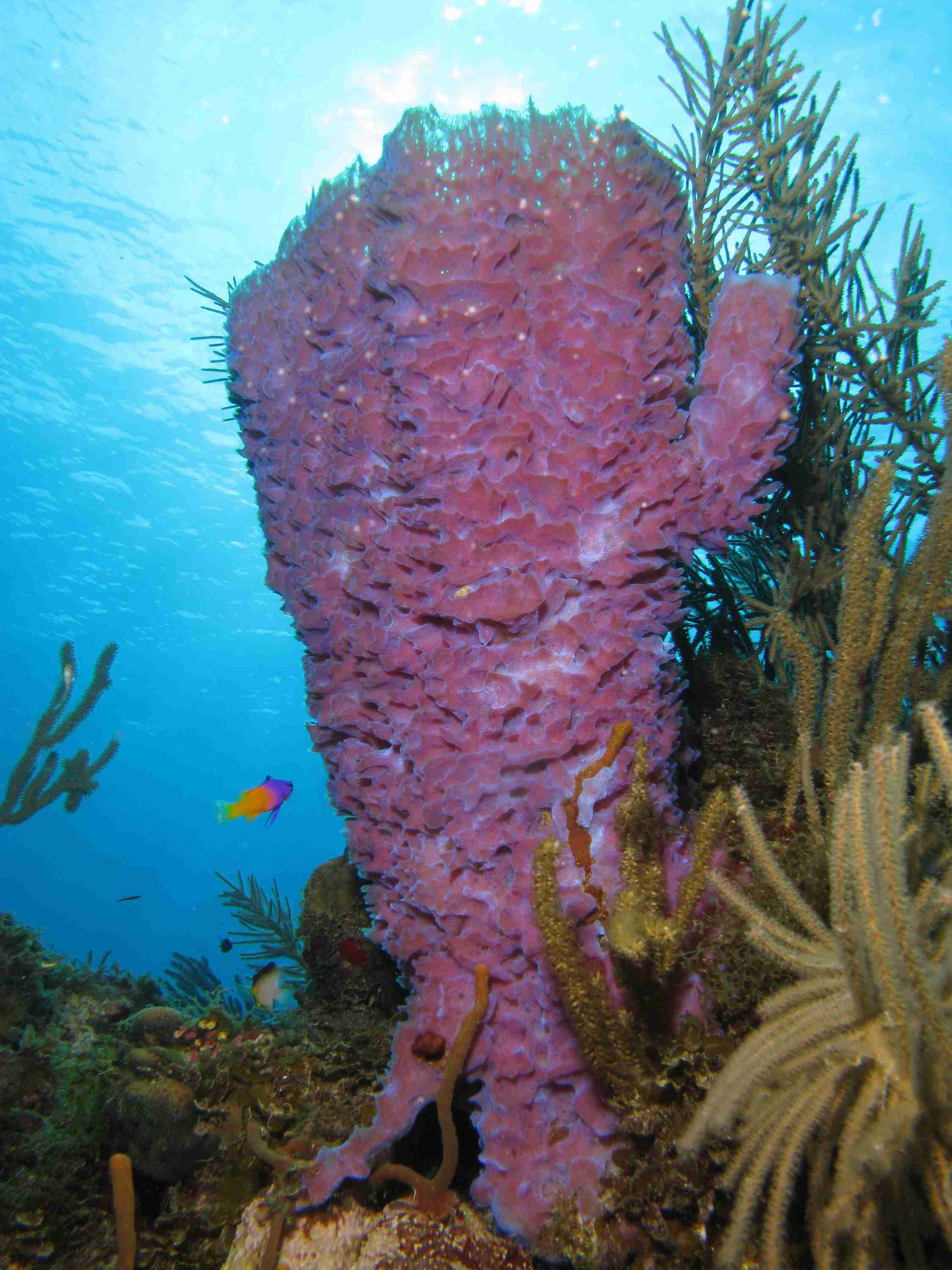 | The coral reefs in the area of Maria la Gorda - Ensenada de Corrientes - are one the most protected biotopes in Cuba. From the depth of 5m you can watch individual reef formations with rich fauna containing more than twenty coral species (particularly gorgonian) and plenty of tiny and medium coral fish; it is often possible to watch lobsters, crabs and green morays in rocky holes. | 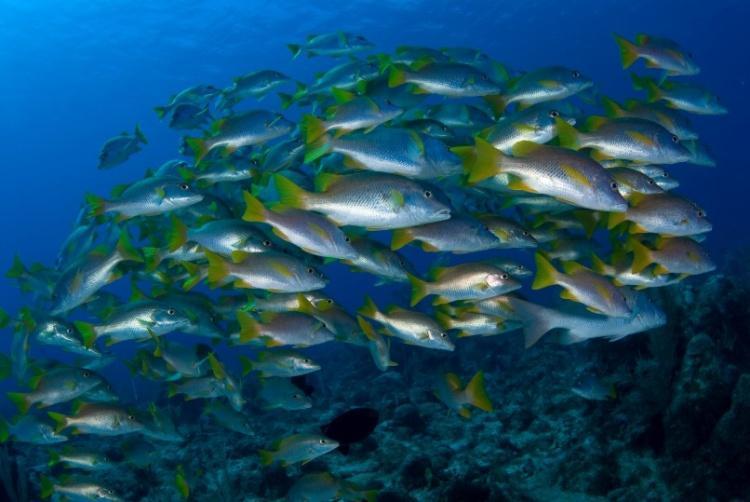 |
 |
With an increasing depth, the individual coral blocks form chains creating peculiar formations - walls and mountain ranges with channels, tunnels and canals. Maria la Gorda | 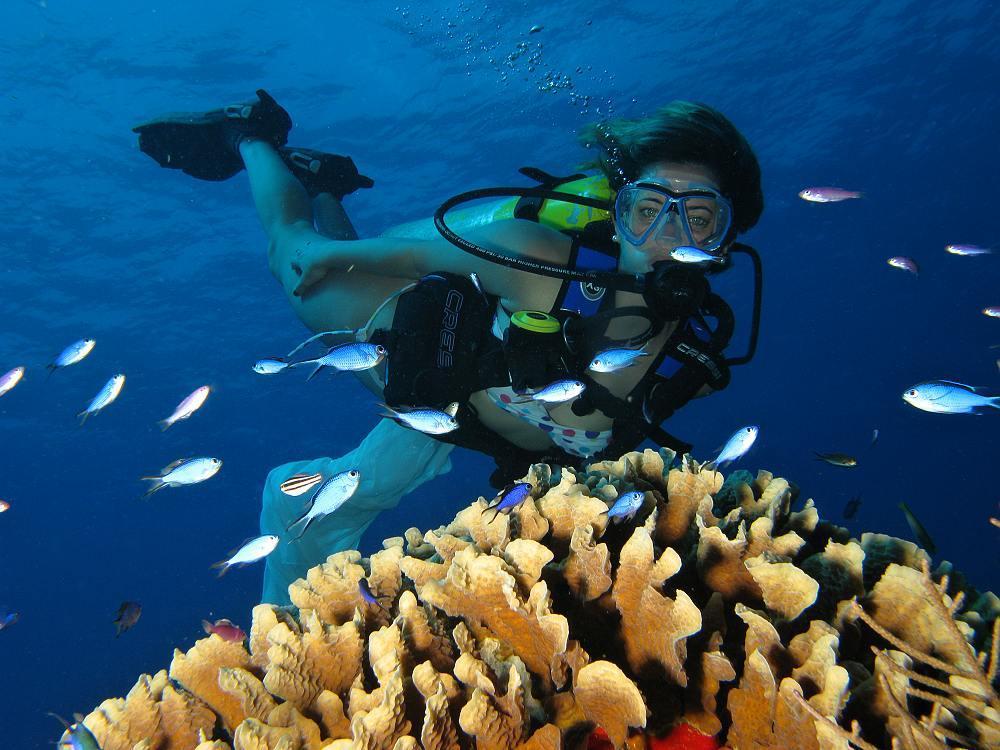 |
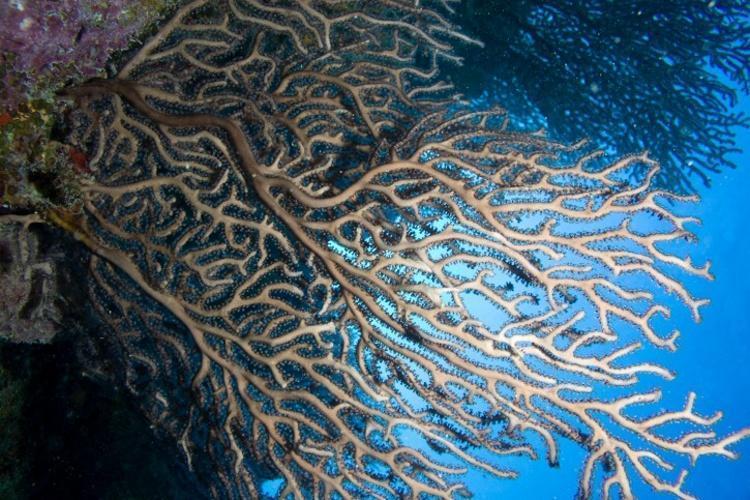 | The local coral walls are richly decorated with structures very attractive for divers - canyons, holes and vertical caves in which you can watch wonderful colonies of black coral, large pillow or pipe sponge, and up to 2m-long gorgonian. |  |
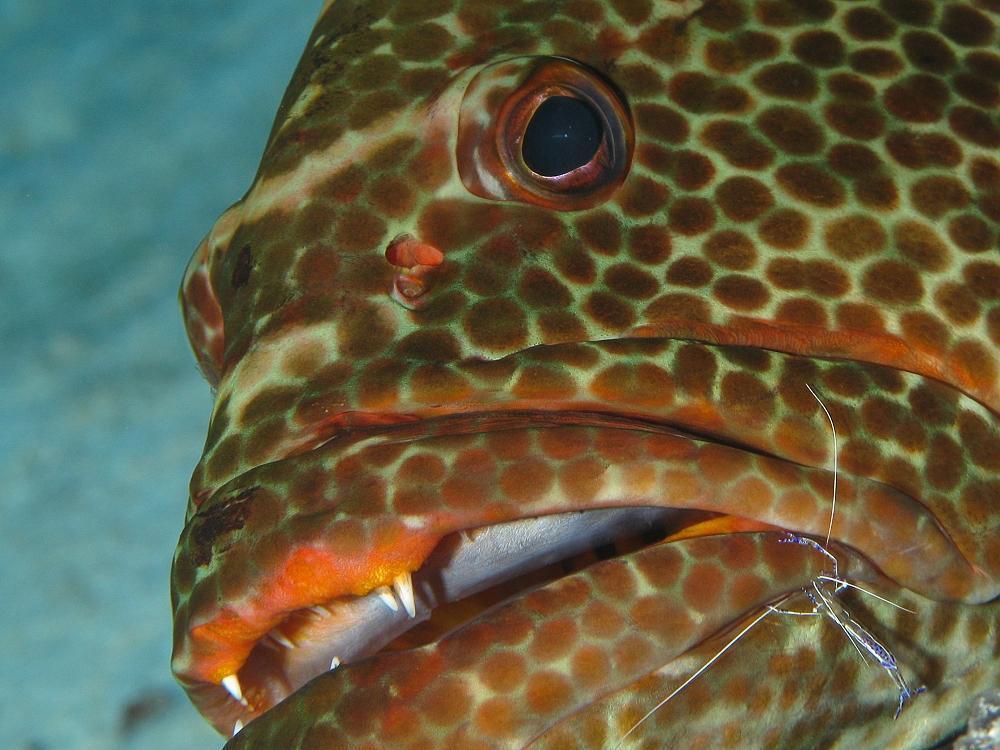 |
As regards the fish swimming around the walls, we often see barracuda, various species of horse mackerel, snapper, grouper and ray. The number of shark is considerably lower there compared with that in Jardines de la Reina, but you can also see there nurse shark... and occasionally - when being lucky - whale shark. Photo gallery of Maria la Gorda | 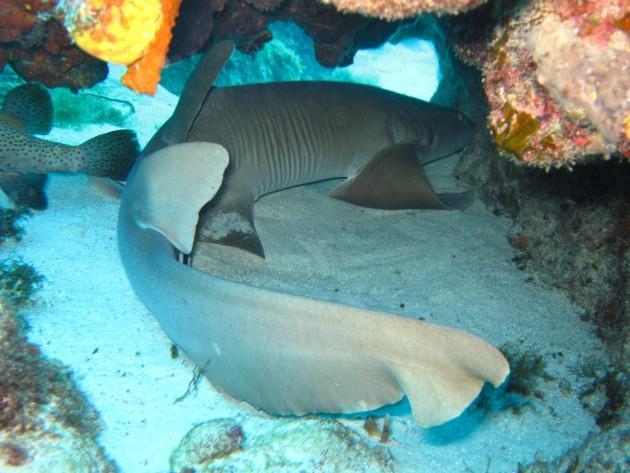 |
Maria la Gorda is a classic Cuban locality, proved by years and years of diving. Through its position away from civilization - the sea on one side and jungle on the other side - it provides a chance of romantic holidays full of diving experiences. In view of the fact that, except for diving and relaxing on the beach, there is de facto "nothing to do", the destination is not very suitable for divers with non-diver family members.
Guided trips :
The price from 1,150 euro includes two nights at a hotel in Havana with breakfast, transfer from Havana, 7 days of accommodation in a double room in the Maria la Gorda resort with a half board, 10 dives, and transfer back to Havana (the prices are in force from 01-01-2017 until further notice, min. 9 divers).
For individual travellers (without guide) :
On-line BOOKING DIVING MARIA la GORDA (10 dives=260 EURO) BOOK YOUR HOTEL (from 42 EURO p.p.)
CAYO LARGO
Once Caribbean pirates’ base, now a place for wonderful diving holidays in the heart of the Caribbean
The tiny island Cayo Largo is situated in the Canarreos Archipelago, approximately 50 miles south of the Cuban coast. Once it served as Caribbean pirates’ base; from the 1980s it was also a symbol of a luxury exotic holiday in the Caribbean. In November 2001 it was heavily affected by Hurricane Michelle, and it was recovering from the disaster for a very long time and with big difficulty: two hotels were not restored at all, the others only after ten years with foreign investors’ participation. Now it is an ideal place for lovers of diving, fishing and other sea activities who like the base of high-quality all-inclusive hotel resorts. In fact, it is very difficult to imagine anything better for a family diving holiday.
The diving localities are situated in three areas: the first very close to the island (south and south-west of it), the second near Cayo Rosario (28km west of Cayo Largo), and third - probably the most beautiful - in the area Golfo de Gazones between the small islands Cayo Sigua and Cayo Blanco (48km on the north).
 | The first diving area is situated very close to the island (south and south-west of it), and its characteristics include barrier-type reefs and coral ridges and tunnels which often change to sand slopes in a depth about 18m. In some areas, the coral formations create real undersea mountain ranges and walls falling to a depth of about 50m and even more. | 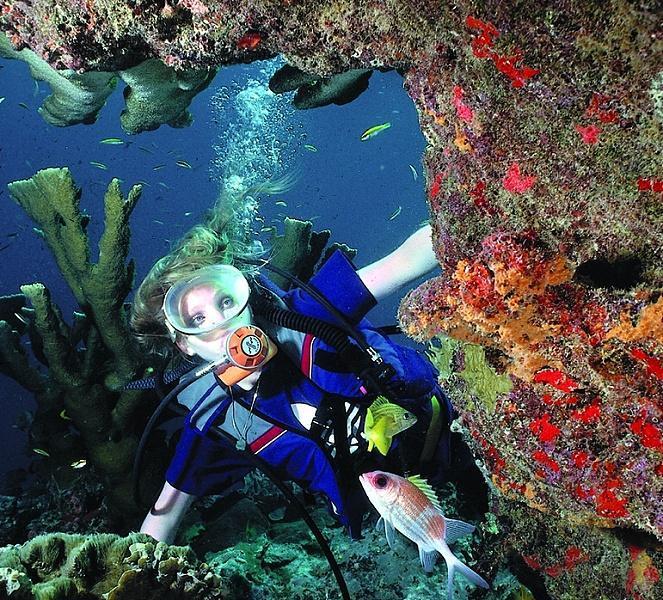 | ||
| Cayo LargoCoral reef fish are represented there by schools of grunt and snapper 15-90cm long, surgeonfish, damselfish and many others. It is also possible to see there tortoise, tarpon, ray and eagle ray (see the picture). | 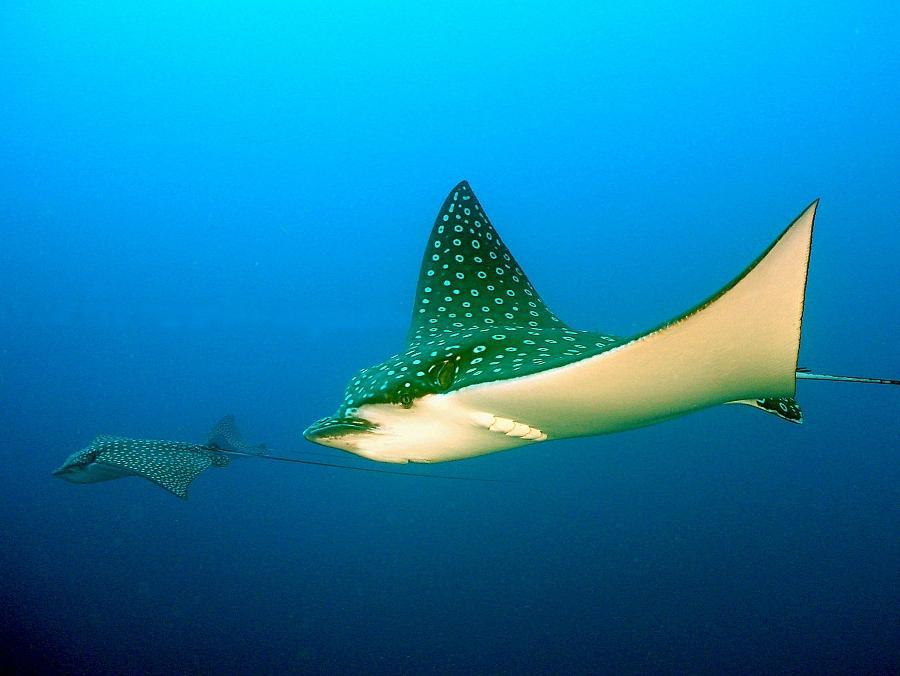 | ||
 | In coral hides there are plenty of rock lobster, various species of moray (attention, some of them are aggressive!), on sand areas of the bottom you can find colonies of queen conch (Strombus giga) - attention, it is an internationally protected fish, don’t take it (the possibility of really big difficulties in custom clearance, unexpectedly we got in trouble in the Prague Airport!!!). | 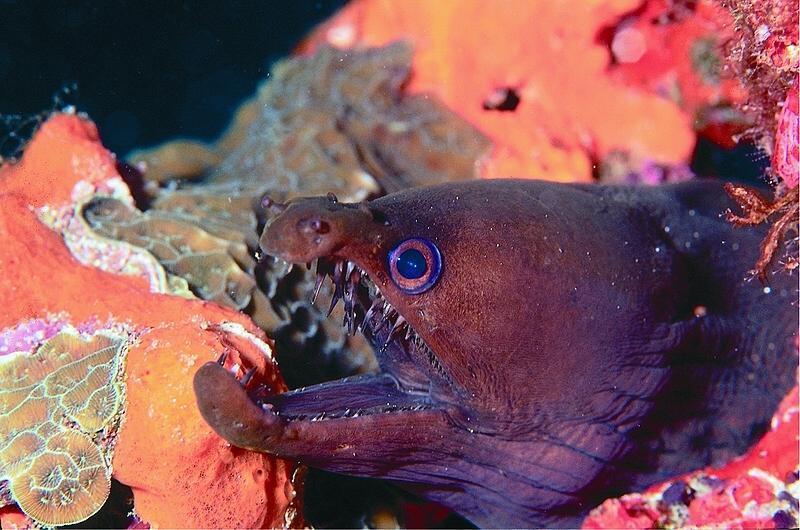 | ||
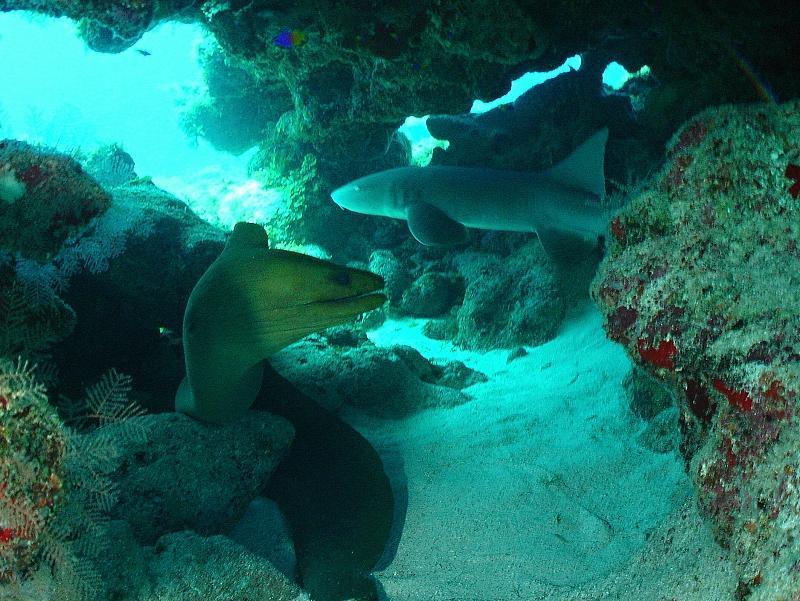 | The second diving area is situated very close to Cayo Rosario, 29km west of Cayo Largo. The bottom relief is very interesting there; it creates real coral labyrinths in which you can find large black grouper, snapper, schools of horse mackerel, spadefish and often also nurse shark. | 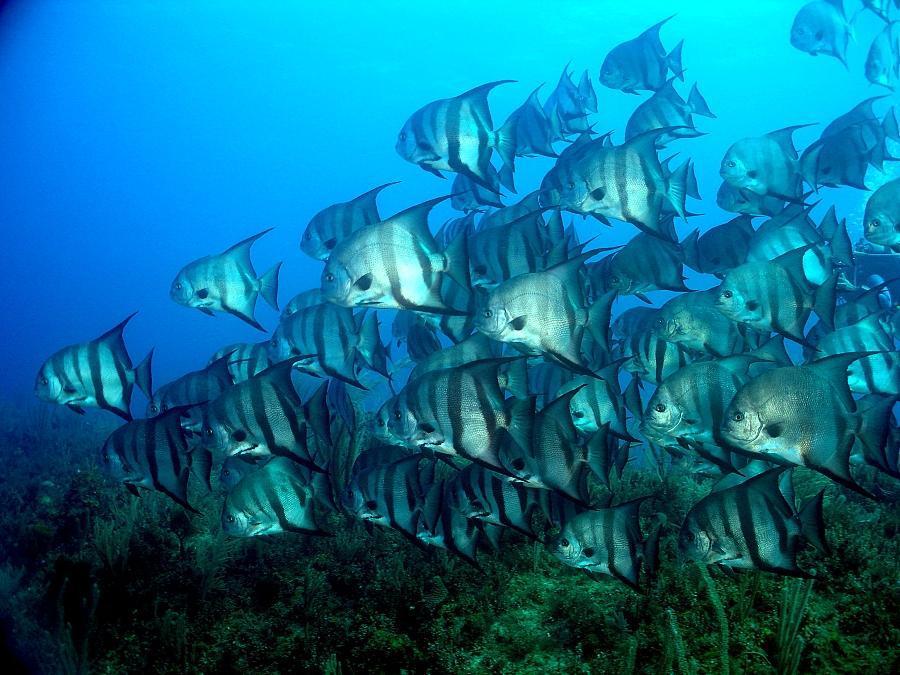 | ||
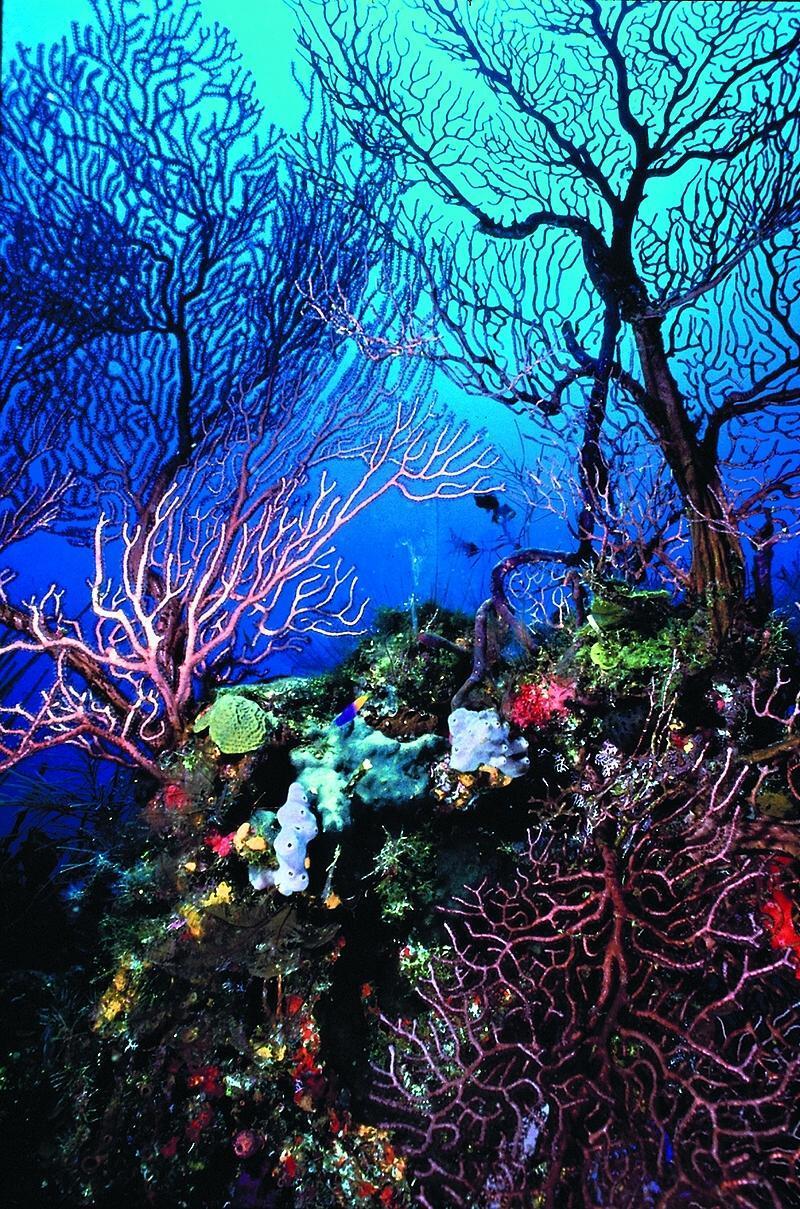 | The third diving area is situated in Golfo de Gazones, 48km north-east of Cayo Largo, between the small islands Cayo Sigua and Cayos Blancos. Practically all localities contain beautiful walls falling from 15m (reef top) to a depth of 200m and more. The walls are covered with large sponge, big gorgonian and often also black coral. | | ||
| Besides classic coral communities, it is possible to see there large pelagic fish - tarpon and tuna fish; if we are lucky, we can see Caribbean reef shark, hammerhead shark and whale shark. Cayo Sigua and Cayo Blanco are less than one meter above the water surface so it is not possible to hide anywhere when the sea is stormy. That is why a trip to these localities is only possible when the weather is excellent. | 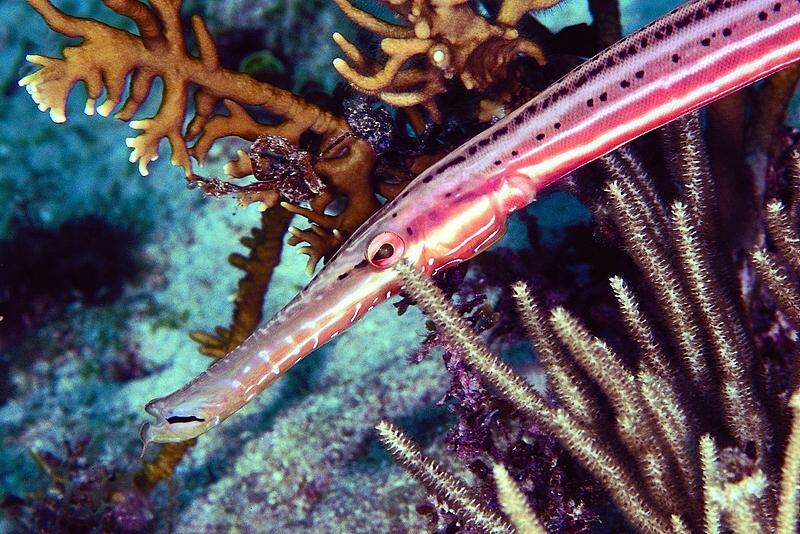 | ||
Cayo Largo offers a fabulous combination of diving and relaxation on the local well-known beaches (Playa Sirena, Playa Paraiso, Playa Blanca, and Los Cocos & Tortuga) where you can enjoy surfing on waves, windsurfing, gliding, beach volleyball or small football. | 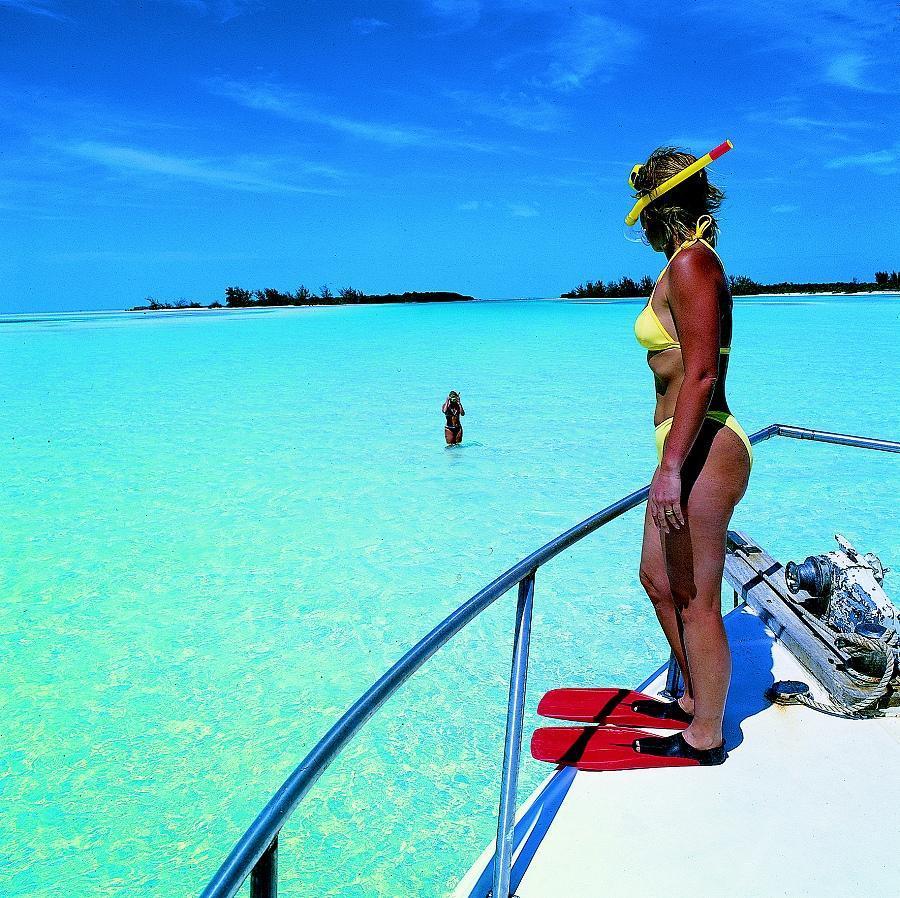 | |||
It is always possible to moisten a dry throat with cooled beer or some of the classic Cuban drinks... | It is always possible to moisten a dry throat with cooled beer or some of the classic Cuban drinks... | |||
| PHOTOGALLERY CAYO LARGO UW | PHOTOGALLERY CAYO LARGO |
Nowadays Cayo Largo with its wounderful beaches and hotels is the place for a fabulous family diving holiday (with childrens) in the heart of the Caribbean.
On-line BOOKING DIVING CAYO LARGO (10 dives = 381 EURO) BOOK YOUR HOTEL from 52 EURO p.p.
